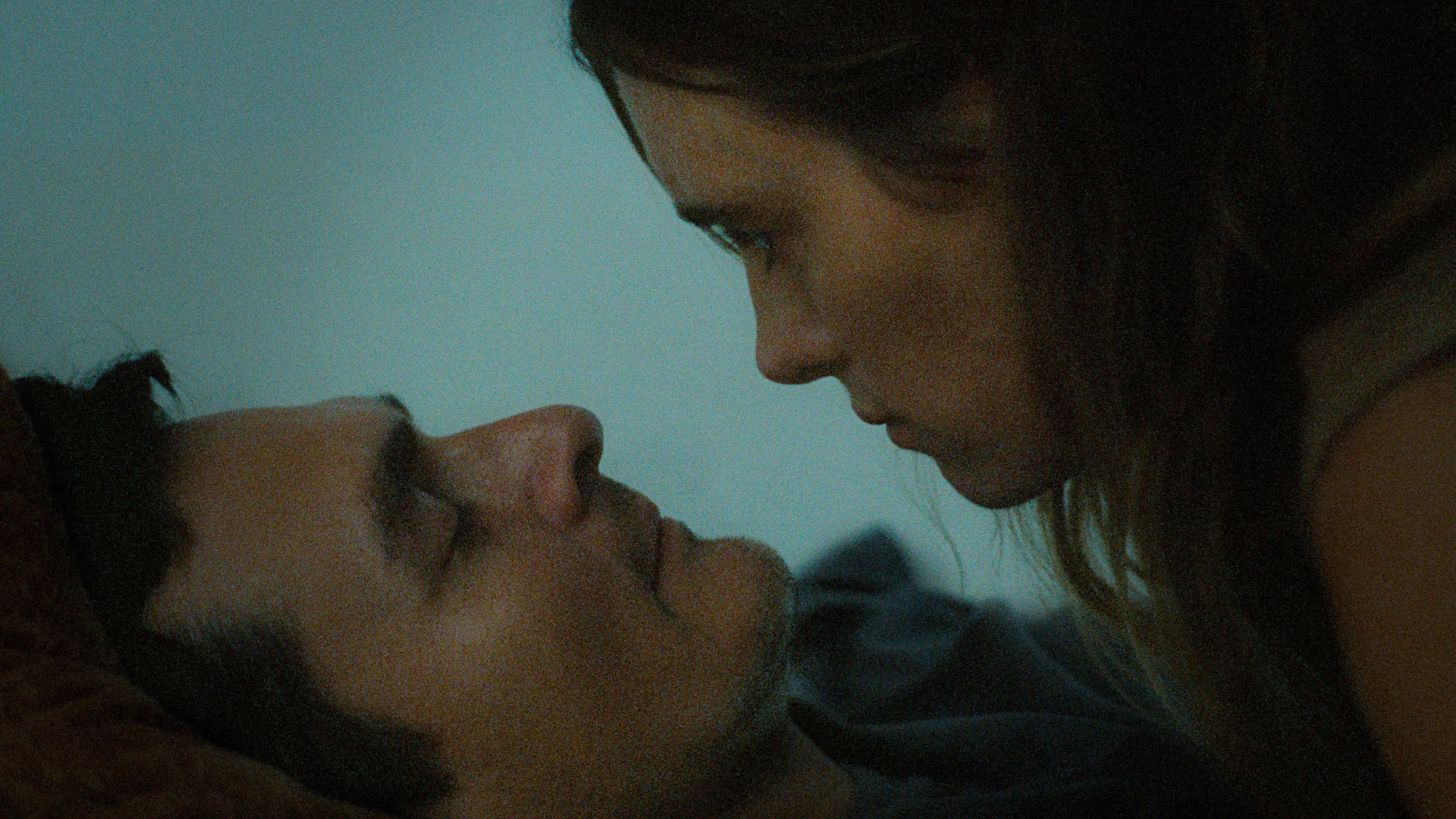
A trio of international features took center stage at the London Film Festival this week as their filmmakers sat down for an informal tea session, trading notes on adaptation, memory and the strange mechanics of getting a personal vision to the screen. The conversation brought together the teams behind "My Notes on Mars," "Moonglow" and "The Secret Lives of Baba Segi's Wives," three projects that share little in subject matter but plenty in ambition.
The event formed part of the festival's longstanding tradition of pairing screenings with candid, unscripted exchanges, and the format suited the material. Rather than rehearsed promotional patter, the discussion drifted toward process: how source material gets reshaped, how actors find their way into difficult roles, and how a film's tone can shift once editing begins.
Adapting Inner Lives for the Screen
Two of the three films began life on the page, and the filmmakers were frank about the friction that comes with translation. The team behind "My Notes on Mars" described the project as an attempt to capture something interior - a narrator's private reckoning - without flattening it into conventional plot. The challenge, they suggested, lies in trusting the audience to sit with ambiguity rather than resolving every question.
"Moonglow" raised a parallel set of questions, with its makers discussing how memory rearranges fact and how a film can honor that instability instead of fighting it. The filmmakers spoke about the temptation to over-explain and the discipline required to let scenes breathe. In their view, the most revealing moments often arrive in silence, and the edit room becomes the place where a story's true shape emerges.
"The Secret Lives of Baba Segi's Wives" brought its own adaptation pressures, drawn from a beloved novel with a devoted readership. The filmmakers acknowledged the weight of expectation that comes with such material and described the balancing act of preserving the novel's spirit while making choices that only cinema can make. Casting, they noted, was the hinge on which the entire project turned; the ensemble had to feel like a genuine household rather than a collection of separate performances.
Production Realities and the Long Road to Release
Talk turned to the unglamorous side of filmmaking. Each of the three productions faced its own logistical hurdles, and the directors were unusually willing to discuss them - schedules reshuffled, locations lost, scenes rethought on the day. One recurring theme was the gap between the film imagined at the script stage and the film that finally exists, a gap the filmmakers described not as failure but as the nature of the medium.
The conversation also touched on collaboration, particularly the relationship between directors and editors. All three projects, the panelists agreed, were remade in post-production, and the final cuts owe as much to rhythm and restraint as to anything written in advance.
The tea session ended with questions from the audience, many of them from aspiring filmmakers eager to hear how these projects secured financing and survived development. The answers were pragmatic - relationships matter, patience matters, and a clear sense of what a film is about matters most of all.
All three titles remain part of the festival's current program.
Source: The Hollywood Reporter