
South Korean animation director Youm Kyu-bock has built a reputation on a simple conviction: children deserve stories that treat them as capable of handling real emotional weight. His latest feature, Long Long Night, arrives as a quiet rebuke to the assumption that young audiences need to be shielded from complexity, and it has made him one of the most discussed filmmakers working in animation today.
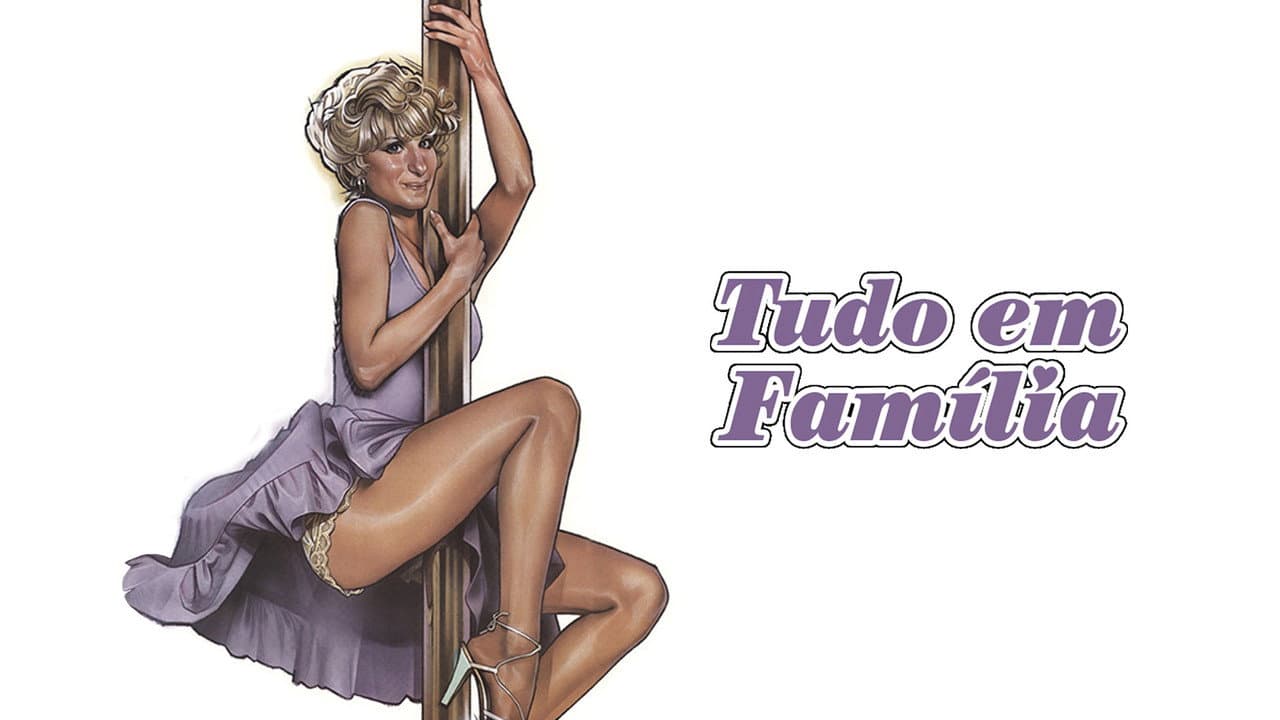
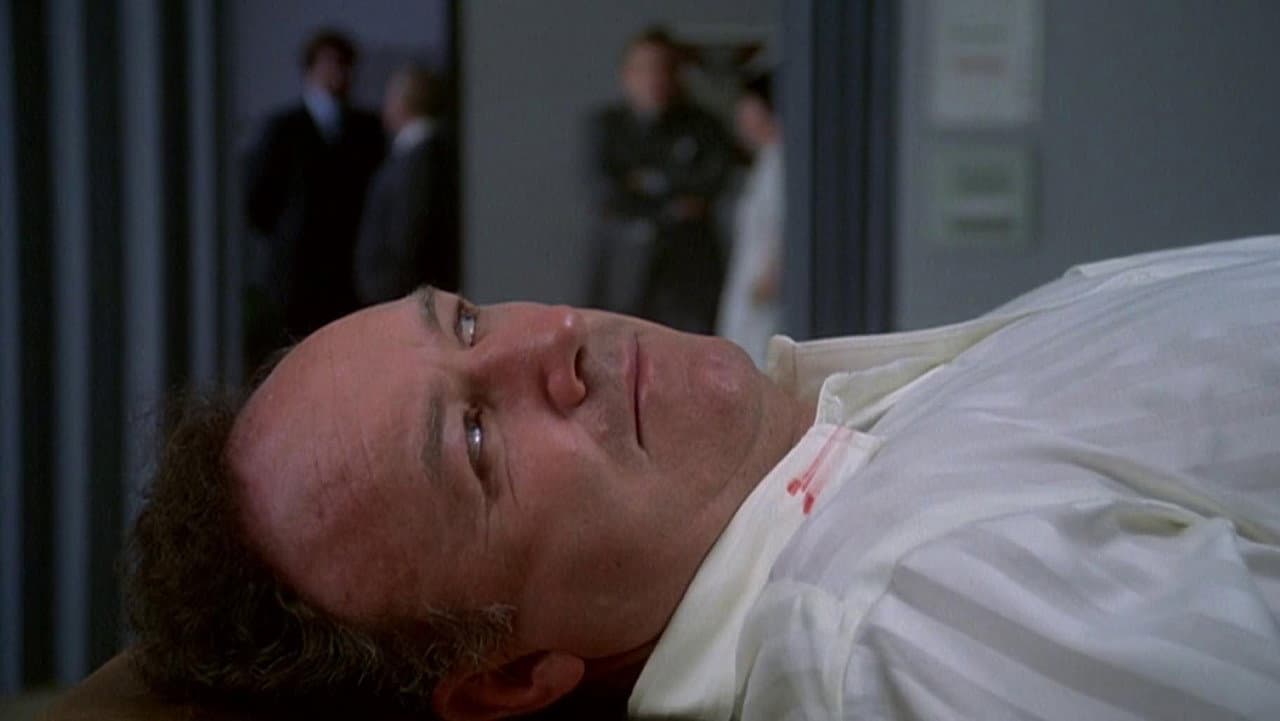
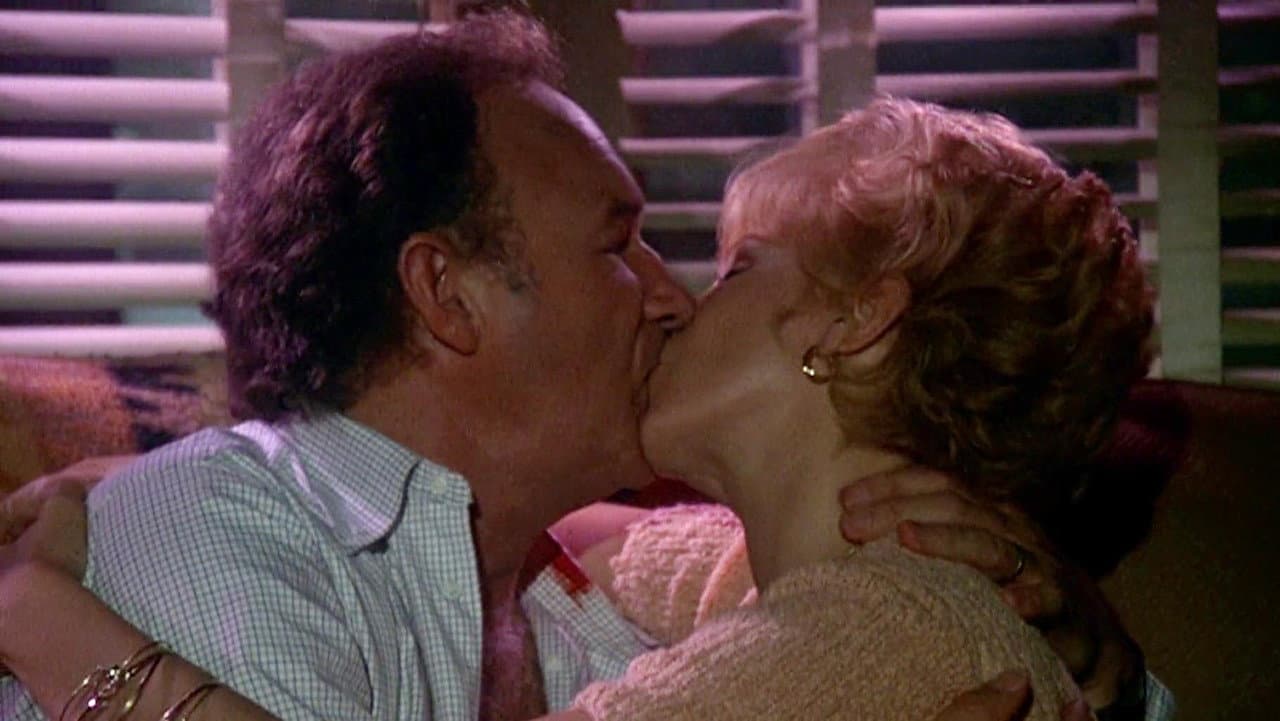
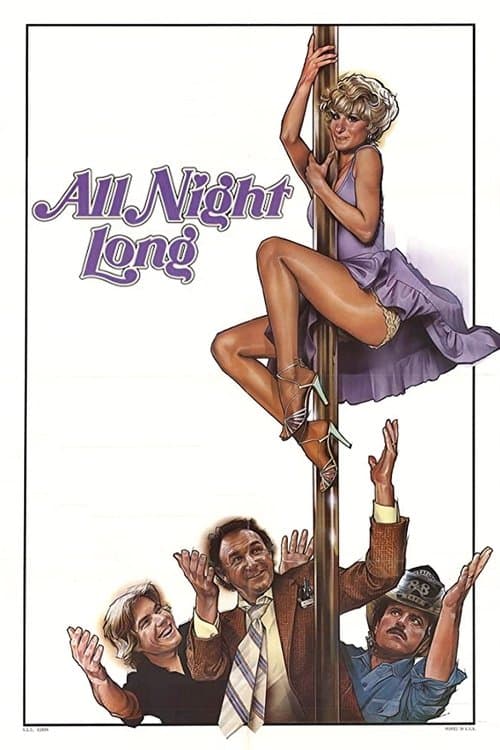
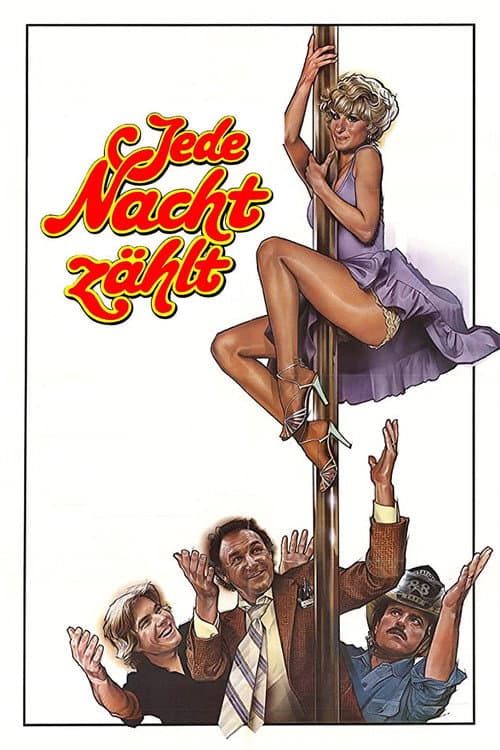
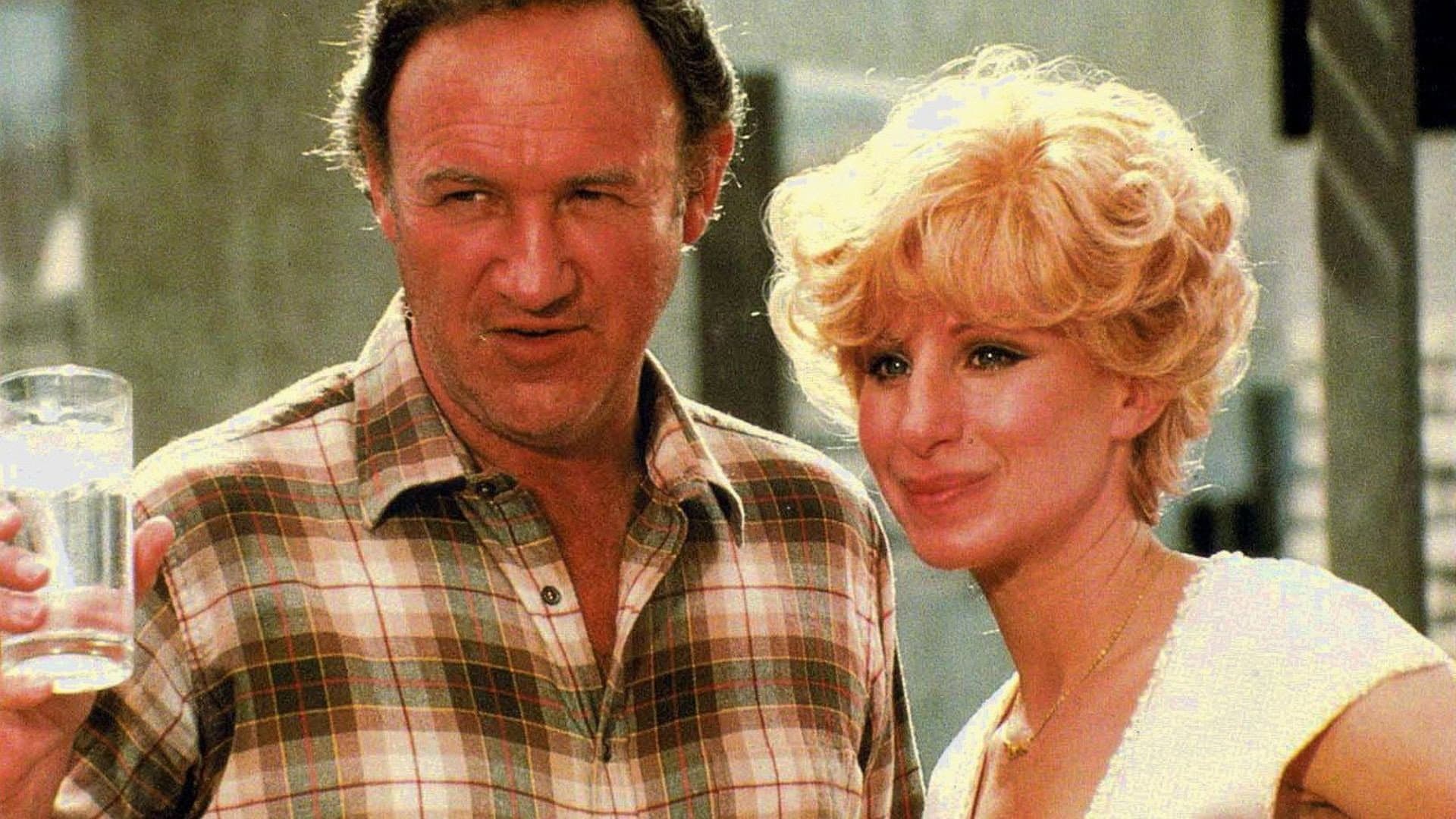
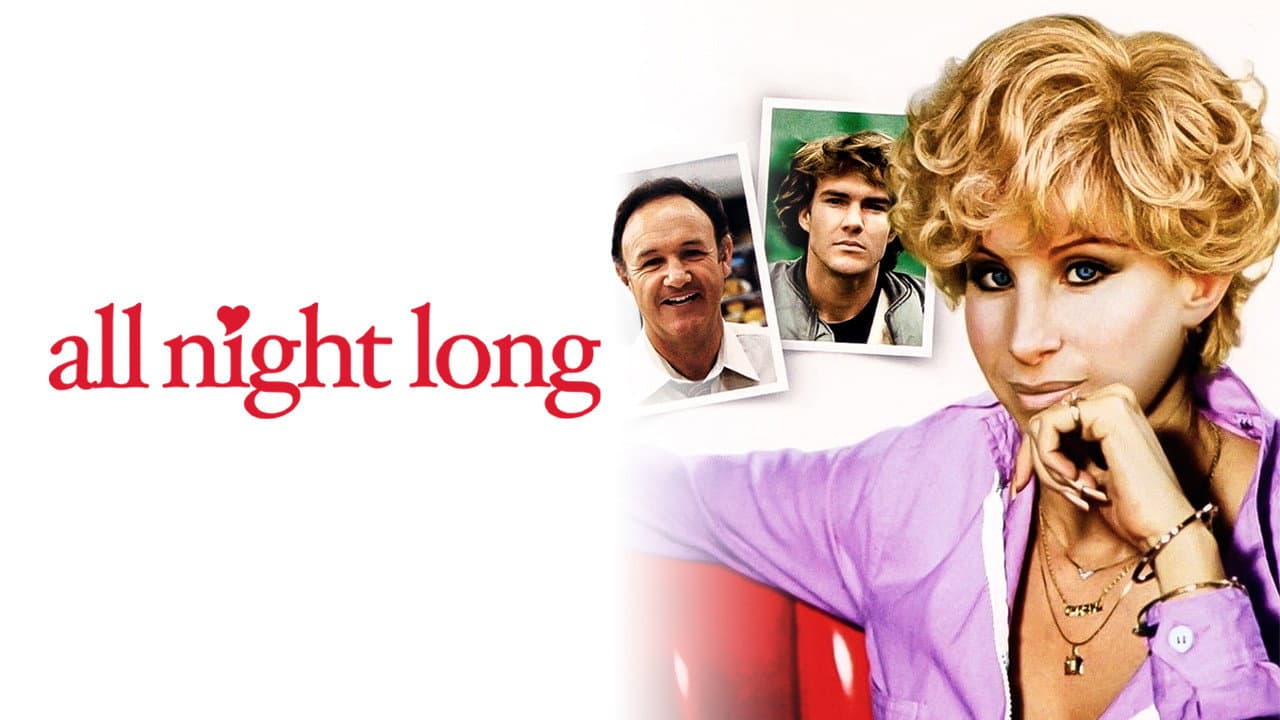
According to the film's official synopsis, Long Long Night follows executive George Dupler, who loses his temper and is demoted to the night manager's post at a 24-hour drugstore. When he advises his teenage son Freddie to break off an affair with suburban housewife Cheryl Gibbons - a distant cousin - Cheryl responds by trying to seduce George. The situation detonates at home: in front of his mother, Freddie accuses his father of stealing his girl, having found Cheryl serving George a meal in the middle of the night while her husband Bobby was on duty at the fire station. George then separates from his wife Helen, quits his job, moves into a warehouse, and asks Cheryl to move in with him. The film runs 87 minutes, blends comedy with romance, and lists a Hollywood production with an English-language original track, a theatrical release of March 6, 1981, and Jean-Claude Tramont as director. Its ensemble includes Gene Hackman, Barbra Streisand, Diane Ladd, Dennis Quaid, Kevin Dobson, William Daniels, Ann Doran, and James Nolan. TMDb users currently rate it 5.3 out of 10.
That is a lot of adult material - infidelity, family rupture, a midlife unraveling - for a film Youm insists was made with younger viewers squarely in mind. He argues that the standard practice of softening conflict for children produces work that talks down to them, and that the better route is to trust their instincts. "Children recognize honesty faster than adults do. They can tell when an emotion has been trimmed to fit them," Youm said, speaking in English during an interview about the project. He described the central discipline of the production as resisting the urge to explain feelings away or resolve them too neatly, letting silence and hesitation carry as much as dialogue.
Craft and Construction
Youm's method leans on restraint in performance and staging. Rather than filling every scene with movement, the film holds longer on faces and uses negative space to signal what a character will not say aloud. He said the approach grew from watching how young viewers respond to stillness - that a held shot, if it is honest, can do more than a busy sequence of gags. The comedy, he added, comes from behavior rather than punchlines: awkwardness, mistimed kindness, the small ways people betray themselves in moments of stress. The goal, in his telling, was to make the film's romantic complications feel like weather that characters must move through rather than puzzles the audience is asked to solve.
That philosophy extends to how the movie treats its adults. Youm said he was uninterested in villains and heroes, preferring people who make understandable mistakes and then live with the fallout. He noted that the story's most difficult turns - the confrontation in the family home, the separation that follows - were handled without melodrama because melodrama would have closed off the questions he wanted the audience to keep asking after the credits.
The project also reflects a broader shift in animation's ambitions. Youm acknowledged that animated features are often assumed to be either children's entertainment or adult art, with little room between. He sees that divide as a marketing convenience rather than a creative truth, and he placed Long Long Night deliberately in the gap, aiming for something a parent and a child could watch together and discuss afterward on equal footing.
Reception and Outlook
The film's TMDb rating of 5.3 suggests a divided audience response, and Youm said he is unsurprised by split reactions. Work that declines to flatter viewers tends to land unevenly, he argued, and he would rather have a film that some viewers argue about than one everyone politely forgets. He said the measure he cares about most is whether young viewers feel the story respected their attention - whether they leave with questions rather than instructions.
As for what comes next, Youm was noncommittal about specific titles but clear about direction. He wants to keep making animation that assumes children are capable of nuance, and he hopes the industry's growing appetite for serious animated storytelling will create room for more filmmakers to do the same. "If a child leaves the theater thinking about a character as a person rather than a lesson," he said, "then we did our job."
Source: The Hollywood Reporter