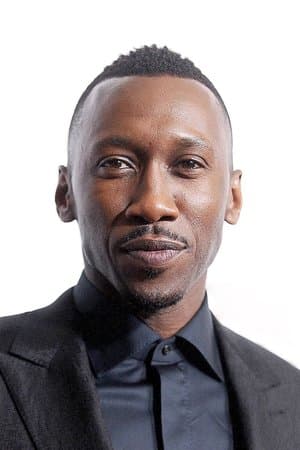
Mahershala Ali, a two-time Academy Award winner widely regarded as one of the most gifted actors of his generation, says the scarcity of substantial roles for Black performers remains a stubborn feature of the industry - one that even his own trophy case has not solved. In candid remarks, the actor acknowledged that despite his Oscar wins, the "vast majority of projects" simply do not contain parts written for someone like him.
"There Are Not Roles for Me"
Ali's observation cuts against a common assumption in Hollywood that major awards translate into a wider array of offers. In his view, the problem is not a lack of ambition on his part but a shortage of material. The "vast majority of projects," he said, offer no roles that fit him - a blunt assessment from an actor who has reached the industry's highest level of recognition.
The remark lands with particular force because Ali is not a newcomer pleading for a break. He is a two-time Oscar winner, a status that traditionally signals a certain freedom to choose among prestige scripts. His comments suggest that acclaim, however glittering, does not by itself change what gets written, financed, and greenlit.
A Career Built on Distinction
Ali's standing in contemporary film rests on a run of celebrated performances that have made him a rarity: a character actor who became a marquee name without abandoning the intensity of his craft. His two Academy Awards came in supporting categories, honors that underscored his ability to dominate scenes and linger in the memory long after a film ends.
That reputation has made his perspective difficult to dismiss. When an actor of his caliber says the roles are not there, it points to something structural rather than personal - a pipeline that still produces a narrow range of leading parts. The observation echoes concerns long raised by performers of color, who often note that opportunities cluster around a small number of templates while broader, more varied characters remain rare.
Why Leading Roles Remain Scarce
Industry observers have pointed to several forces that keep the supply of roles tight. Financing decisions tend to favor projects built around established leading stars, which narrows the pool of parts before a script is even finished. Development slates lean heavily on familiar genres and character types, and the people who write and greenlight those projects have historically been far less diverse than the audiences they serve.
For actors from underrepresented backgrounds, those pressures compound. Studies of casting and representation have repeatedly found that leading roles for performers of color remain a small fraction of the total, even as progress has been made in ensemble casting and supporting parts. Ali's remarks sit squarely within that larger conversation, from a vantage point of unusual credibility.
His comments also arrive at a moment when the industry is contending with broader economic unease. Studios have trimmed output, narrowed their slates, and grown more cautious in what they back - conditions that generally make risky or unconventional casting less likely, not more. In leaner times, the safest choice often wins, and the safest choice is often the familiar one.
Award Wins and Real Opportunity
Ali's statement implicitly raises a question the industry has long struggled to answer: what does recognition actually change? Awards bring visibility, leverage, and access to directors and producers. But they operate on the individual, while the shortage Ali describes is systemic. A trophy can open a door; it cannot build a corridor.
It is notable, too, that Ali's comments do not read as an attack on any particular studio or filmmaker. He is describing the shape of the landscape rather than assigning blame in a single direction. That restraint gives the remark its weight - it comes across as a plain description of how things are, from someone in a position to know.
For those who follow casting closely, the takeaway is less about Ali's own prospects than about the pipeline behind them. Every promising performer working today depends on writers imagining parts that do not yet exist and executives willing to finance them. Ali's point is that this process still fails a great many qualified actors - including him.
His remarks are likely to sharpen an ongoing conversation about representation as a matter of creative supply, not just fairness. By framing the issue in such direct terms, Ali has ensured that the gap between his accolades and his available opportunities remains squarely in view.
Source: The Hollywood Reporter