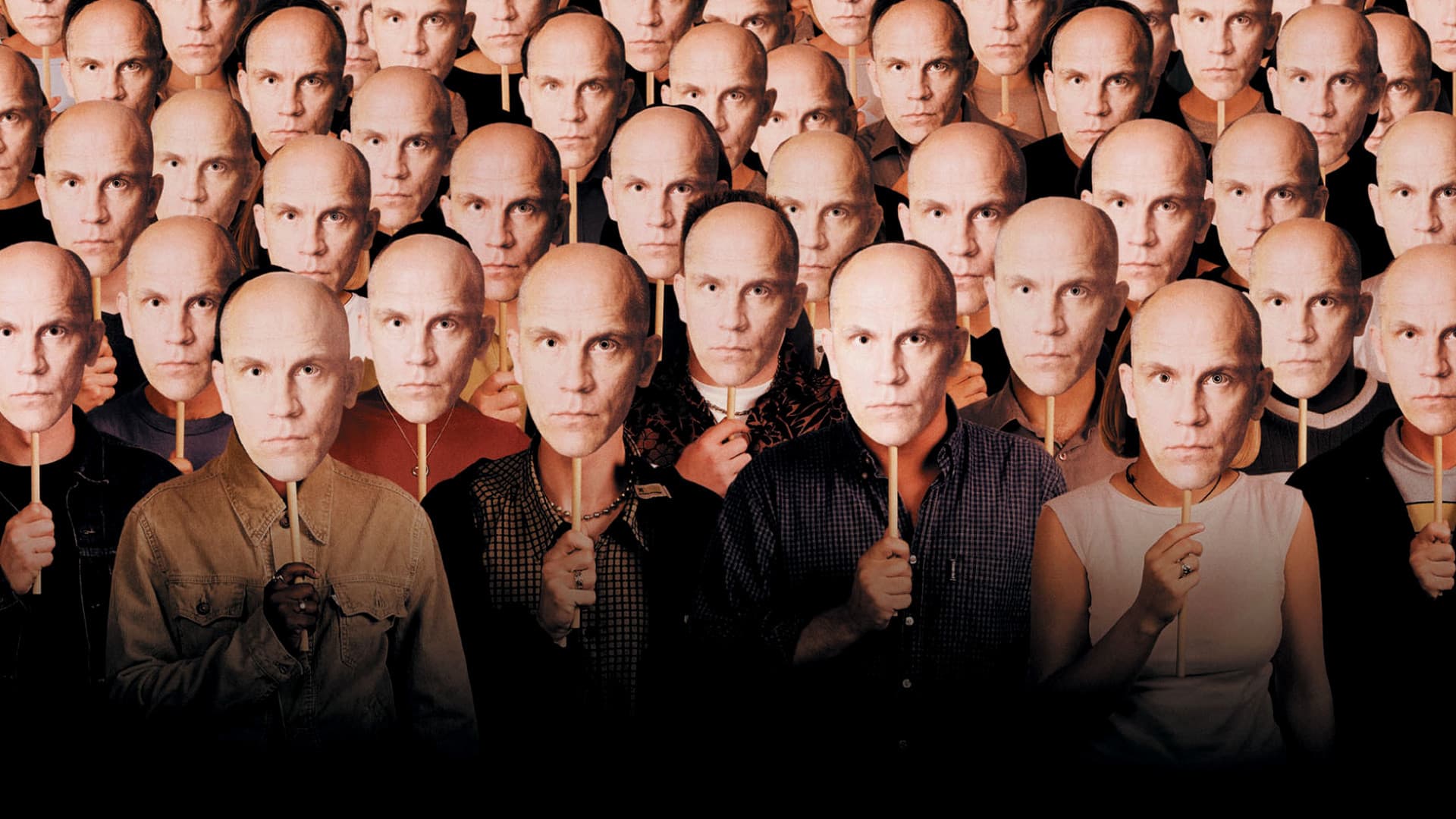
John Malkovich has never been one to soften a blunt assessment, and his latest remarks about the state of moviegoing land with the force of a verdict. The veteran actor said this week that mounting a full awards campaign has effectively become the lone mechanism capable of pulling audiences off their couches and into cinemas, a claim that cuts against the industry's preferred narrative that theatrical attendance is stabilizing. His comment, made during a wide-ranging conversation about the shrinking space for adult dramas on the big screen, amounts to an indictment of how movies now reach viewers - and of what it takes to make them care.
Malkovich frames the Oscars not as a celebration of artistic achievement but as a marketing apparatus without a viable rival. In his view, the months of screenings, Q&As, guild events and press cycles that constitute a modern campaign generate the only sustained public conversation that can compete with the endless scroll of streaming options. Absent that machinery, he suggests, even strong films slip past audiences unnoticed.
The logic is hard to dismiss. Over the past decade, the awards season has swollen into a parallel release strategy, one in which a theatrical run is often designed less for general audiences than for voters and tastemakers. Distributors time their openings to qualify for eligibility, then rely on nominations to convert into ticket sales. For smaller films without franchise branding, that nomination bump can be the difference between a brief art-house run and a genuine cultural moment.
A Diagnosis of Diminishing Returns
What makes Malkovich's observation sting is its implication that the movies themselves are no longer sufficient. A trailer, a star, a strong review - none of it reliably fills a theater anymore. The campaign has become the product's engine, and without it, the product idles. That is a strange place for an art form to land, one in which the ceremony meant to honor cinema has become the primary reason people show up to see it.
His remarks also arrive at a moment when the definition of a theatrical film is under pressure from every direction. Streaming platforms have blurred the line between a movie and a piece of content, while shortened exclusive windows have trained audiences to wait. The pandemic accelerated habits that were already forming, and the industry has spent years trying to reverse them with varying degrees of success. Malkovich's point is that no amount of studio optimism changes the underlying math: attention is scarce, and only a handful of events reliably command it.
There is a particular irony in an actor of Malkovich's pedigree making this argument. He built a career on character-driven work that once found broad audiences without a campaign apparatus behind it - films that opened, lingered in theaters for months, and became part of the culture through word of mouth. That ecosystem has largely collapsed. What replaced it is a winner-take-most dynamic in which a few titles dominate screens and conversation while everything else fights for scraps.
What It Means for Filmmakers and Distributors
If Malkovich is right, the consequences ripple outward. Filmmakers who once dreamed of a straightforward theatrical release now must factor in whether their backer can afford a campaign, because without one the release may amount to little more than a formality. Distributors, meanwhile, face a self-reinforcing cycle: they spend heavily on awards pushes because those pushes work, which raises the cost of entry and squeezes out everyone who cannot keep pace.
The counterargument is that this has always been true to some degree. Awards have long boosted box office, and studios have long engineered releases around them. What has changed is the ratio. The campaign is no longer a boost to a theatrical run; increasingly, it is the theatrical run's entire reason for existing in the public imagination.
Malkovich did not offer a solution, and it is not clear one exists that the industry would accept. Theaters need events. Campaigns create events. But a system that depends on an annual ceremony to remind people that movies exist is a fragile one, vulnerable to any shift in voter behavior, studio priorities or audience fatigue.
For now, his comment stands as a challenge to anyone who insists the theatrical experience is healthy. The audiences are out there, he seems to imply. They are simply waiting for a reason - and increasingly, the only reason anyone is offering them is a statue.
Source: The Hollywood Reporter