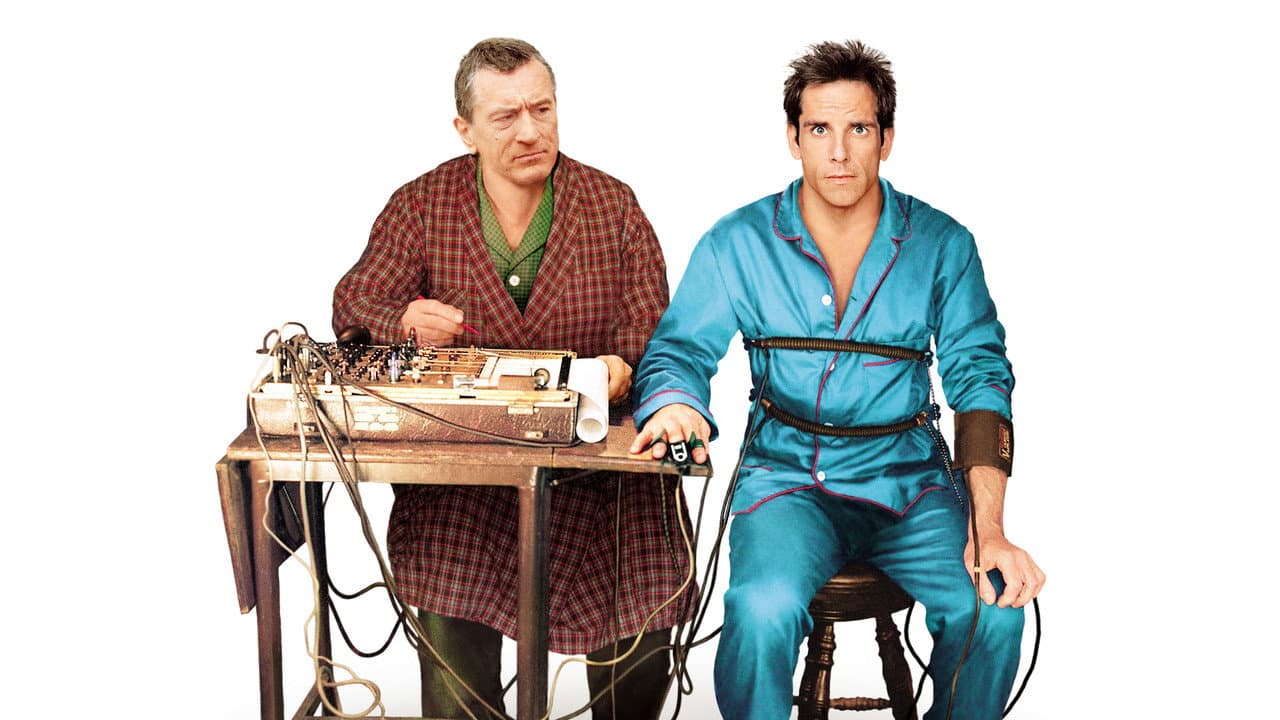
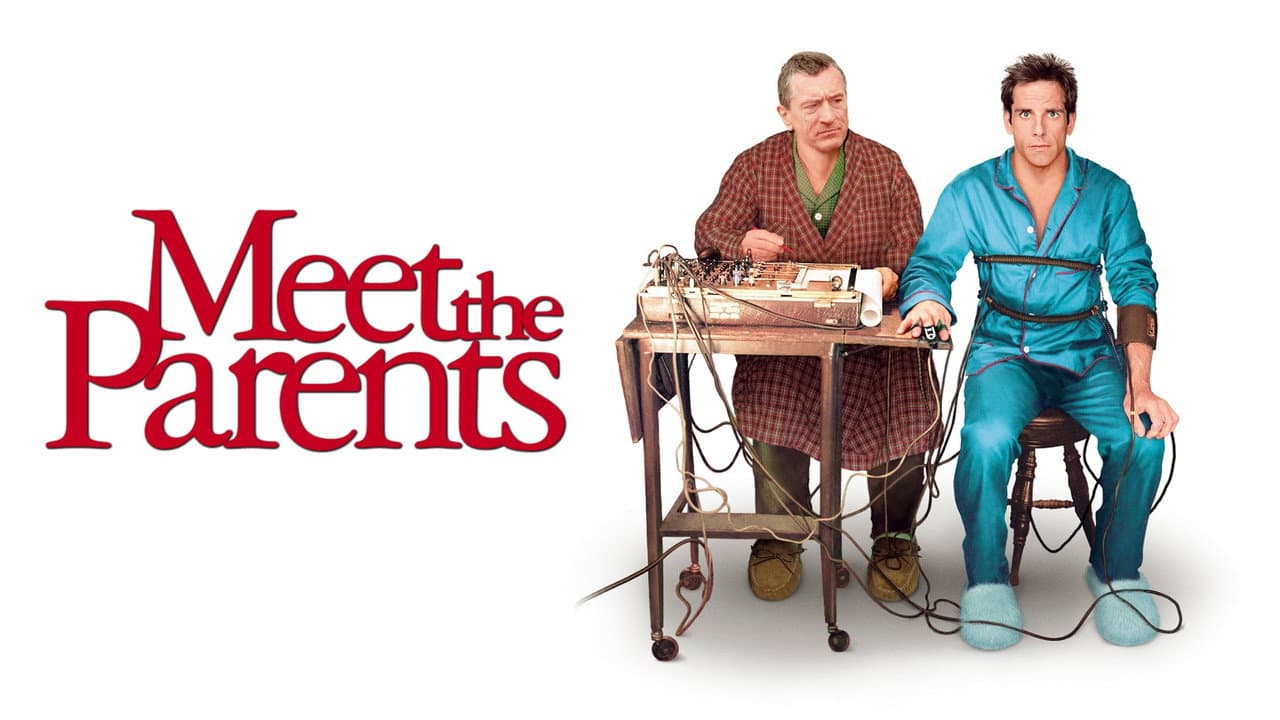
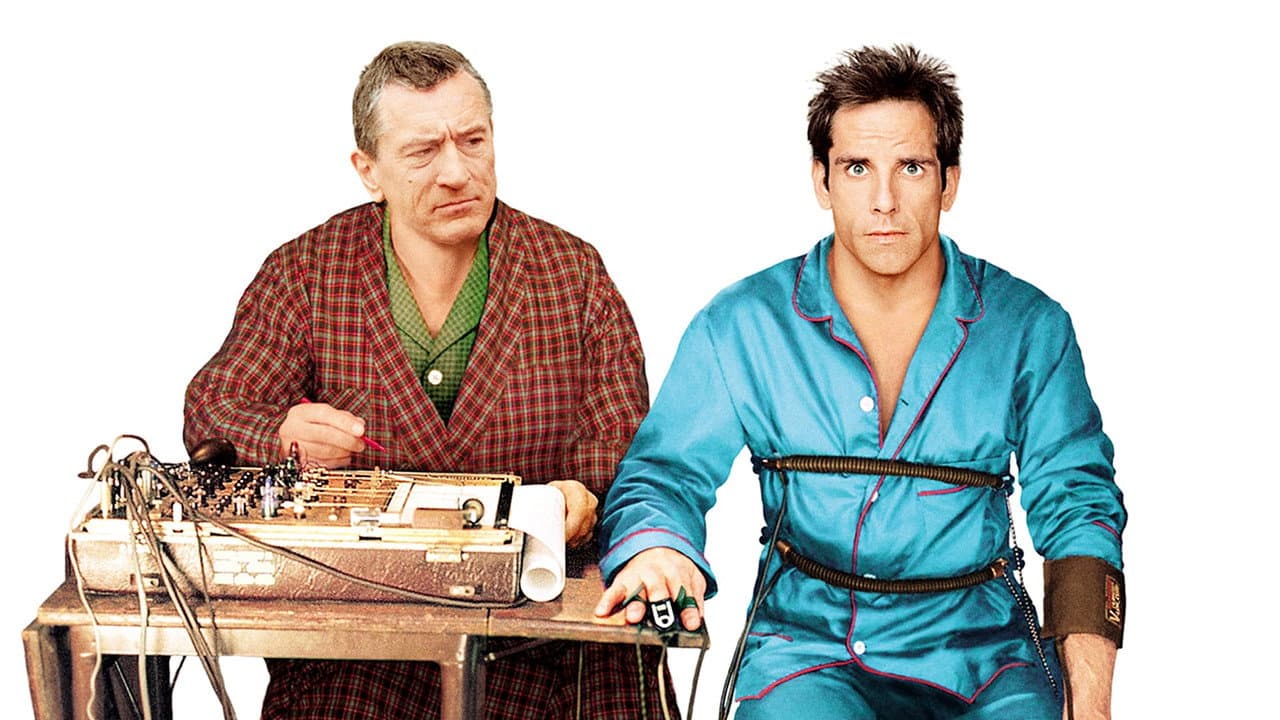
The 2000 comedy "Meet the Parents" arrived in theaters with a premise that could have been pulled from any number of anxious family gatherings: a man meets his girlfriend's parents for the first time and tries not to ruin everything. What distinguished the film, as The Hollywood Reporter's original review noted, was the combustible pairing of Ben Stiller and Robert De Niro as the nervous suitor and the suspicious patriarch who studies him like a lab specimen. Released on October 6, 2000, the Jay Roach-directed picture ran 108 minutes and blended comedy with romance, finding humor in the slow-motion collapse of a courtship under a future father-in-law's watchful eye.
The story centers on Greg Focker, played by Stiller, who is prepared to propose to his girlfriend, Pam Byrnes, portrayed by Teri Polo. Before he can ask the question, he must first earn the approval of her father, Jack Byrnes, a humorless former CIA agent brought to life by De Niro. Greg travels to the Byrnes family home for the wedding of Pam's sister, determined to make a good impression. Instead, the visit becomes a relentless sequence of mishaps, each unfolding under Jack's critical, hawklike scrutiny. The film's own framing makes clear that this is a courtship conducted under interrogation conditions, and that Greg's every effort to bend over backward only seems to hasten his unraveling.
The cast around the two leads gives the comedy its ensemble texture. Blythe Danner plays Dina Byrnes, Jack's wife, while Jon Abrahams appears as Denny Byrnes and Nicole DeHuff as Debbie Byrnes, the sister whose wedding provides the occasion for Greg's ordeal. Owen Wilson turns up as Kevin Rawley, a rival suitor whose effortless charm stands in contrast to Greg's escalating disasters, and James Rebhorn plays Dr. Larry Banks. The lineup places Stiller and De Niro at the center of a domestic comedy of manners, with the supporting players supplying the social pressures that make Greg's visit so perilous.
The humor in "Meet the Parents" depends on the mismatch between Jack's professional instincts and Greg's civilian awkwardness. Jack is described as a former CIA agent, and the film mines the contrast between the controlled, watchful father and the well-meaning but clumsy outsider who cannot seem to do anything right. Greg's journey from hopeful boyfriend to guest under suspicion gives the movie its comic engine, and the title itself signals the ordeal ahead: meeting the parents as a test of endurance rather than a friendly introduction. As a comedic premise, it is simple and durable, built on the universal anxiety of being judged by a partner's family.
Director Jay Roach steers the material as a mainstream studio comedy, and the film was released in English as a Hollywood production. Its commercial framing was straightforward: a high-concept premise, two marquee names in a pairing designed to generate sparks, and a supporting cast of recognizable faces. The reviews at the time noted the film's willingness to let its protagonist suffer, with each disaster compounding the last until Greg's prospects appear beyond repair.
More than two decades later, the film's reputation rests on audience goodwill as much as critical response. TMDb lists a rating of 6.7 out of 10, while IMDb shows 7 out of 10, figures that suggest a comedy that has held up reasonably well with viewers. The movie's legacy lies in the tension between Stiller's flustered everyman and De Niro's stone-faced authority figure, a dynamic that made the picture a touchstone of early-2000s studio comedy and left audiences with a lasting image of the family visit as a gauntlet to be survived.
For USA Film News, the revival of The Hollywood Reporter's 2000 review is a reminder of how much of the film's comedy rests on performance rather than plot. The premise is thin by design: a young man wants to marry his girlfriend and needs her father's blessing. What gives the movie weight is the prolonged discomfort of the visit, staged with the precision of a comic thriller in which the antagonist wears a cardigan and asks pointed questions. Greg's efforts to impress Jack consistently backfire, and the film's title becomes a promise of escalating embarrassment rather than a simple introduction.
The film's release date places it at the start of the 2000 awards-season corridor, though its aims were clearly populist rather than prestige-driven. Its romantic-comedy classification sits alongside its more dominant comic identity, with the romance serving as the stake that makes Greg's humiliation matter. The movie asks the audience to root for a man who keeps making things worse, and the Byrnes household becomes a stage for a very particular kind of American family comedy, one in which class, profession and gender expectations all become fodder for jokes.
Looking back, the review's central observation holds: the film works because the audience can see the disaster coming and cannot look away. Greg Focker's weekend with the Byrnes family remains a durable comic scenario, and the pairing of Stiller and De Niro remains its most memorable asset. The movie's modest ratings on aggregator sites reflect a comedy that was never aiming to be more than an effective crowd-pleaser, and on that measure, its premise about the perils of meeting the parents has proved remarkably resilient.
Source: The Hollywood Reporter