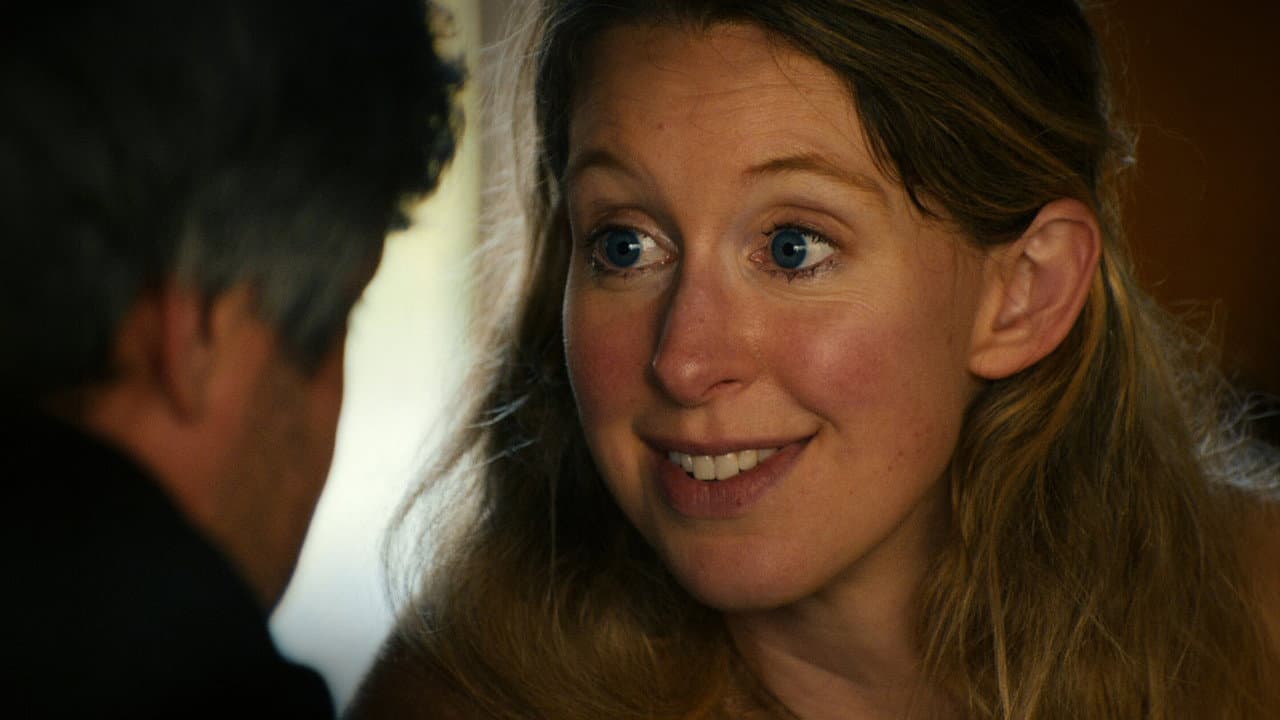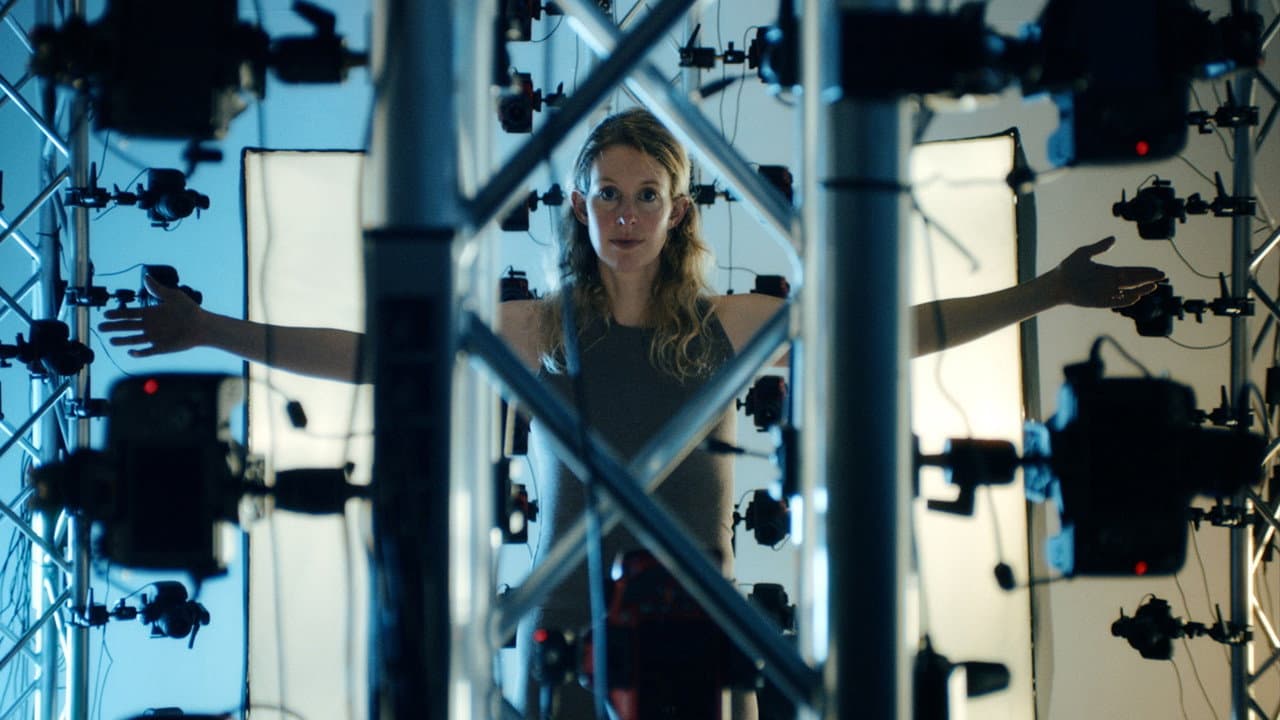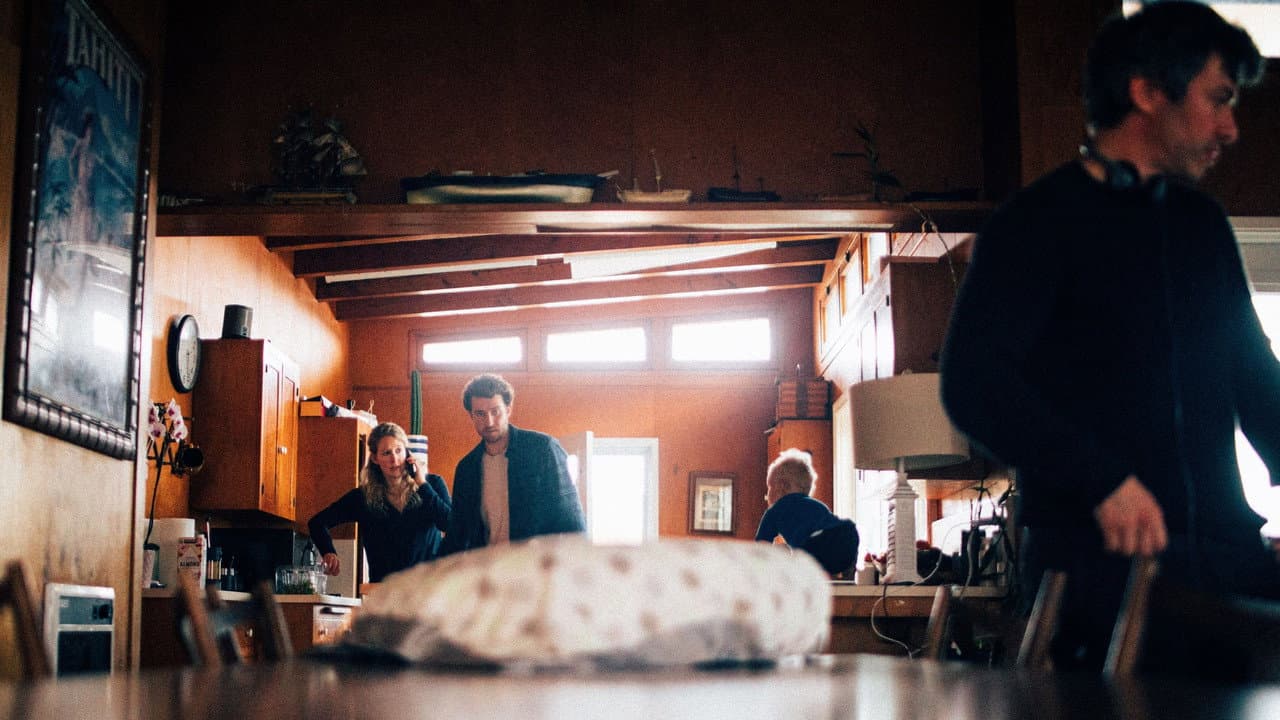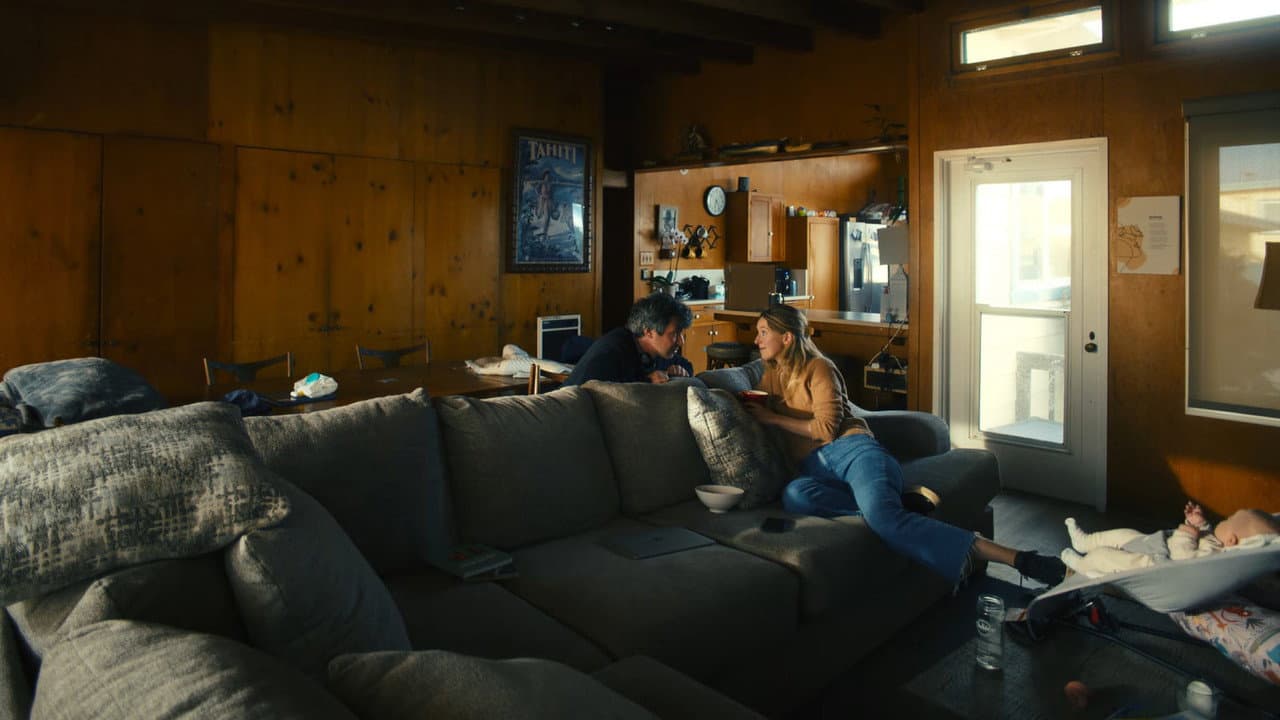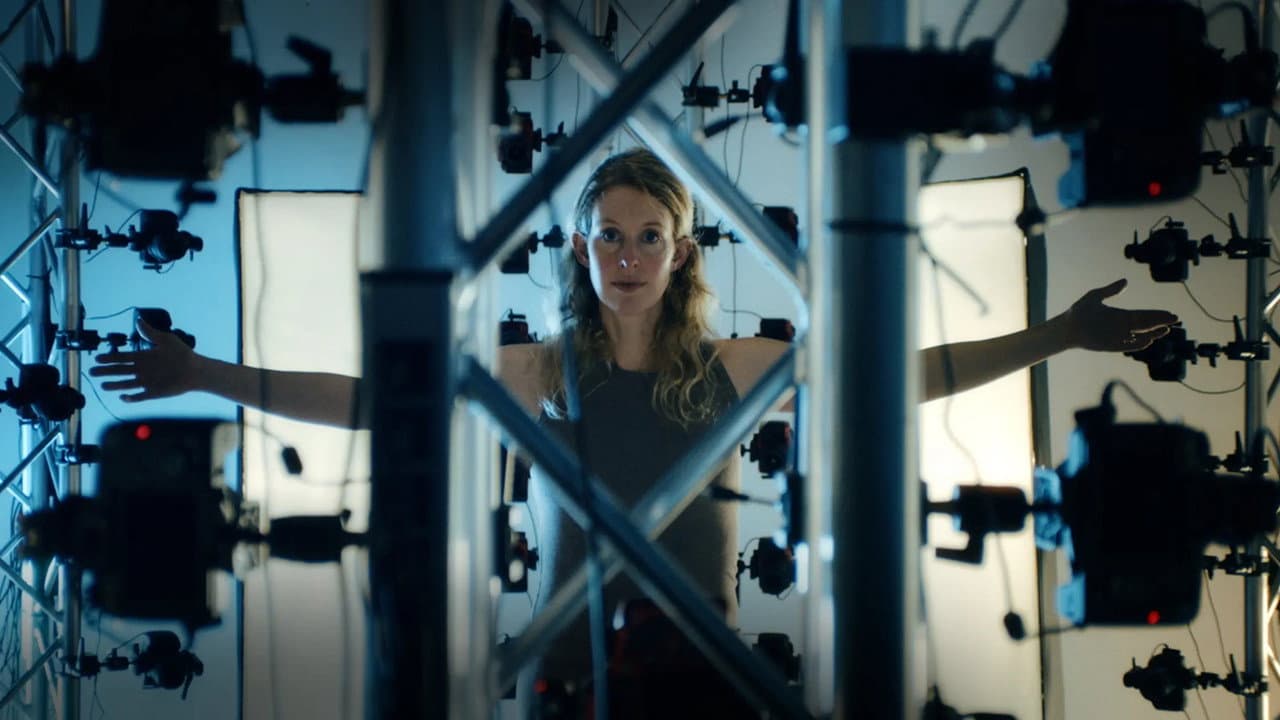
Nathan Fielder's documentary "You Can See Everything" has become the most talked-about release of the fall, and its director and producer Lance Oppenheim are now opening up about the strange, years-long path that produced it. The film, which runs 174 minutes and opened in theaters on October 16, follows Elizabeth Holmes in the thirty-four days before she reported to prison, as she invited a skeptical crew to record her daily life. What the filmmakers expected to be a short, intimate portrait instead stretched into a three-year descent that neither of them fully anticipated.
The documentary carries a remarkable 9.1 out of 10 rating on TMDb, a figure that reflects both the fascination surrounding its subject and the word-of-mouth buzz that has built since release. Audiences have responded to the film's refusal to settle into a conventional true-crime mold. Instead of a straightforward account of Holmes's downfall, the movie keeps shifting shape, and that instability has become its central draw.
From a Thirty-Four-Day Window to a Three-Year Abyss
Speaking about the project's evolution, Fielder described how the original premise dissolved almost immediately. The crew arrived expecting a limited window before Holmes's surrender to authorities, but the timeline kept moving, and with it the nature of what was being captured. Oppenheim, who produced the film, said the material grew denser and more disorienting with each passing month, turning what began as an observational exercise into something closer to a psychological maze.
The film's title has taken on a life of its own in discussions online, with viewers debating what, exactly, the phrase refers to. The documentary never offers a tidy answer, and both filmmakers seem content to leave that ambiguity intact. Fielder noted that the project resisted every attempt to impose a clean narrative arc, and he argued that forcing one would have betrayed what the footage actually showed.
A Cast That Blurs the Line Between Self and Performance
One of the most striking elements of "You Can See Everything" is its credited cast, which mixes documentary subjects with actors in ways that complicate the film's genre label. Holmes appears as herself, as do Fielder, Billy Evans, Oppenheim, Christian Rasmus Holmes IV, and Noel Anne. Alongside them, Amanda Seyfried is credited as "Self / Elizabeth Holmes," and Christopher Abbott appears as "Self / Billy Evans."
That dual billing has fueled much of the conversation around the movie. Audiences have seized on the presence of Seyfried and Abbott, whose roles are listed in a way that suggests performance and reality are deliberately intertwined rather than kept separate. The film is classified as a documentary and was made within the Hollywood system in English, but its casting choices push against the conventions that label usually implies. Neither filmmaker has offered a simple explanation for how the actors function within the film, and the ambiguity appears to be by design.
How Audiences Are Reacting
Reactions have been intense and divided in productive ways. Some viewers describe the runtime as demanding but rewarding, arguing that the 174-minute length is necessary to convey the gradual erosion of certainty that the film dramatizes. Others have focused on the ethical questions raised by giving Holmes such a prominent platform, debating whether the movie interrogates its subject or simply amplifies her.
Fielder and Oppenheim have engaged with that criticism directly rather than deflecting it. Oppenheim said the skepticism the crew brought in at the start never disappeared; it evolved. Fielder added that the film is meant to make viewers uncomfortable with their own curiosity about Holmes, and that the discomfort is part of the point rather than a side effect.
The theatrical run has positioned the movie as a genuine conversation starter, with the 9.1 rating suggesting that whatever unease it provokes, audiences are rating it highly. For a documentary with an unconventional structure and a running time well beyond the norm, that combination of high scores and heated debate is unusual.
A Project That Keeps Refusing to Resolve
What emerges from Fielder and Oppenheim's remarks is a portrait of two filmmakers who never fully gained control of their subject and chose not to pretend otherwise. The three-year journey they describe sounds less like a production and more like an ongoing negotiation with a figure who remains elusive even when the cameras are running. "You Can See Everything" is now playing in theaters, and its directors seem just as interested as its audience in what the film ultimately reveals about the people watching it.
Source: The Hollywood Reporter