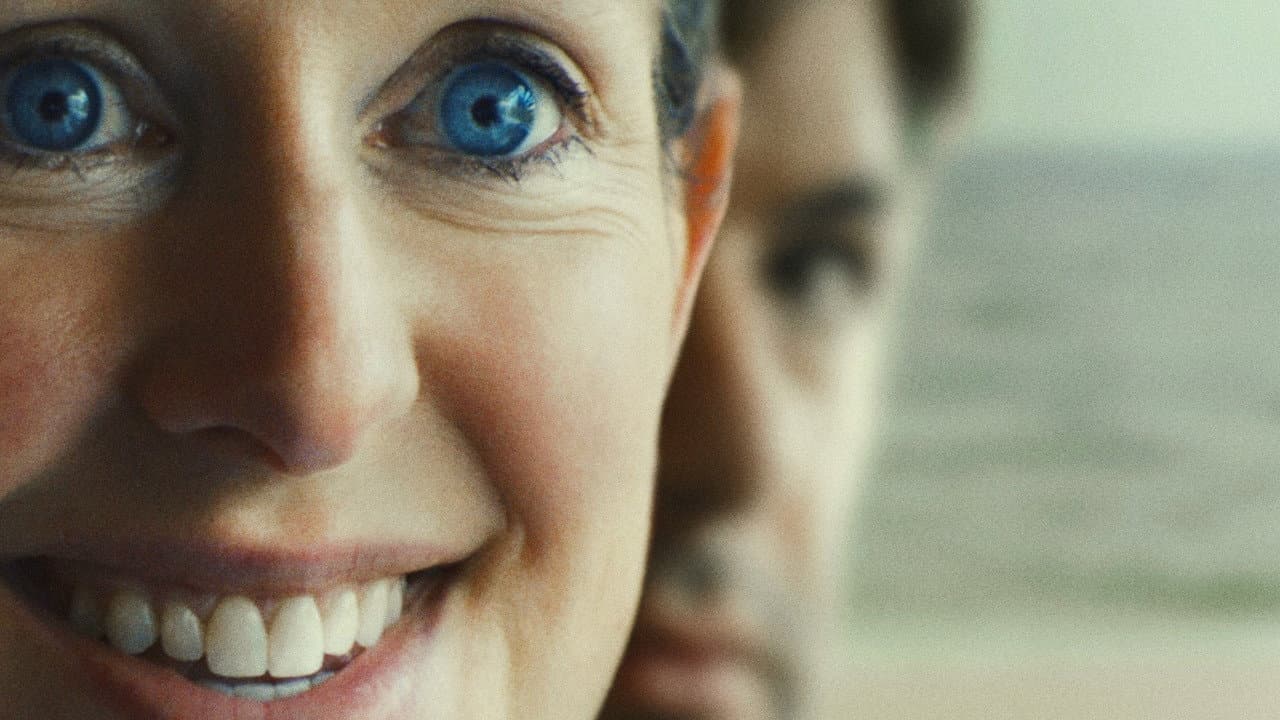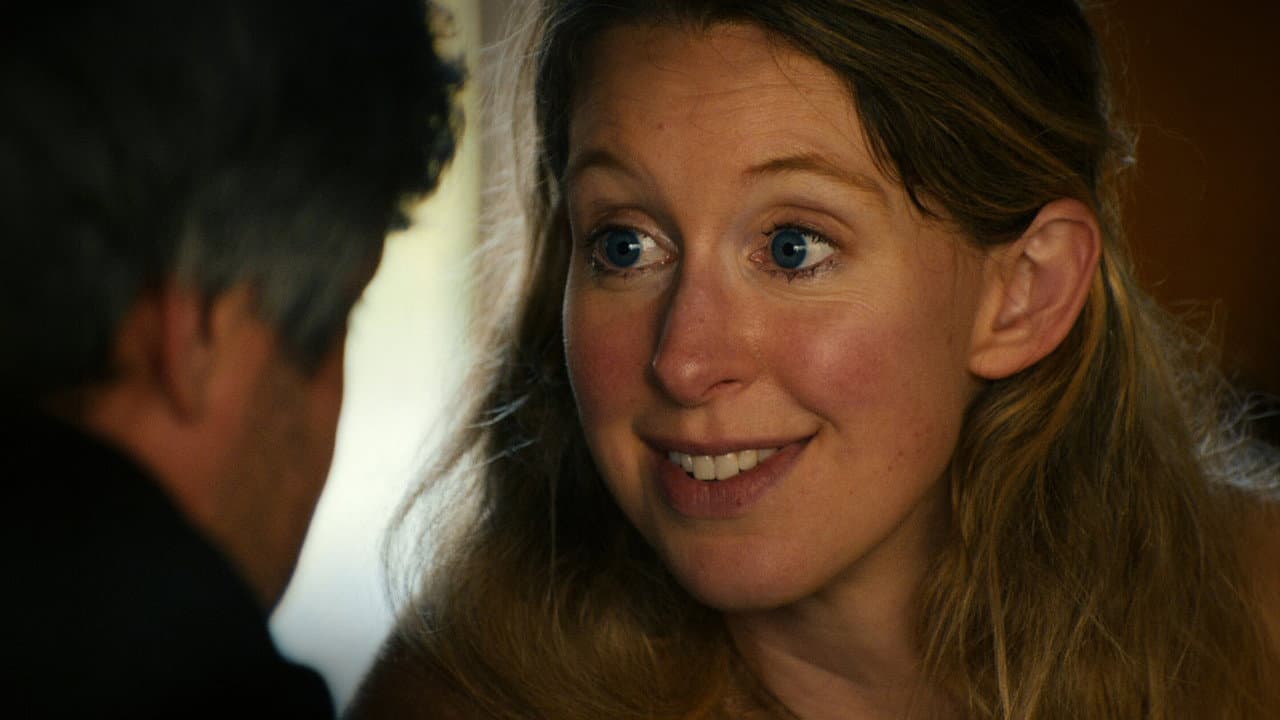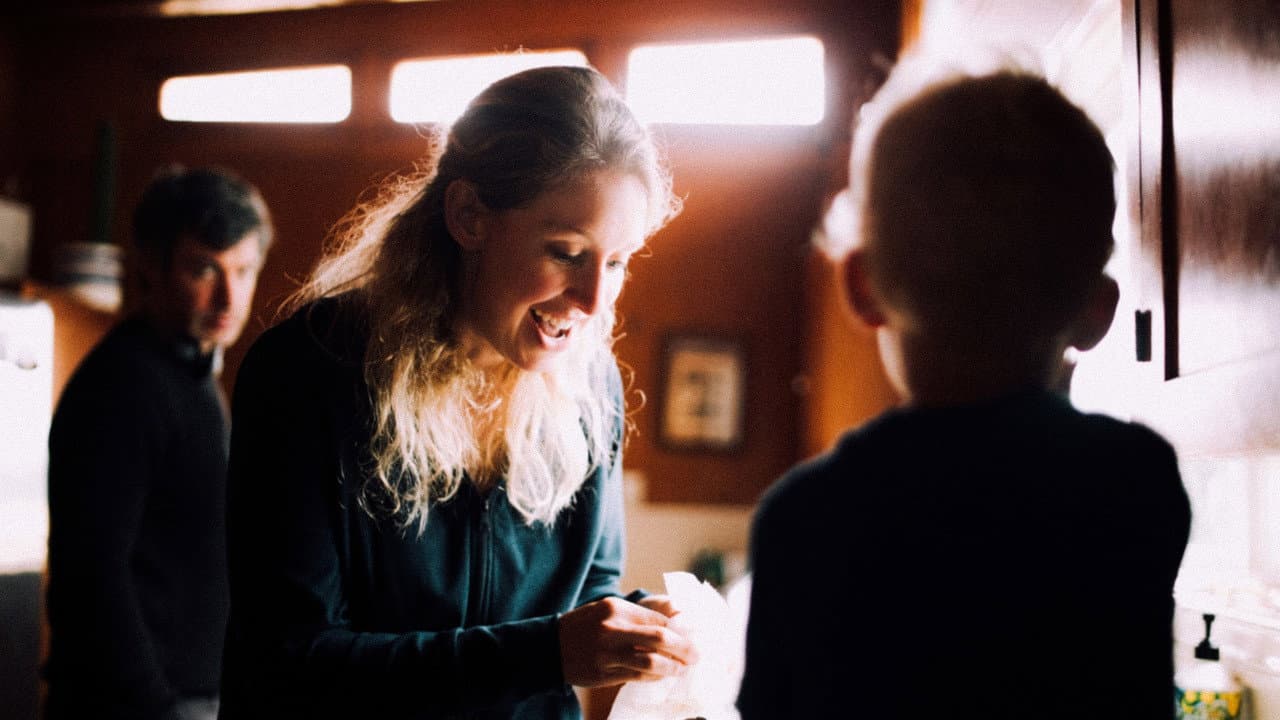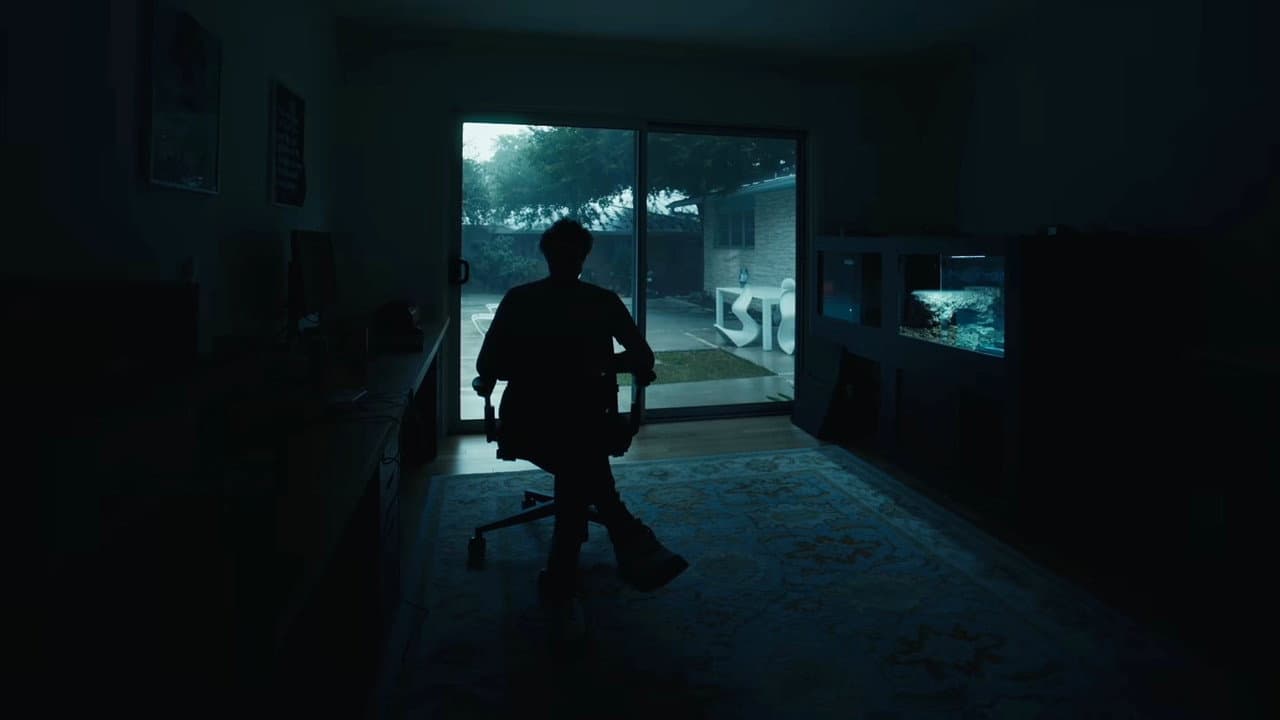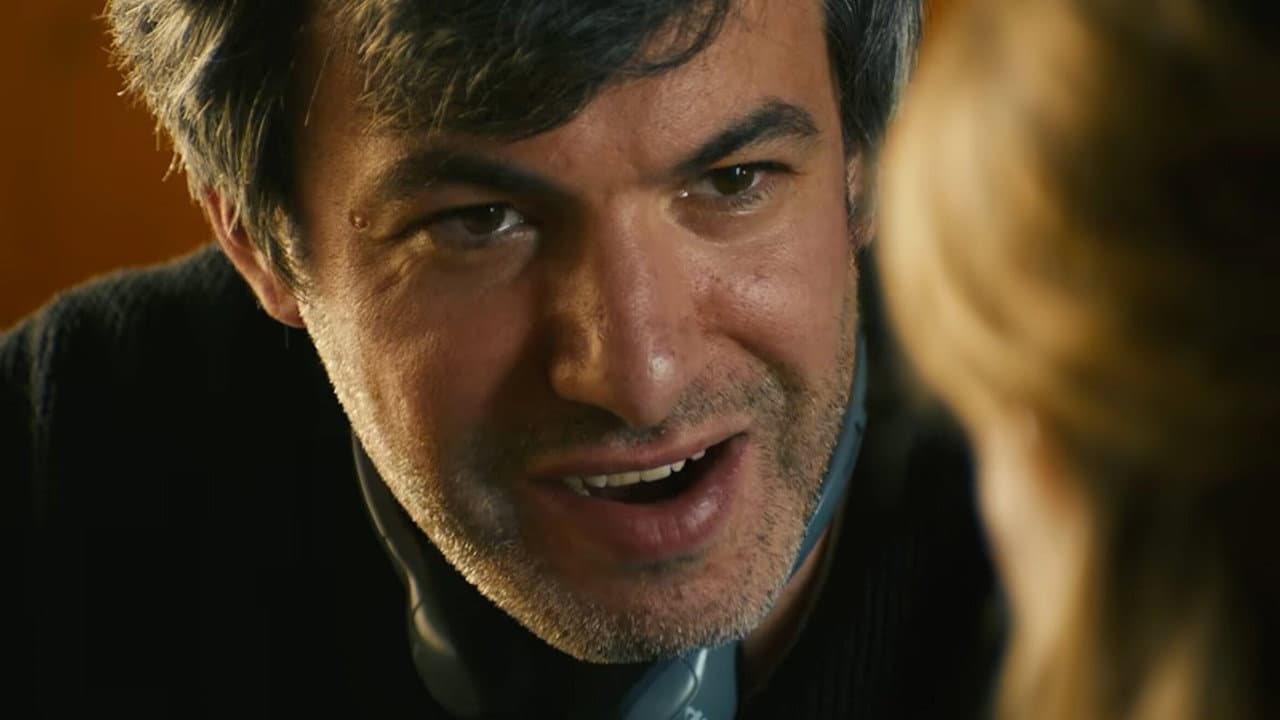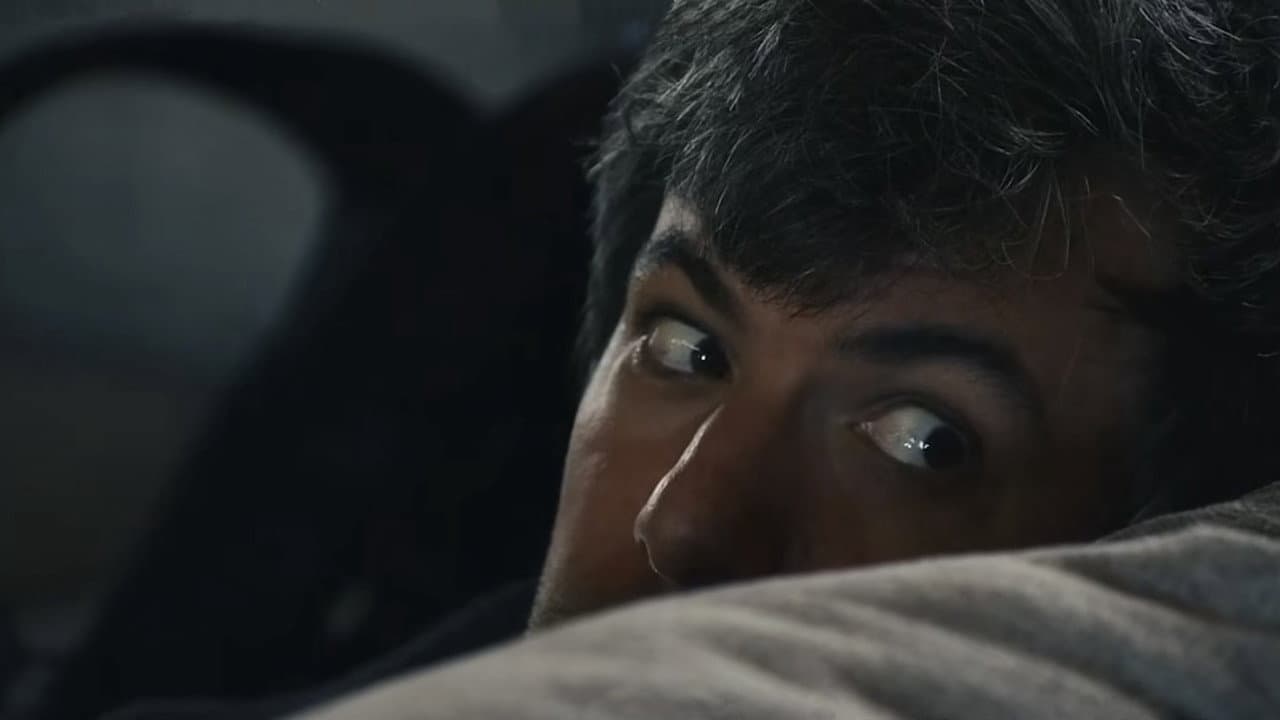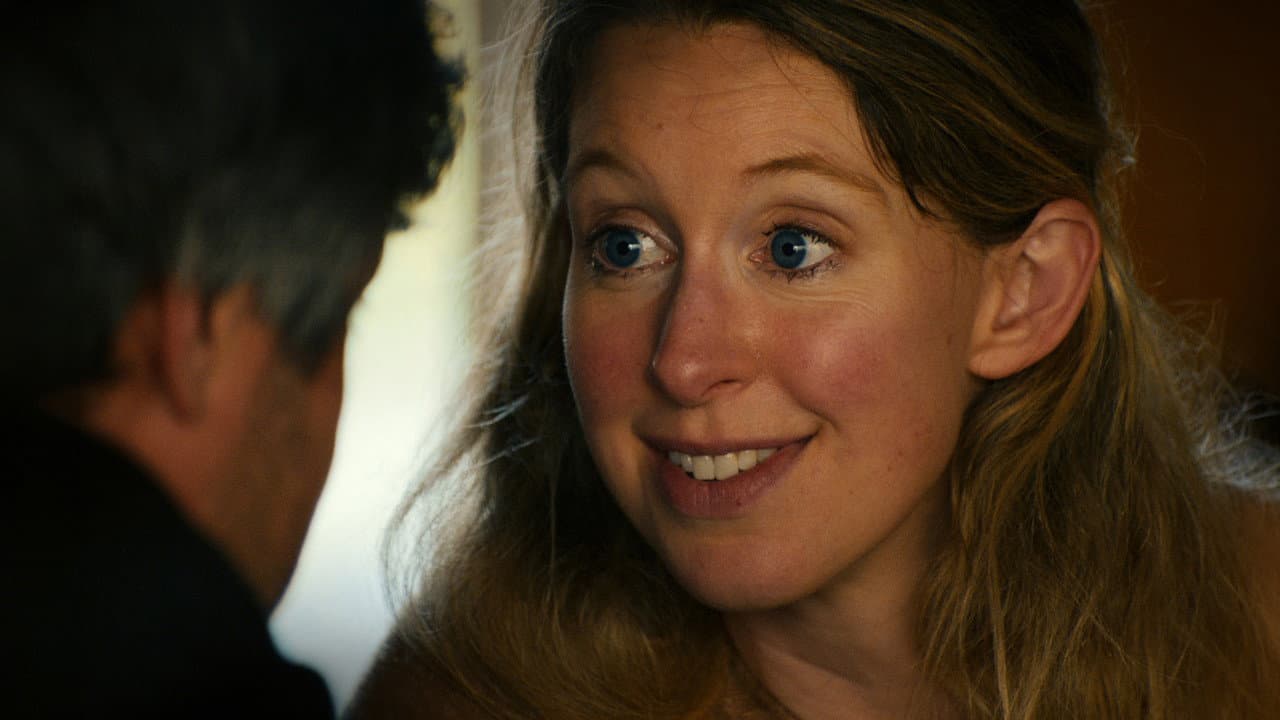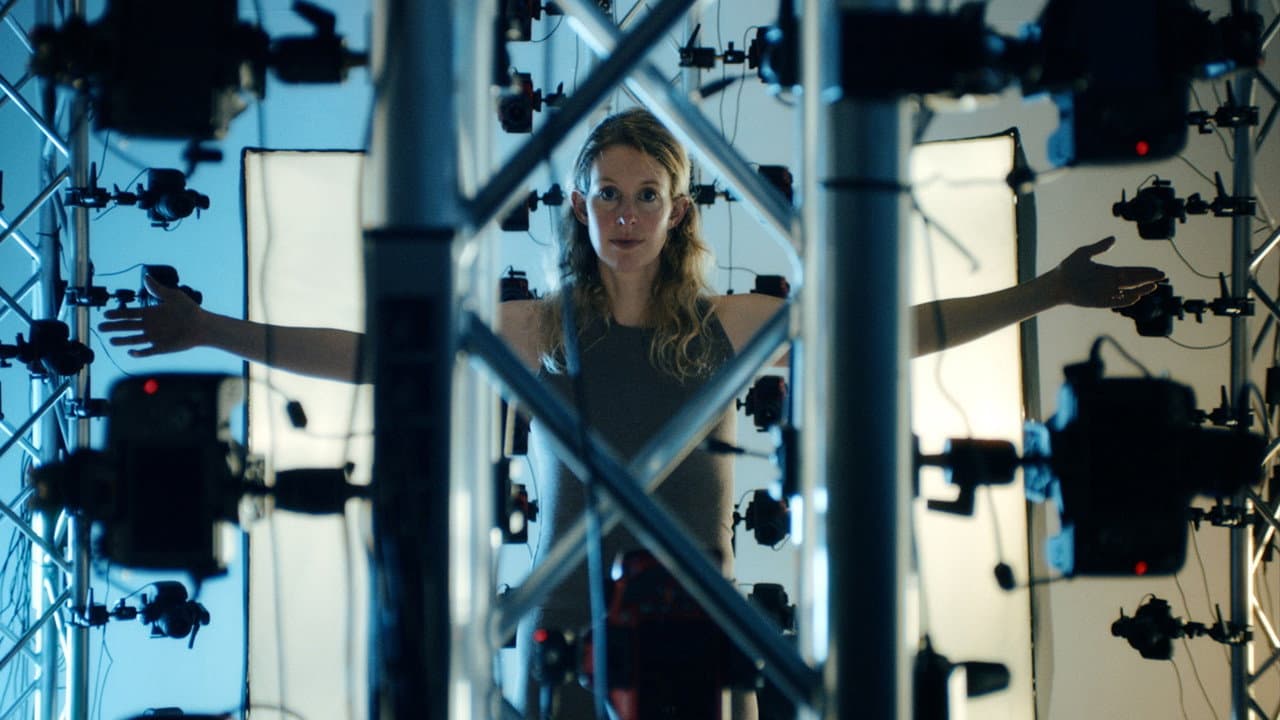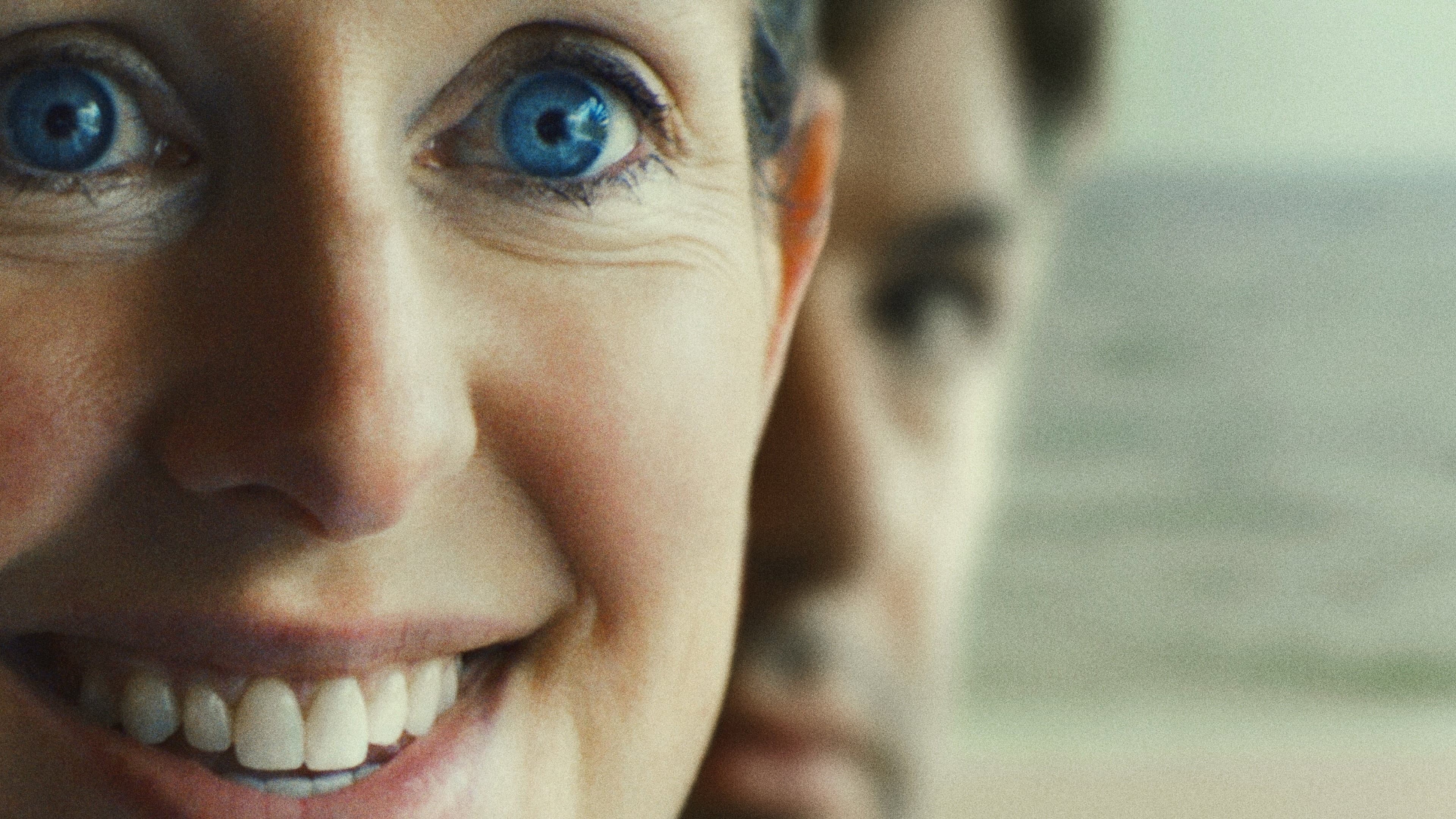
You Can See Everything has become the first documentary ever to surpass one million watched members on Letterboxd, and it crossed the $100 million mark at the global box office over the weekend, distributor and platform figures confirmed Monday. The Nathan Fielder-directed film, which follows Elizabeth Holmes in the weeks before she reported to prison, has turned into the year's most unlikely commercial phenomenon - a 175-minute documentary that has outgrossed most of the fall's narrative releases and colonized film social media in the process.
Letterboxd, the cinephile logging platform, said the film passed the one-million-watched threshold on Sunday. No documentary had previously come close: the previous record holder sat at roughly a third of that figure, according to platform rankings. The milestone arrives five weeks after the film's October 16 release and caps a run that has seen You Can See Everything dominate the platform's popular reviews almost continuously since opening.
A Box Office Run Nobody Predicted
The $100 million global tally would be a solid result for a mid-budget drama. For a documentary - a genre that typically measures its theatrical life in weeks rather than months - it is without precedent in the modern era. The film opened on a modest number of screens and expanded steadily as word of mouth built, a pattern more common to horror breakouts than to nonfiction.
The film's official synopsis sets up a premise that sounds closer to fiction than reportage: thirty-four days before she is sent to prison, the notorious Silicon Valley founder invites a skeptical film crew to document her every move. What begins as an intimate portrait of an enigmatic felon, per the synopsis, becomes a mind-bending three-year journey into the abyss.
Holmes appears as herself, alongside Fielder, who also directs. The cast includes Billy Evans as himself, Lance Oppenheim as himself, and Christian Rasmus Holmes IV and Noel Anne Holmes as themselves. In an unusual arrangement that has fueled much of the online conversation, Amanda Seyfried appears as "Self / Elizabeth Holmes" and Christopher Abbott as "Billy Evans" - performers credited as themselves while portraying the film's principal subjects.
Critics and Audiences Aligned
Reception has been strong across the board. The film holds an 8.8 audience rating on TMDb and a 7.9 on IMDb, scores rarely seen for a documentary in wide release and high enough to place it among the best-reviewed titles of the year on either service. Its Letterboxd performance suggests something rarer still: a documentary that viewers treat as event viewing, logging and debating it with the intensity usually reserved for franchise films.
That intensity has spilled into the film's reception more broadly. You Can See Everything has become a fixture of end-of-year discussion weeks before most awards bodies weigh in, and its theatrical run has shown unusual staying power for nonfiction - a genre whose theatrical audiences have historically been older, smaller, and slower to arrive. Whether the Letterboxd record or the box office total represents the more significant figure is, at this point, an open question; the two milestones arrived within days of each other and reinforce the same story.
What the Numbers Mean
A million watched members on Letterboxd does not translate directly to ticket sales - the platform's users log films seen in theaters, on planes, and on streaming. But the overlapping timing of the two announcements makes the implied argument hard to miss: this is a film people are not only seeing but seeking out, and discussing afterward at unusual length.
For the documentary form, the implications are considerable. Nonfiction has spent years migrating toward streaming, with theatrical releases treated as qualifying runs rather than commercial propositions. You Can See Everything suggests an audience exists for the genre in theaters when the subject and the approach generate genuine cultural conversation - and that conversation, in this case, began online and moved outward.
The film remains in theaters. No streaming date has been announced, and given the pace of its theatrical performance, none seems imminent. For now, You Can See Everything holds two distinctions no documentary has held before: a nine-figure global gross and a million Letterboxd watches - figures that, taken together, have made the fall's strangest project its most talked-about success.
Source: The Hollywood Reporter