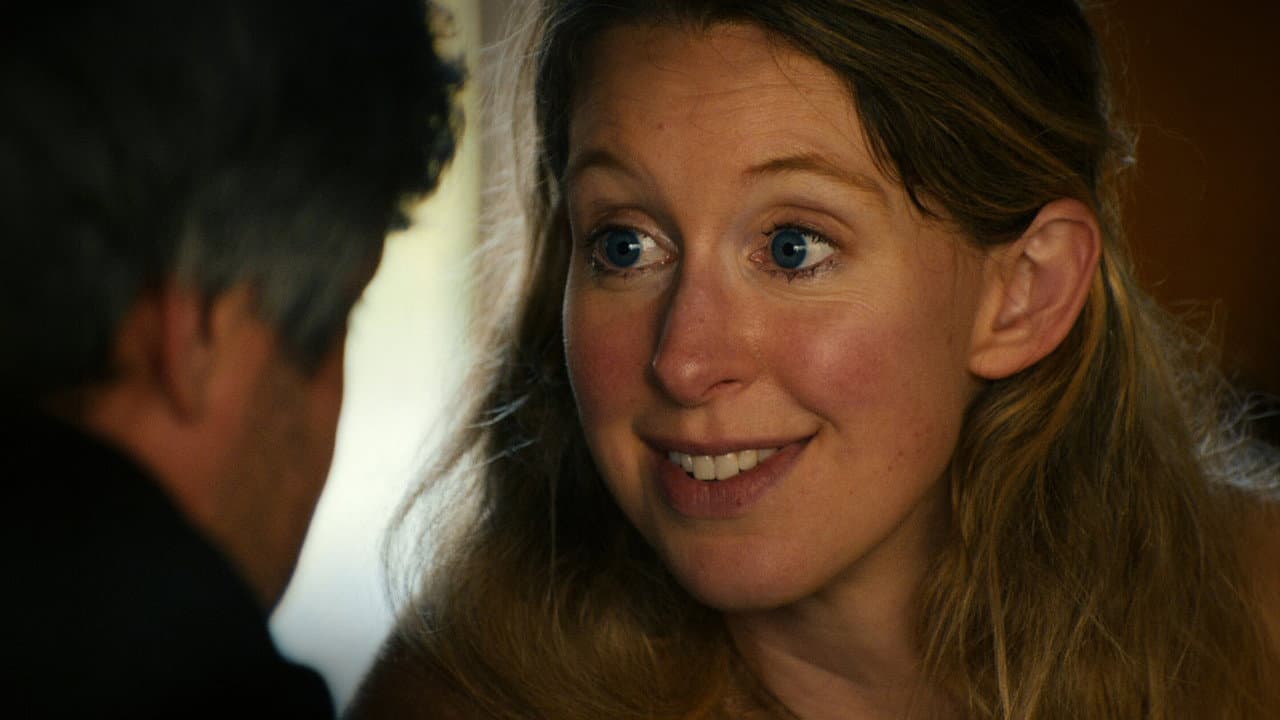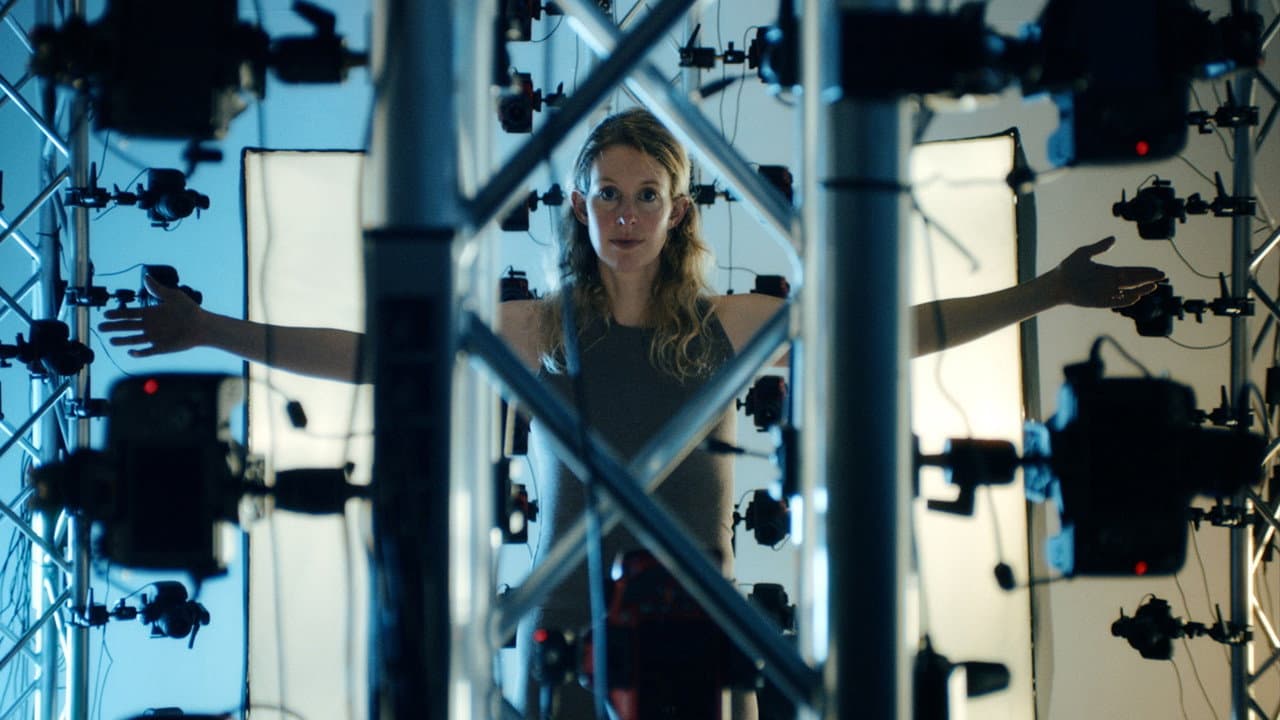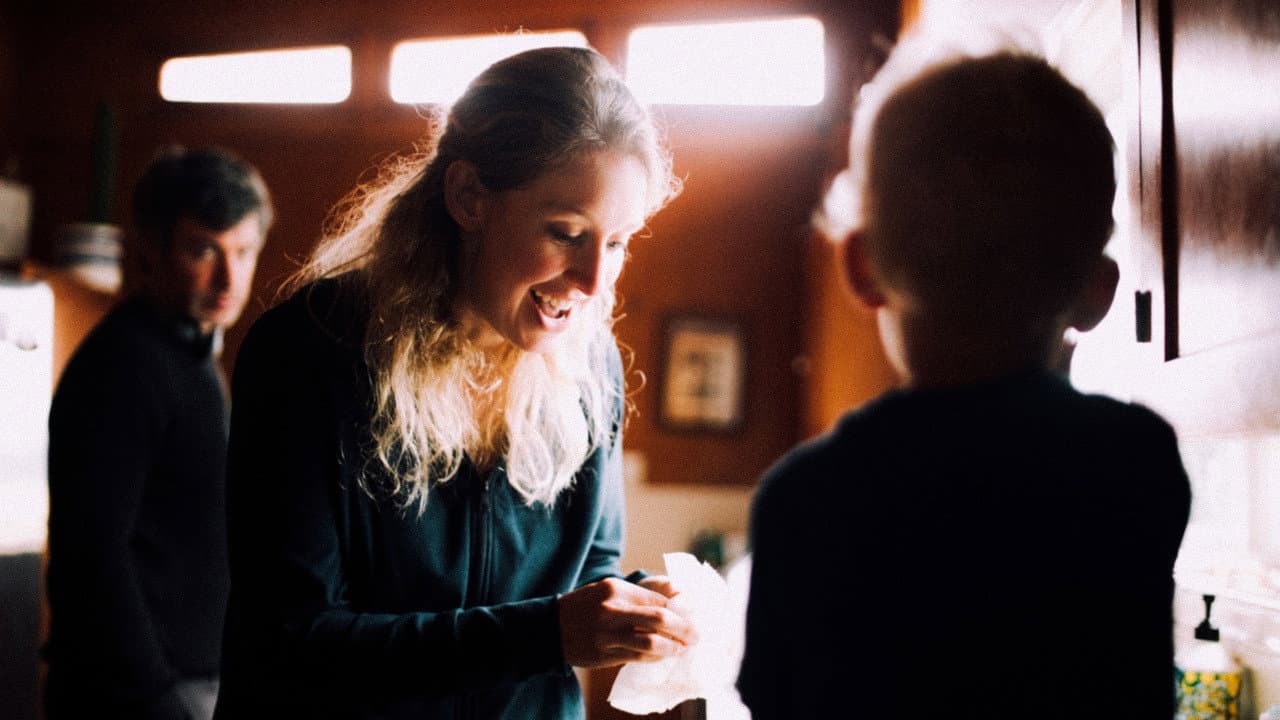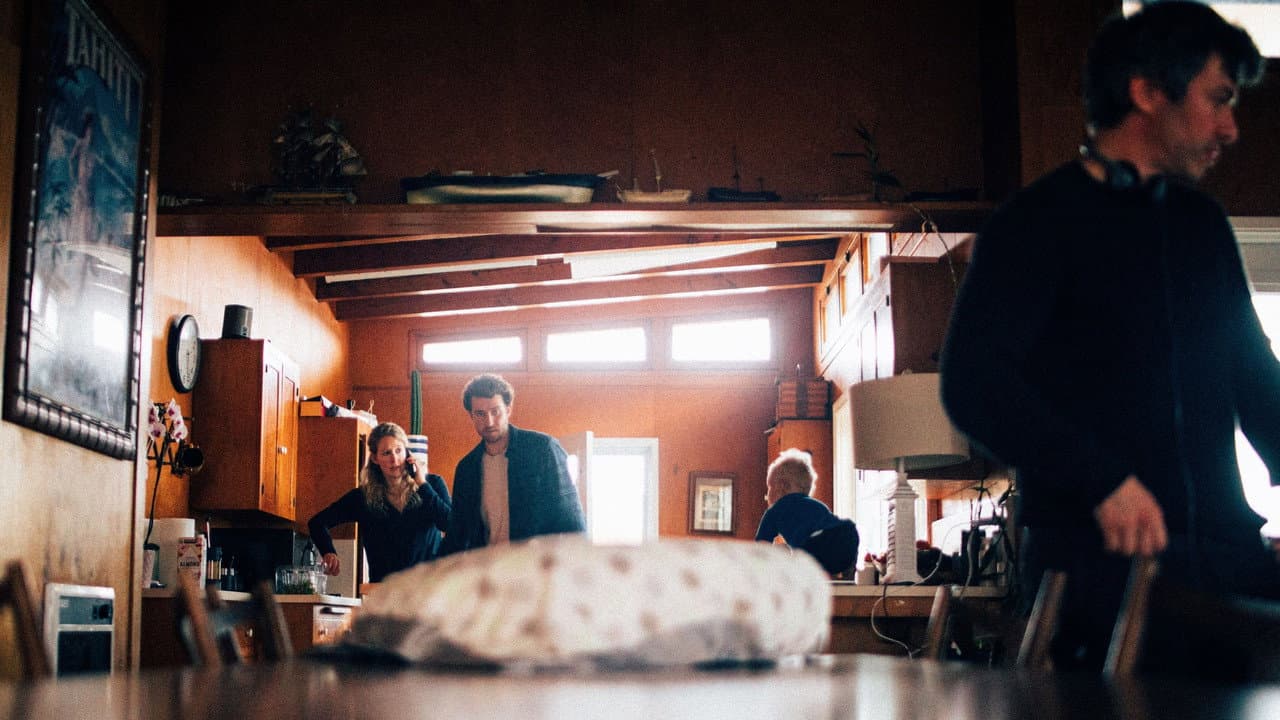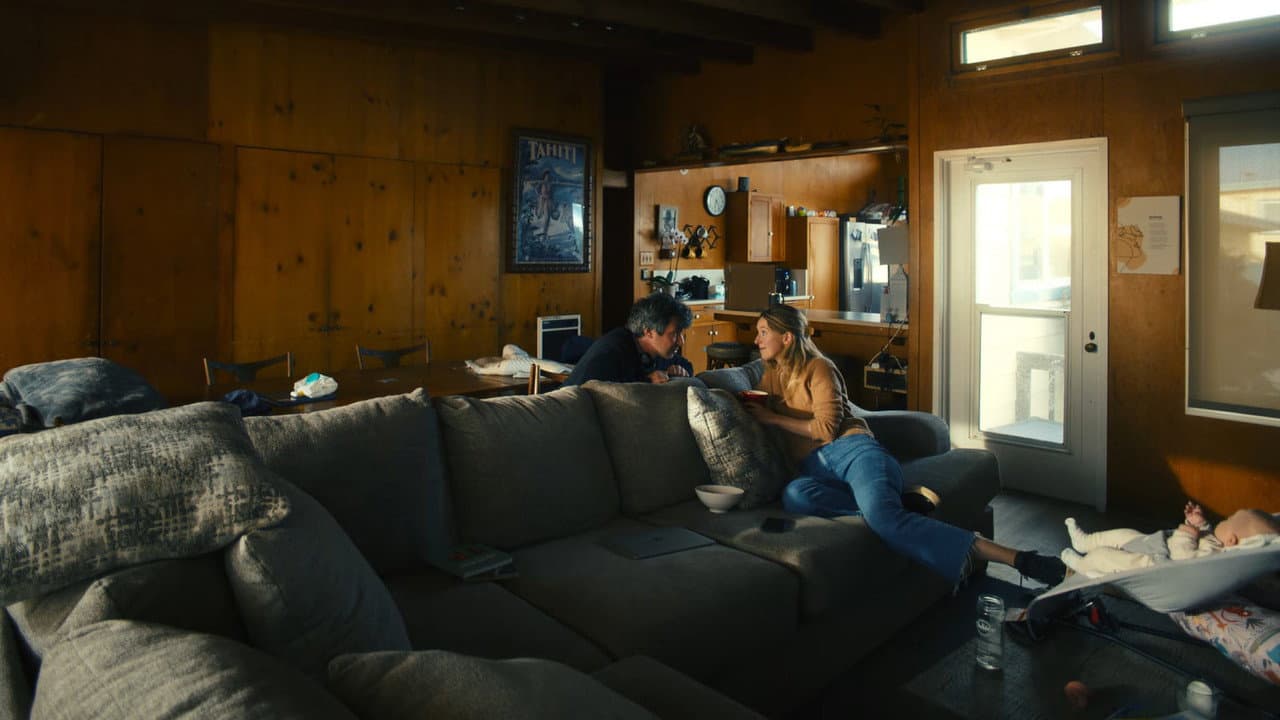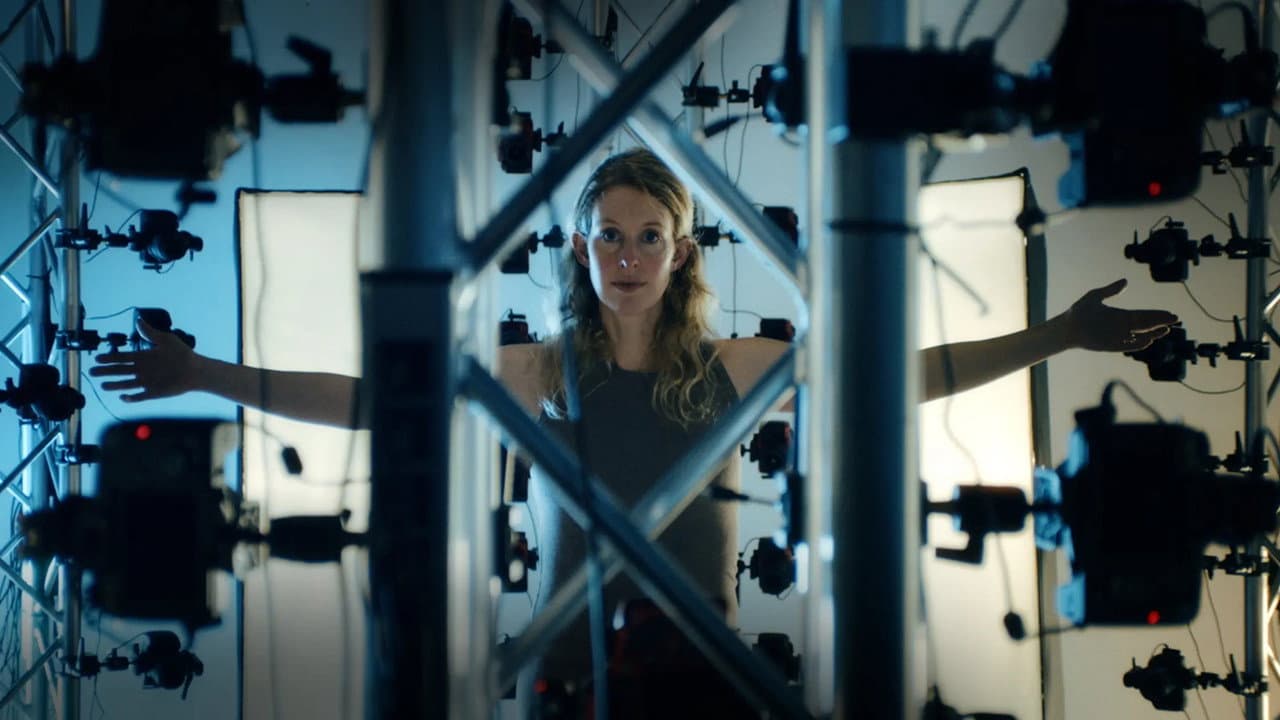
Nathan Fielder's documentary "You Can See Everything" arrived in theaters on October 16, and the film has quickly become one of the fall's most talked-about releases, holding an 8.4 rating on TMDb and a 7.9 on IMDb. The project, which runs 174 minutes, follows Elizabeth Holmes in the thirty-four days before she was sent to prison, after the notorious Silicon Valley founder invited a skeptical film crew to record her daily life. What is billed as an intimate portrait of an enigmatic felon instead unfolds, per its official overview, as a mind-bending three-year journey into the abyss.
The documentary is an English-language Hollywood production directed by Fielder, who also appears on screen as himself. Holmes likewise appears as herself, alongside Billy Evans. The cast further includes Amanda Seyfried, credited as self and as Elizabeth Holmes; Christopher Abbott, credited as self and as Billy Evans; Lance Oppenheim as self; Christian Rasmus Holmes IV as self; and Noel Anne as self. The blend of real subjects and performers playing those same subjects has been central to the conversation surrounding the film since its release.
A Crew Invited In, and a Story That Refused to Stay Small
The premise alone would draw attention: a founder whose name became shorthand for startup scandal agreeing to let cameras follow her in the final weeks before incarceration. According to the film's synopsis, the crew approached the assignment with skepticism, expecting a controlled portrait of a woman preparing for prison. Instead, the material expanded well beyond that initial frame, with the finished film described as spanning three years and turning into something far stranger than a conventional profile.
That transformation is reflected in the unusual casting. Seyfried and Abbott are listed as playing Holmes and Evans respectively while also appearing as themselves, a device that blurs the line between documentation and performance. The approach fits Fielder's established reputation for work that unsettles the boundary between reality and staged comedy, though the subject matter here carries considerably more weight than a typical prank.
Running Time and Reception
At 174 minutes, "You Can See Everything" is a substantial commitment for audiences, and its length has been part of the discussion around the release. The film's dual rating profile - strong with general audiences on TMDb, somewhat lower with IMDb users - suggests a divided but largely favorable response. Neither figure comes close to the polarization that often greets stunt-driven documentaries, indicating that the film has landed with viewers despite its unconventional structure.
The supporting cast is stocked with figures from the documentary and independent film world. Oppenheim, a documentarian known for immersive, character-driven work, appears as himself, adding a layer of self-awareness to a project already preoccupied with the mechanics of nonfiction storytelling. Christian Rasmus Holmes IV and Noel Anne round out a credits list that mixes family, filmmakers and actors in a single frame.
What the Film Is Really Doing
Strip away the meta layers and "You Can See Everything" is making an argument about access. Holmes granted the crew proximity at a moment when most public figures in her position would retreat, and the film uses that access not to deliver a verdict but to observe how a narrative gets constructed in real time. The presence of Seyfried and Abbott as on-screen selves playing the very people being filmed makes the construction explicit rather than hidden.
For Fielder, the project extends a career built on testing how much reality an audience will accept inside a format that promises truth. For Holmes, it represents another chapter in a public life that has been documented, dramatized and dissected repeatedly. The difference here is that she is a participant rather than a subject being reconstructed by others.
The film's release comes at a moment when documentary audiences have shown appetite for stories about tech founders and the fallout of ambition. "You Can See Everything" does not appear to be chasing that trend so much as complicating it, refusing the tidy rise-and-fall arc in favor of something longer, messier and harder to categorize.
With a runtime that rewards patience and ratings that suggest the gamble paid off, the documentary now stands as one of the more unusual theatrical offerings of the season. Whether it endures as a portrait of Holmes or as a study of Fielder's methods may depend on which audience shows up - but for now, both readings are being debated in equal measure.
Source: The Hollywood Reporter