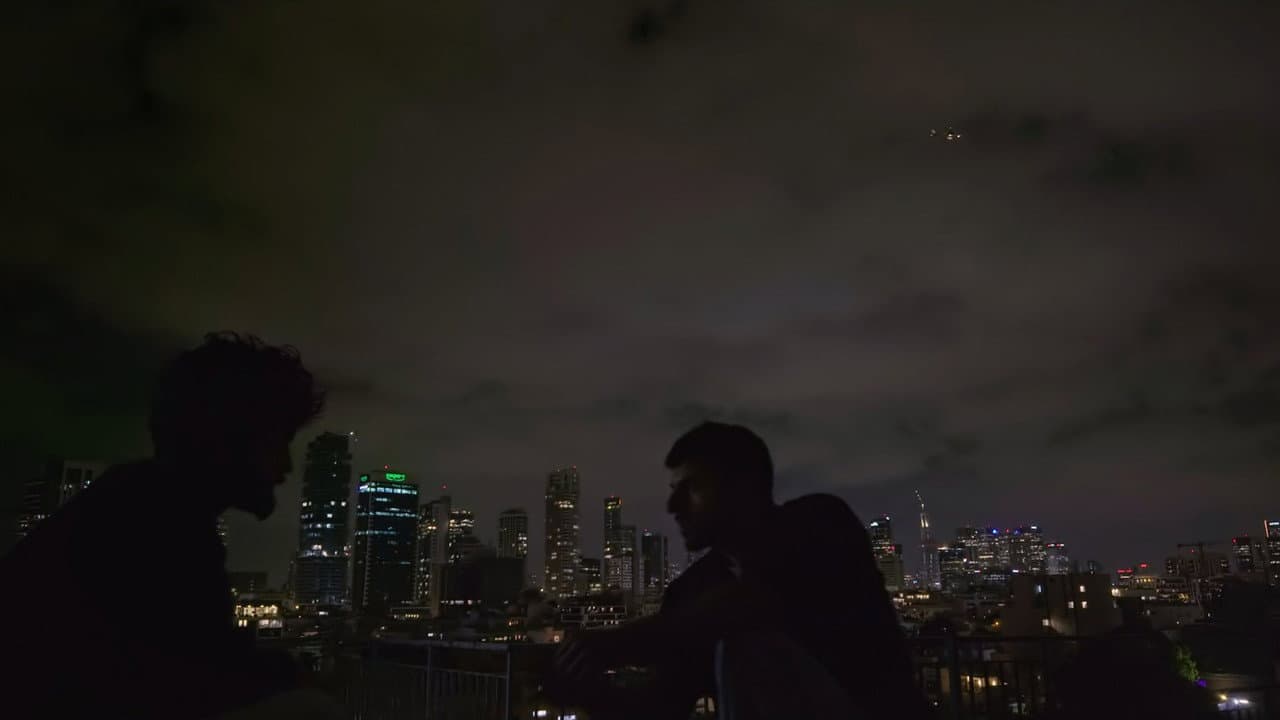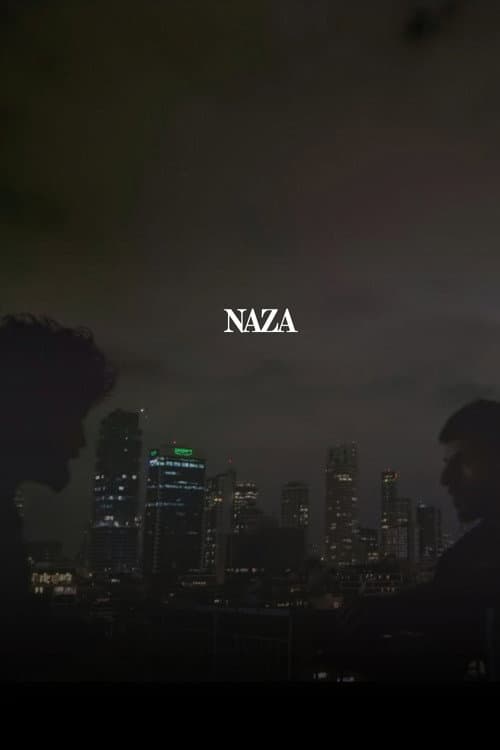
Israel's culture minister has threatened to strip the citizenship of the filmmakers behind "NAZA," the documentary that premiered just days ago and has already thrown the country's cultural establishment into open conflict. The warning, issued over the weekend, targets director Yuval Abraham and others associated with the 80-minute film, which uses nighttime rooftop conversations in Tel Aviv to lay out, in the words of the people who built and ran them, the systems behind what the film describes as Israel's calculated mass killing of Palestinian civilians in Gaza.
The release date - September 10, 2026 - put "NAZA" in front of audiences only three days before the citizenship threat landed, a timing that turned a festival-season documentary into a diplomatic and legal flashpoint. The film is an English-language Hollywood production, not a local Israeli release, a distinction that has done nothing to soften the political response in Jerusalem.
A Threat With No Precedent in Recent Memory
Revoking citizenship is an extreme measure, and its use against artists is rare enough that the minister's statement immediately prompted questions about whether the government has the legal footing to follow through. Citizenship revocation in Israel is typically reserved for cases involving fraud in obtaining status or serious security offenses, and legal analysts have already begun debating whether political speech - even speech as contentious as "NAZA" - can serve as grounds. No formal proceeding has been announced, and it remains unclear whether the threat is a genuine policy move or a pressure tactic aimed at deterring theaters and streamers from touching the film.
What is clear is the message the minister intended to send: that participating in a project like "NAZA" carries consequences extending beyond criticism, into the realm of legal status itself.
What the Film Actually Argues
"NAZA" is not a combat documentary in the conventional sense. Its structure is conversational and nocturnal - rooftop exchanges in Tel Aviv between Abraham and individuals who describe, from the inside, how the machinery of military decision-making functioned. The runtime is a tight 80 minutes, and the film's power comes from the absence of narration; the testimony does the work.
That approach has made the film difficult to dismiss as agitprop while simultaneously making it difficult for officials to attack on factual grounds without engaging with the testimony itself. The TMDb rating of 7.5/10 suggests audiences are responding, though the sample remains small given the film's release is only days old.
Abraham, who directed and appears as himself, is the central figure in the controversy. He has not issued a public statement in response to the citizenship threat. The film's producers have likewise stayed silent so far.
An Industry Watching Closely
Hollywood's involvement gives this story a dimension that a purely domestic Israeli controversy would lack. An English-language production with an American-facing release raises the question of whether the U.S. industry will weigh in - studios, guilds, and festivals have grown more willing in recent years to respond when filmmakers face government retaliation. So far, no major American entity has commented publicly.
The culture ministry's move also lands against a broader backdrop of tension between Israel's government and its own film community. Documentaries that travel internationally with critical perspectives have long been a source of friction, but the escalation from funding disputes and bureaucratic obstruction to citizenship threats marks a new threshold.
Distributors and exhibitors outside Israel now face a practical question: does screening "NAZA" invite any legal exposure for the filmmakers that could escalate further? The absence of a formal legal action makes that question hard to answer, which may be precisely the chilling effect the threat was designed to produce.
What Happens Next
No timeline has been given for any citizenship proceeding, and no charges have been filed. The ministry has not clarified what specific conduct it considers grounds for revocation, nor whether the threat extends to crew members, financiers, or international partners.
For now, "NAZA" continues to circulate - an 80-minute English-language documentary, released September 10, carrying a 7.5 rating and a political fight that has now outgrown the film itself. Whether the citizenship threat becomes a legal reality or remains a warning, it has already accomplished one thing: ensuring that a documentary built on quiet rooftop conversations is now the loudest story in the room.
Source: The Hollywood Reporter