The Israeli military has issued a formal rebuke of "NAZA," the new documentary from director Yuval Abraham, calling the film "distorted, misleading and disingenuous" in a statement released this week. The 80-minute film, which opened in U.S. theaters on September 25, has drawn sharp criticism from Israeli defense officials even as it continues to earn strong marks from audiences, holding a 7.9 out of 10 rating on TMDb.
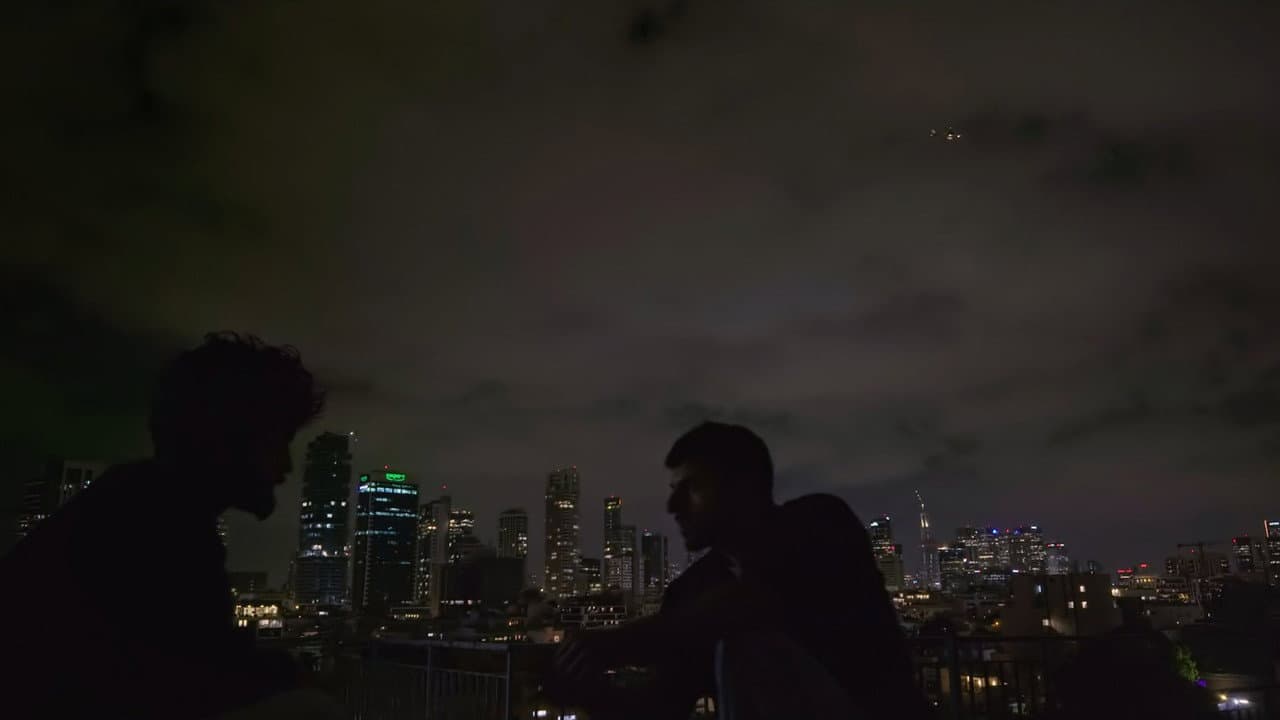
The dispute centers on the film's central claim: that it exposes the decision-making behind Israel's military campaign in Gaza through interviews with the people who built and ran those systems. According to its official synopsis, "NAZA" unfolds through secret nighttime conversations on Tel Aviv rooftops, where architects and operators of Israel's targeting apparatus describe how the campaign was constructed. The Israel Defense Forces rejects that characterization outright, arguing the documentary strips its subject matter of context and presents a skewed portrait of its operations.
A Director Known for Confrontational Work
Abraham, who appears in the film as himself, has built a reputation for documentaries that place him inside the story he is telling. He serves as both director and sole on-camera presence in "NAZA," guiding viewers through the rooftop encounters that form the film's narrative spine. His approach - embedding himself within the material rather than observing from a distance - has become a signature of his filmmaking, and it is precisely that intimacy that gives the IDF grounds for its complaint.
The military's objection is not merely to individual interviews but to the framing device itself. By presenting the testimony of former and current operators without what the IDF describes as proper operational context, the film allegedly leaves audiences with a false impression of how targeting decisions are made and reviewed. Military spokespeople have not indicated whether they will pursue any formal action beyond the public statement, and no legal steps have been announced.
A Theatrical Run That Defies Expectations
"NAZA" arrives in American cinemas at a moment when documentary releases rarely generate this kind of institutional pushback. The film's commercial footprint remains modest, but its cultural footprint is expanding. A 7.9 rating from TMDb users suggests that audiences who seek the film out are responding to it, even as the institutions it examines reject its conclusions. That gap between official condemnation and viewer reception has become a familiar pattern for documentaries dealing with contentious military subject matter.
The film runs a tight 80 minutes, a runtime that leaves little room for the kind of exhaustive contextualizing the IDF says is missing. Critics sympathetic to the military's position may seize on that brevity as evidence of selective editing, while supporters of the film will likely argue that concision is a virtue when the subject is this grim. Neither side is likely to move the other.
What the Dispute Reveals
Strip away the specific allegations and a larger question emerges: who gets to narrate the internal workings of a military campaign? "NAZA" stakes its claim on the testimony of insiders, people whose credibility rests on their proximity to the systems in question. The IDF counters that proximity does not equal understanding, and that testimony gathered in secret and presented theatrically cannot substitute for a full accounting. Both positions carry weight, and neither can be fully resolved by a press statement or a film review.
For American audiences, the controversy may serve as the primary introduction to the film. Documentary distributors have long understood that official condemnation can function as a marketing engine, and the IDF's language - "distorted, misleading and disingenuous" - is unusually blunt, the kind of phrasing that travels quickly on social media and in opinion pages. Whether that translates into ticket sales remains unclear, but it has already guaranteed that "NAZA" will be discussed far beyond the art-house circuit where it might otherwise have remained.
Abraham has not issued a public response to the IDF statement as of this writing. The film continues its theatrical run in the United States. For now, "NAZA" stands as a case study in the collision between documentary filmmaking and institutional power - a collision that shows no sign of resolving itself anytime soon.
Source: The Hollywood Reporter