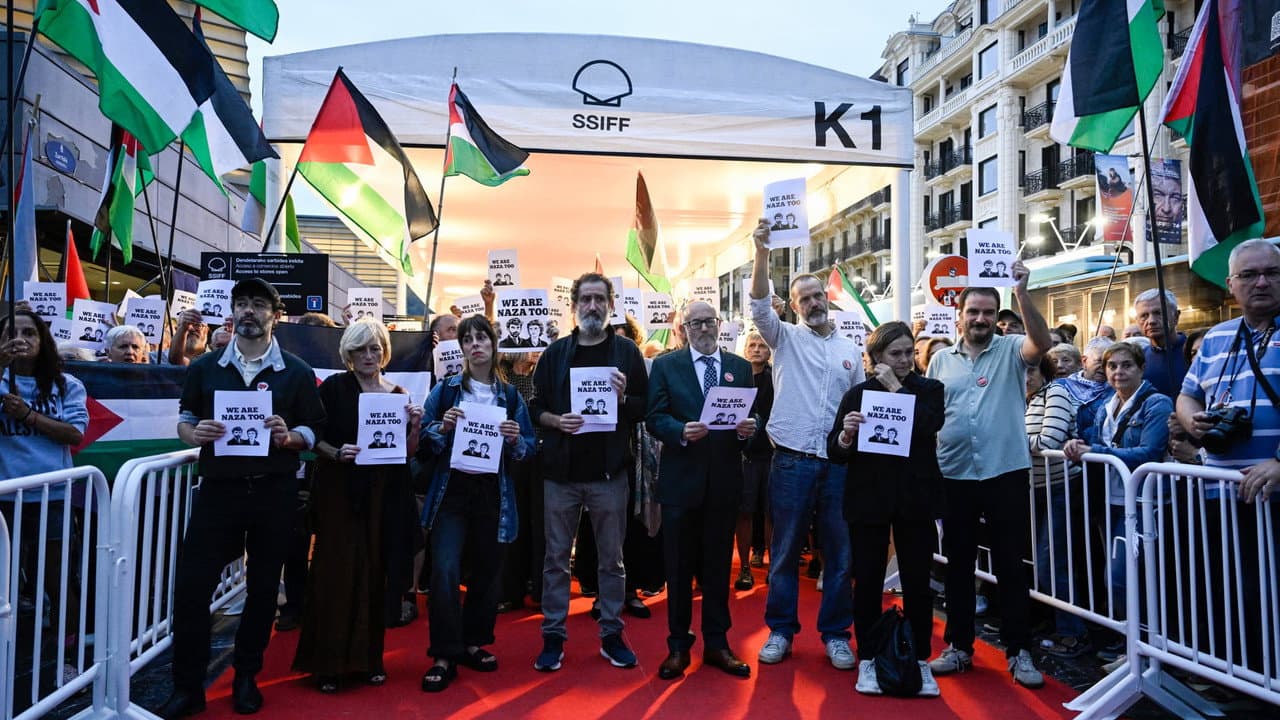



A coalition of Israeli-American activists gathered outside a Los Angeles theater on Thursday evening to protest a screening of "NAZA," the documentary directed by Israeli journalist Yuval Abraham that began its U.S. theatrical rollout on September 25. The demonstration, organized within days of the film's domestic release, reflects the deepening divide among Jewish and Israeli diaspora communities over how Israel's military campaign in Gaza should be depicted on screen - and who gets to narrate it.
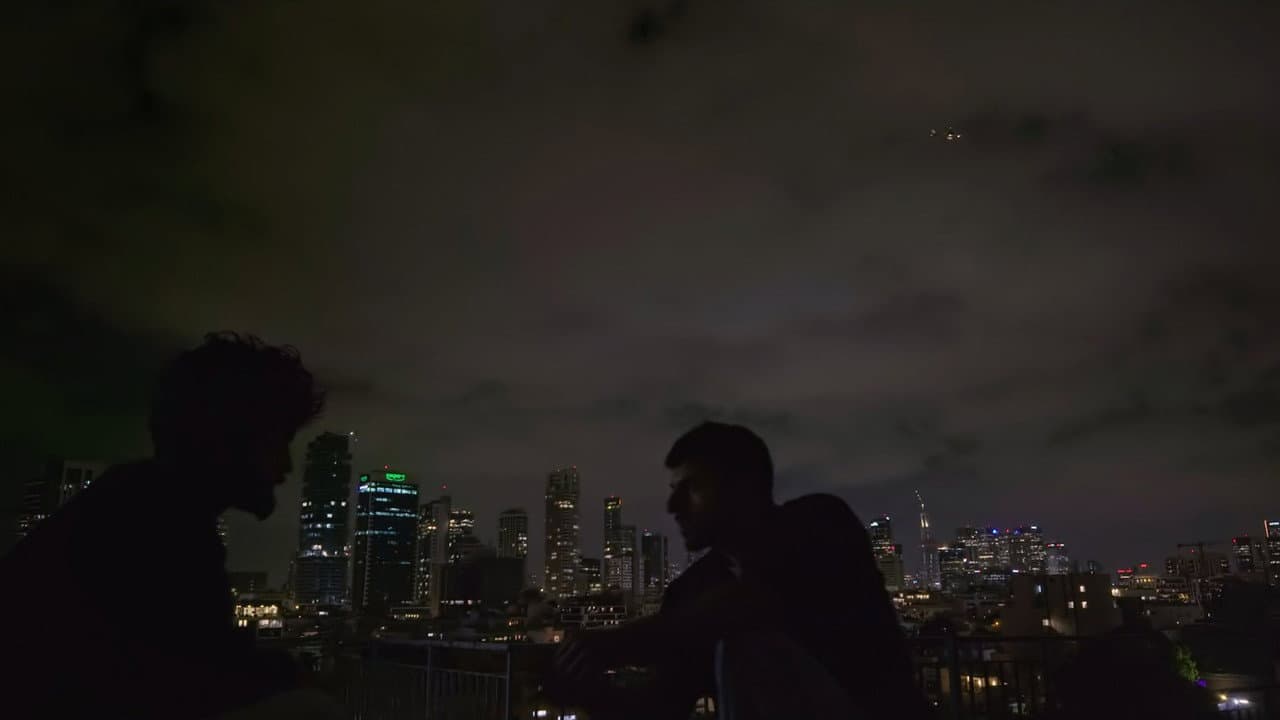
The 77-minute documentary, which has drawn an 8.12/10 rating on TMDb, unfolds through clandestine nighttime conversations conducted on Tel Aviv rooftops. In those exchanges, individuals who helped design and operate the systems behind what the film describes as Israel's calculated mass killing of Palestinian civilians in Gaza speak about their roles. Abraham appears in the film as himself.
Protesters outside the Los Angeles venue said they objected less to the documentary's subject matter than to what they characterized as its framing - a charge that has followed "NAZA" since its festival debut. Several attendees carried signs and spoke briefly with press, though organizers declined to provide a formal statement. Los Angeles police reported no arrests and described the gathering as peaceful, with counter-demonstrators arriving later in the evening.
The Los Angeles action is the latest in a string of similar protests that have shadowed the film's American run. In the weeks since the U.S. release, screenings in several cities have drawn organized opposition, while other showings have been introduced by local activists who praise Abraham's approach. Distributors have not commented publicly on the protests, and no theater has canceled scheduled screenings as a result of the demonstrations.
A Polarizing Voice in Israeli Media
Abraham is no stranger to controversy. The Israeli journalist and filmmaker has spent years reporting on Israel's military and political establishment from within, and his work has made him a divisive figure in Israeli public life. "NAZA" extends that project, using the anonymity of rooftop conversations to let architects and operators of military systems describe, in their own words, how decisions were made and carried out.
The film's English-language production and Hollywood backing place it firmly within the American documentary market, a positioning that has helped it reach audiences well beyond the festival circuit. Its theatrical release arrived without the aggressive marketing push typical of a wide rollout, suggesting a platform-style strategy aimed at major metropolitan markets - precisely the venues where protests have been most visible.
The documentary's title has itself become a point of contention. Without explaining its meaning, both supporters and critics have adopted "NAZA" as shorthand for the film's central argument, and the term has circulated widely on social media in the weeks since release.
A Community Splintered
For Israeli Americans, the film lands in an already charged environment. Since the war in Gaza began, diaspora communities in the United States have seen longstanding consensus fracture, with generational and political lines hardening. Public screenings of "NAZA" have become one of the few venues where those tensions play out face to face rather than online.
Protesters in Los Angeles framed their presence as an act of self-defense against what they see as a distorted portrait of their country. Others in the crowd, including some Israeli Americans who came to watch the film rather than picket it, argued the opposite: that the documentary gives voice to people inside the system and that suppressing it betrays the very democratic norms they say they are defending.
Neither side appeared interested in dialogue on Thursday. The two groups remained separated by a police line, trading chants at a distance before dispersing after the screening let out.
What Comes Next
"NAZA" continues its U.S. theatrical run in the coming weeks, with additional screenings expected in major markets. Whether the protests follow it from city to city remains an open question, but the pattern so far suggests the film will function less as a conventional documentary release than as a flashpoint - one that measures, in real time, how far apart Israeli and Israeli-American audiences have drifted.
For Abraham, the response is likely familiar territory. His journalism has long provoked the same mixture of admiration and anger now directed at his film. For American exhibitors, the calculation is simpler: a 77-minute documentary with a modest footprint has generated attention far beyond its scale, and that attention shows no sign of fading while the war it documents continues to be debated.
"NAZA" is now playing in U.S. theaters. It runs 77 minutes and is rated for mature audiences.
Source: The Hollywood Reporter