The documentary "NAZA," which reconstructs the internal architecture of Israel's military campaign in Gaza through the voices of the people who built and ran it, will begin rolling out in theaters worldwide on September 25, 2026, distributor representatives confirmed Thursday. The 80-minute film, directed by Yuval Abraham, arrives in cinemas roughly one year after its subject matter dominated international headlines, and it does so with an unusual marketing challenge: audiences already know the war, but the film argues they do not know how it was engineered.
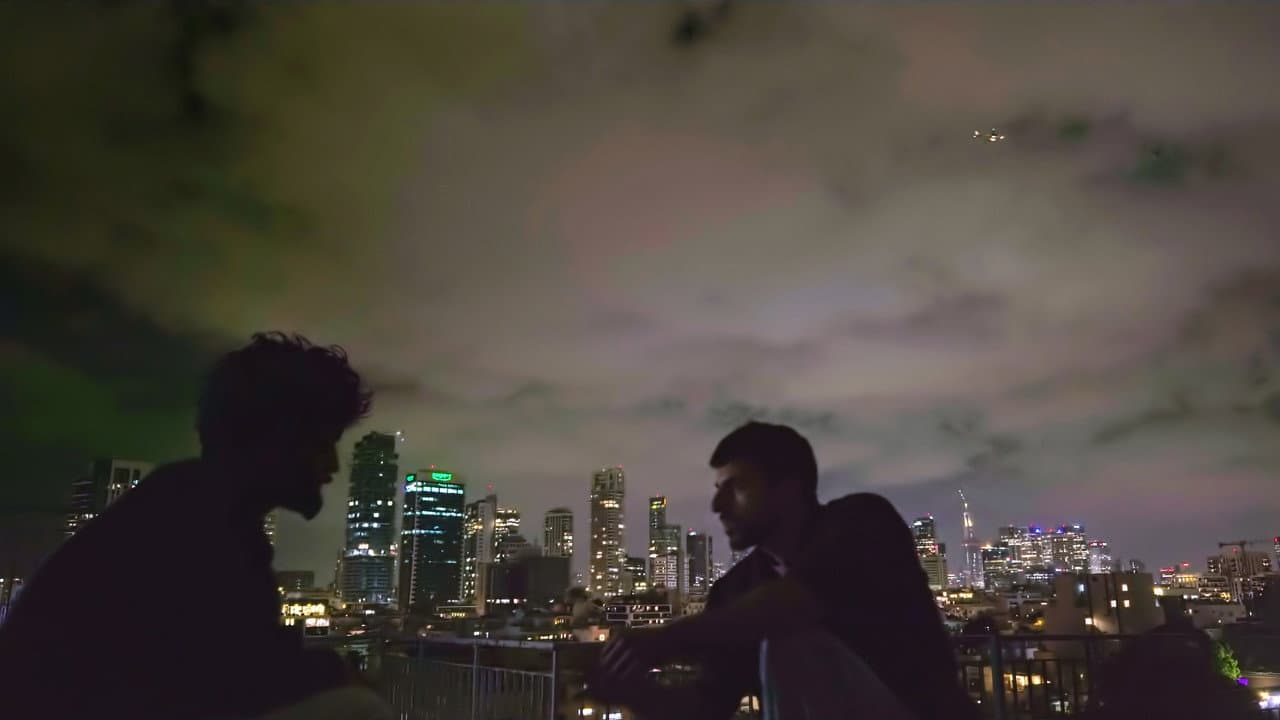
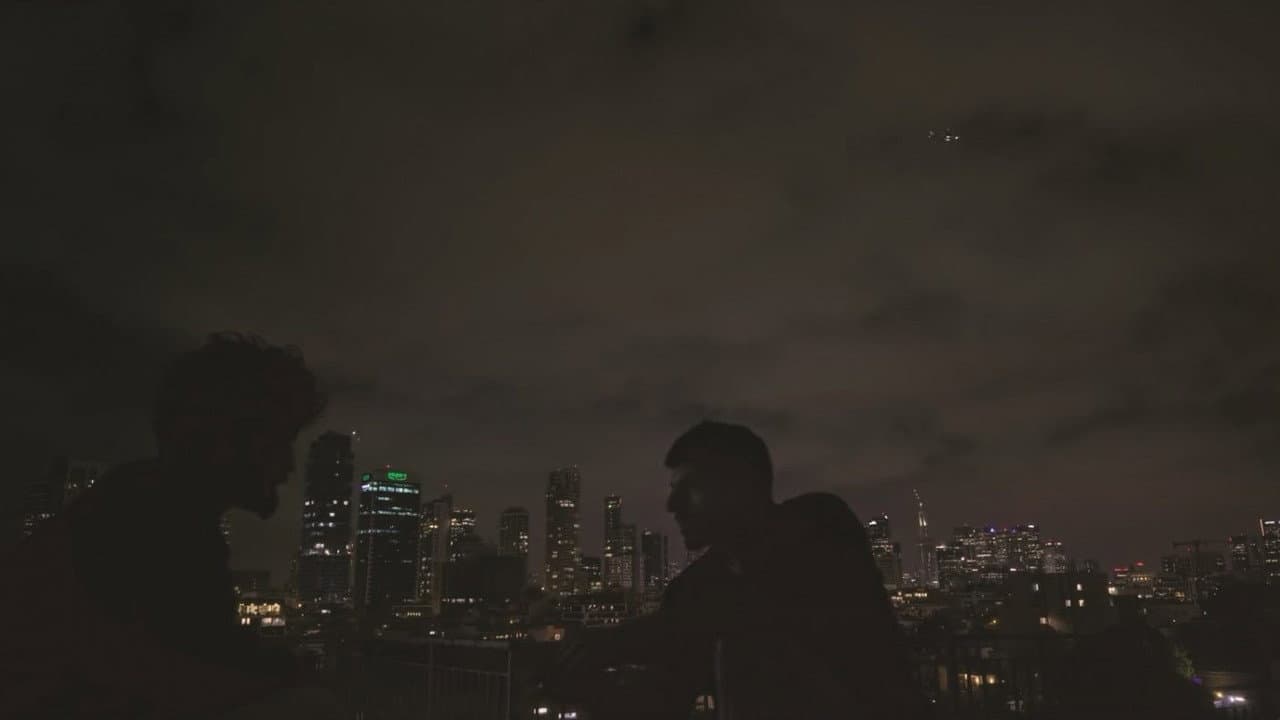
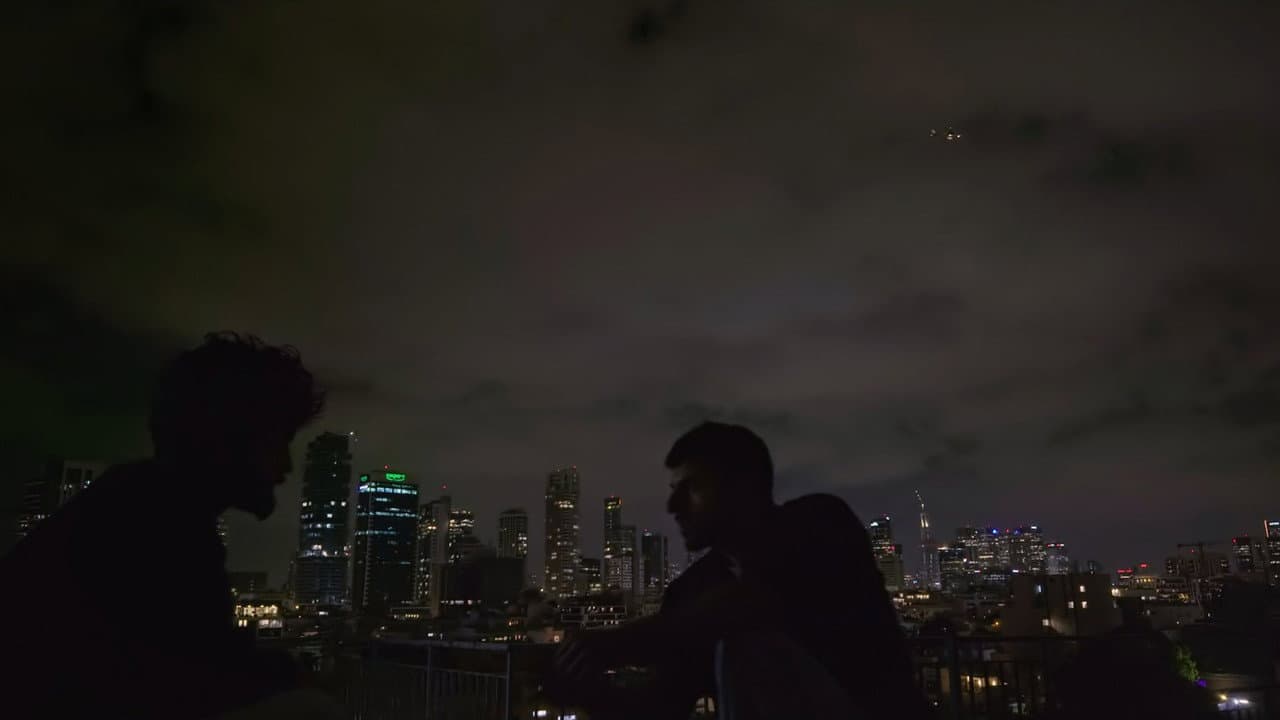
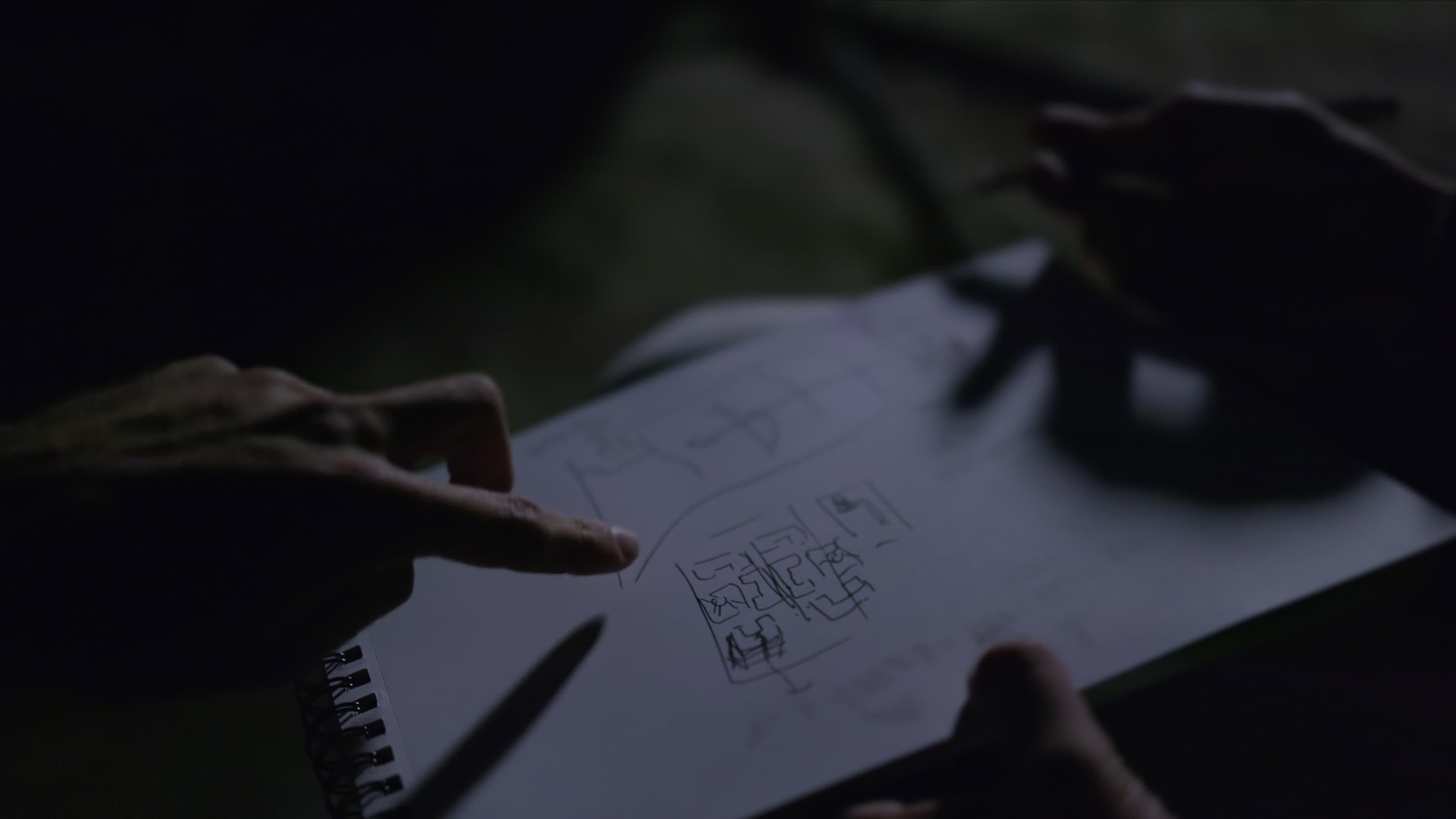
Abraham, who also appears on camera as himself, spent months conducting nighttime interviews on Tel Aviv rooftops, according to production notes. The settings were chosen deliberately - the director has said in festival panels that the conversations required a space where participants felt removed from formal institutional pressure. Those participants, described in the film's official synopsis as the designers and operators of the systems behind what it calls Israel's calculated mass killing of Palestinian civilians in Gaza, speak in English throughout. The film carries an English-language designation and is being positioned as a Hollywood production, a categorization that may surprise observers who associate the subject with Middle Eastern news bureaus rather than Los Angeles screening rooms.
A documentary built on testimony, not combat footage
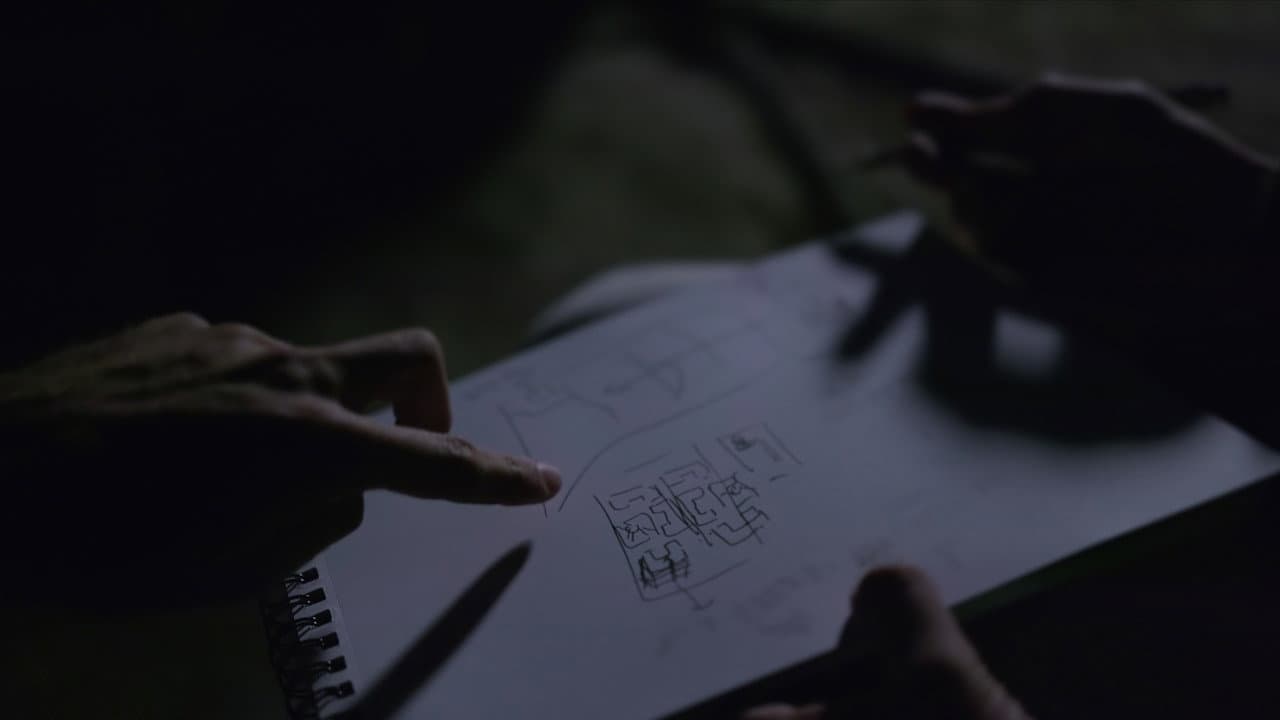
"NAZA" does not rely on the battlefield imagery that has defined most broadcast coverage of the conflict. Instead, it assembles what the filmmakers describe as a procedural record - explanations, from the inside, of how targeting decisions were made, how algorithmic tools were deployed, and how chains of command translated political objectives into operational outcomes. The film's title, which appears in promotional materials without an explanatory subtitle, functions as a code name of sorts; the synopsis declines to define it, leaving that work to the narrative itself.
The approach places "NAZA" in a lineage of documentaries that prioritize perpetrator testimony over victim testimony, a strategy that has drawn both praise and criticism when applied to other conflicts. Abraham's decision to appear in his own film rather than remain behind the camera adds a personal dimension that the synopsis hints at but does not fully describe. Audiences will see the director not just asking questions but navigating the ethical terrain of receiving answers from people who acknowledge their role in the events under examination.
Release strategy takes shape amid a crowded fall calendar
The September 25 date puts "NAZA" in direct competition with the traditional start of awards-season programming, when specialty distributors typically flood theaters with prestige titles. Representatives for the film declined to specify the number of screens or the territories included in what they called a global theatrical plan, but the phrasing suggests a platform rollout rather than a simultaneous worldwide saturation release. That model has become standard for politically charged documentaries seeking to build critical momentum before expanding.
The film's TMDb rating currently sits at 0/10, a figure that reflects the absence of aggregated audience votes rather than negative reception. Such placeholder scores are common for titles that have not yet screened publicly at scale. No festival premiere has been announced, though the production timeline - completed and dated for a September 2026 release - implies that a launch event may follow in the coming weeks.
What remains unclear is how "NAZA" will be received outside the festival and arthouse circuit. Documentaries about active conflicts often face distribution barriers in regions directly involved, and the film's explicit framing of its subject matter as a calculated campaign of mass killing positions it firmly on one side of a debate that has divided film festivals, awards bodies, and newsrooms since 2023. The filmmakers have not announced whether they will seek broadcast partners or streaming placement alongside the theatrical run, a decision that will significantly affect how many people actually see the rooftop conversations at the center of the project.
For now, the rollout proceeds on schedule. "NAZA" opens September 25, 2026, in English, at a theater count yet to be disclosed. Whether audiences accustomed to consuming this war in fragments - a clip here, a headline there - will sit through 80 minutes of the people who ran it explaining how it worked is the question the film's commercial fate ultimately rests on.
Source: The Hollywood Reporter