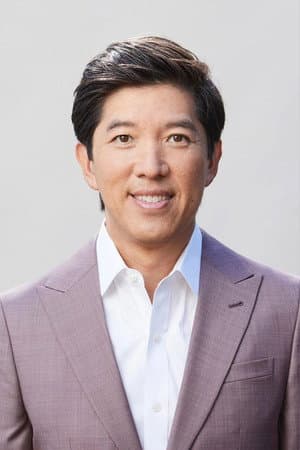
Dan Lin is out as Netflix's film chief, ending a tenure at the streamer's movie division that was closely watched across Hollywood as the company tried to turn its volume-driven film strategy into something with more consistent prestige and cultural weight. The departure, confirmed by the company, comes as Netflix continues to reshape how it develops, buys and releases feature films - a remit that has grown more complicated as rivals tighten their own streaming slates and theatrical windows remain a live debate inside nearly every studio.
Lin joined Netflix in 2024 after building a reputation as a producer behind franchises and family-friendly hits at his company Rideback, and he was handed one of the most scrutinized jobs in the industry: running a film operation that releases an enormous number of titles each year while chasing awards recognition and mainstream event movies at the same time. His exit lands at an unsettled moment for Netflix's film ambitions, with the company balancing cost discipline against the need for movies that can break through a crowded streaming landscape.
A Short Tenure With High Stakes
Lin's appointment was framed at the time as a signal that Netflix wanted a producer's producer - someone with deep relationships across talent, agencies and filmmakers - to steer its movie slate. He arrived with credits that included family and franchise fare, and his mandate was widely understood to include sharpening the quality of Netflix's original films while keeping the pipeline full enough to feed a global subscriber base accustomed to a steady stream of new releases.
That balancing act is rarely comfortable. Netflix releases far more feature films annually than any traditional studio, and its film leadership has long faced criticism from exhibitors and some filmmakers over theatrical access. Lin's tenure overlapped with continued experimentation in how the company positions its biggest movies, but the fundamental tension - between streaming-first distribution and the awards-and-theatrical ecosystem that many filmmakers still value - remained unresolved.
What the Shake-Up Signals
A change at the top of a studio's film division always invites speculation about strategy, and Netflix is no different. The company has been under pressure to demonstrate that its film spending produces results that justify the outlay - not just in viewing hours, which Netflix closely tracks, but in cultural relevance and awards-season traction. Lin's departure may reflect internal disagreement over how aggressively to pursue those goals, or it may simply be the kind of executive turnover that follows when a leadership transition doesn't settle into a stable rhythm.
For the creative community, the practical question is what happens to projects already in the pipeline and how quickly a successor is named. Filmmakers and talent representatives pay close attention to who holds the film reins at Netflix because the streamer remains one of the few buyers willing to finance mid-budget and adult-skewing dramas that traditional studios have largely abandoned. Any disruption in that pipeline can ripple across dozens of projects in development.
The Wider Industry Context
Netflix's film operation is not operating in a vacuum. Rival streamers have pulled back on original film spending, and legacy studios are recalibrating their own release strategies after years of pandemic-era disruption and labor unrest. In that environment, Netflix has positioned itself as a relatively stable buyer, though its appetite has never been unlimited. The company's film leadership has to weigh the cost of a big star-driven package against the return, which on a streaming service is measured differently than a box-office gross.
There is also the awards dimension. Netflix has spent years trying to win the best picture Oscar and has come close without closing the deal. Whoever takes over the film division will inherit that pursuit along with an extensive slate and a corporate culture that prizes data and speed. The job is among the most demanding in the business, and the turnover at the top of the division underscores how difficult it is to satisfy both the creative community and the company's bottom line.
What Comes Next
Netflix has not publicly detailed its timeline for naming a replacement, and the company is likely to keep its film slate moving in the interim. For now, the industry will be watching closely for clues about whether the next film chief will tilt Netflix further toward event movies, double down on prestige projects, or pursue a different balance entirely. Lin's exit is a reminder that even at the world's most powerful streaming service, the movie business remains an unpredictable and high-wire act - and that the people running it rarely get a long runway to prove themselves.
Source: The Hollywood Reporter