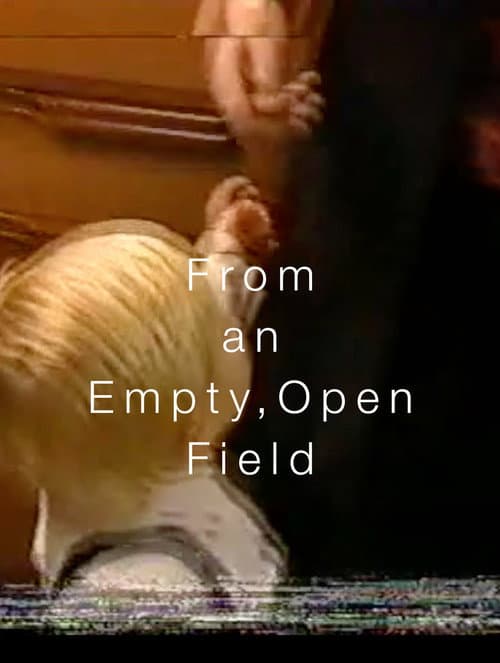
Netflix has unveiled an exclusive first look at "An Open Field," a three-minute short from director Jack Buchanan that transforms personal home video into a meditation on loss, grief and compassion. The film, described in its official synopsis as a "short filmpoem using digitised home video footage," arrives on the streamer with little advance fanfare but a clear emotional mandate: to find meaning in the ordinary moments families capture and rarely revisit.
The trailer, debuting exclusively through Netflix, offers a glimpse of that approach without revealing a conventional narrative. Rather than a plot, the preview leans on texture - the grain of aging tape, the softness of transferred footage, the small gestures of people who may no longer be present. It is a marketing pitch built on feeling rather than story, and it signals a project that sits deliberately apart from the usual Netflix original slate.
At just three minutes, "An Open Field" is shorter than a single scene of most features, yet its ambitions are evident in how it is being positioned. Buchanan, credited as director, works in an essayistic register here, assembling digitised family recordings into something closer to elegy than documentary. The title itself suggests expansiveness - a space to wander, to remember, perhaps to grieve without a fixed destination.
A Form That Resists Summary
The film's official description gives away almost nothing in the way of incident, and that appears intentional. "An Open Field" belongs to the tradition of the filmpoem, a hybrid form in which image and rhythm carry the weight that dialogue or plot would normally bear. By drawing on home video - the most intimate and least cinematic of materials - Buchanan places private memory at the center of the work.
That choice carries particular resonance in an era when families record more than ever and revisit less. Digitised home video is both abundant and fragile, prone to format decay and forgotten hard drives. Turning such footage into a film about loss makes a quiet argument: that the act of looking back is itself a form of care, and that compassion can begin with paying attention to what was almost discarded.
The trailer's exclusivity through Netflix also reflects how streamers have become unlikely homes for experimental short work. Where such films once circulated mainly through festivals and gallery spaces, a platform with Netflix's reach can put a three-minute filmpoem in front of audiences who would never encounter it otherwise.
A Director Working in Miniature
Buchanan's name is the only credited creative force listed for the project, and the available information offers no cast details - consistent with a film assembled from archival footage rather than staged performances. Whether the people on screen are the director's own relatives is not specified, but the intimacy of the material and the film's framing as a personal story of grief suggest a deeply autobiographical impulse.
Working at three minutes demands economy. There is no room for exposition, no space to explain who these people are or what has been lost. Instead, the film must trust its images and its pacing to carry the viewer toward recognition. That is a difficult discipline, and it is the kind of constraint that often produces the most affecting short-form work.
The film's genres are not categorized in its official metadata, which is fitting for a piece that slips between documentary, experimental cinema and personal essay. It is in English and originates within the Hollywood industry, though its scale and sensibility place it far from studio convention.
What the Trailer Withholds
Netflix's exclusive trailer does not attempt to sell "An Open Field" as a tearjerker with a tidy arc. It presents fragments - light, motion, the suggestion of faces - and lets the title do the interpretive work. The result is a preview that functions more like a tone poem than a commercial, inviting viewers to bring their own losses to the screen.
No release date has been announced, and the film carries no rating yet on TMDb, where it currently sits at 0 out of 10 - a reflection of how few viewers have encountered it rather than any measure of quality. For a project this small and this personal, that obscurity is likely to be temporary once Netflix's audience finds it.
What remains is the promise embedded in the premise: a filmmaker sifting through digitised remnants of a life, shaping them into three minutes of compassion. In an industry increasingly fixated on scale, "An Open Field" proposes something quieter - that grief, handled with care, can be its own kind of cinema.
Source: The Hollywood Reporter