New Regency has filed suit against Michael Mann in an effort to hold onto the rights to Heat, the 1995 Los Angeles crime epic that the filmmaker directed and co-wrote. The legal action, confirmed on Friday, November 13, 2026, puts the studio and the director on opposite sides of a property they built together three decades ago.
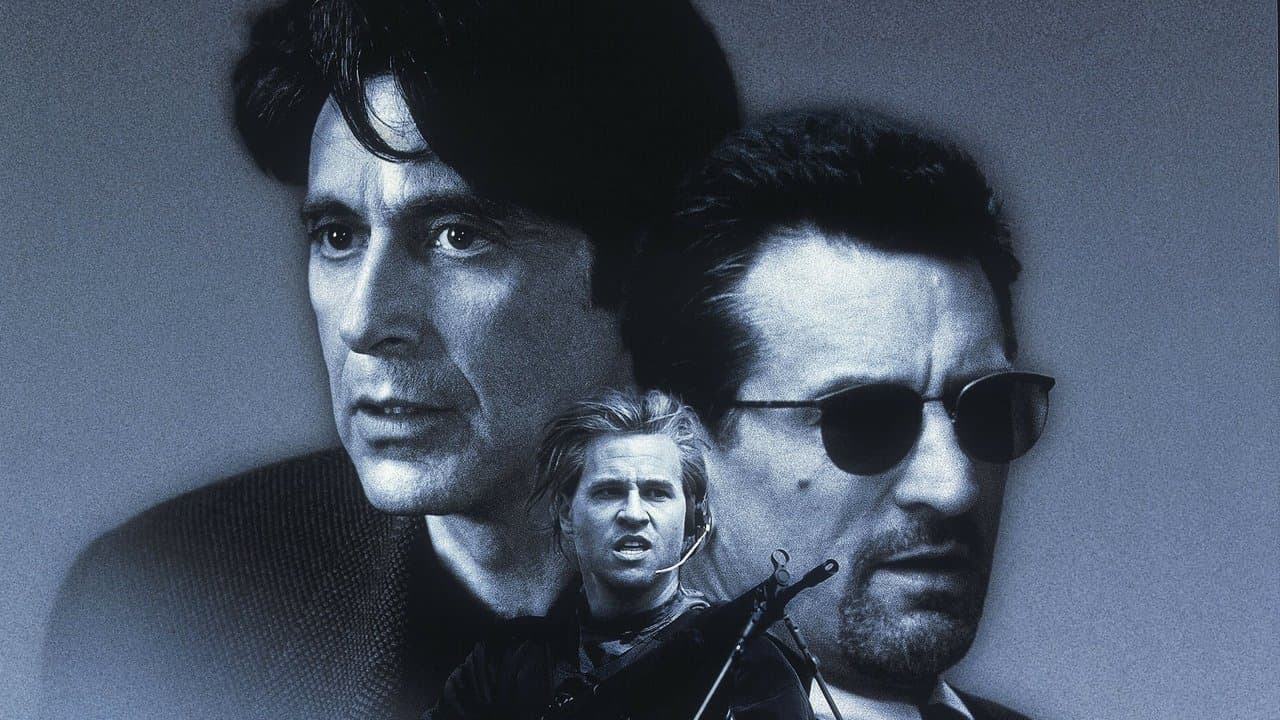
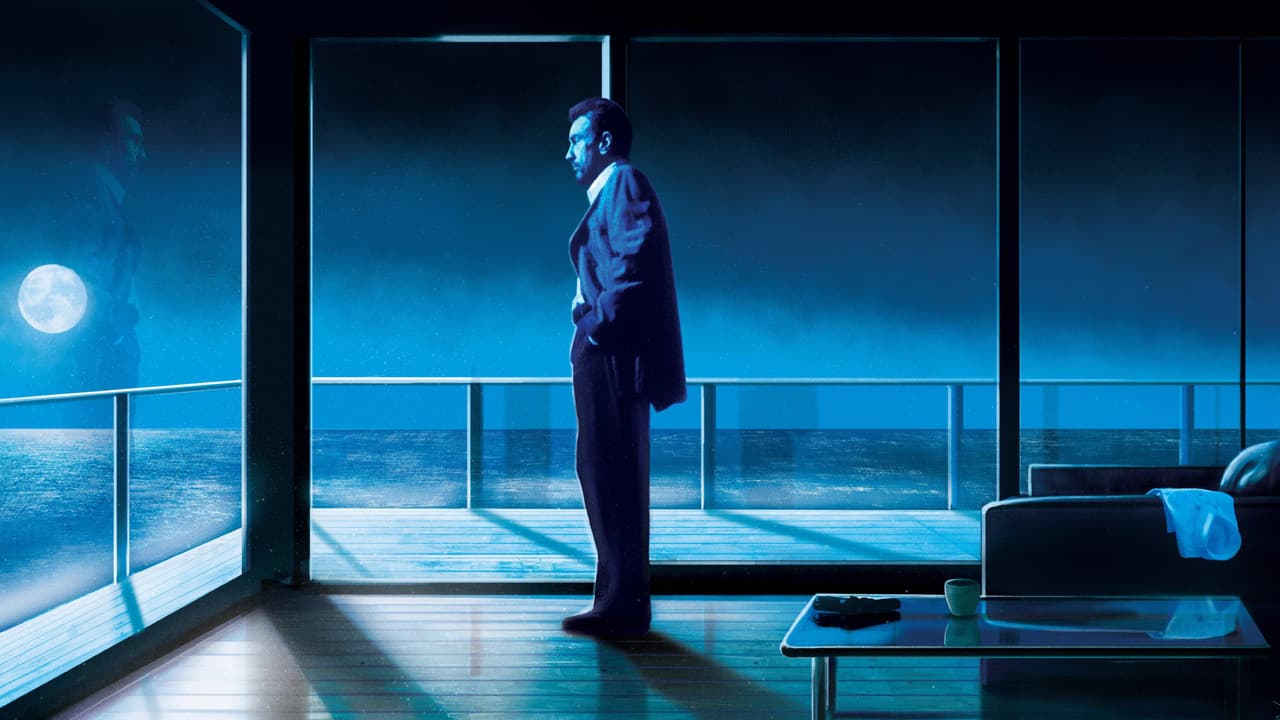
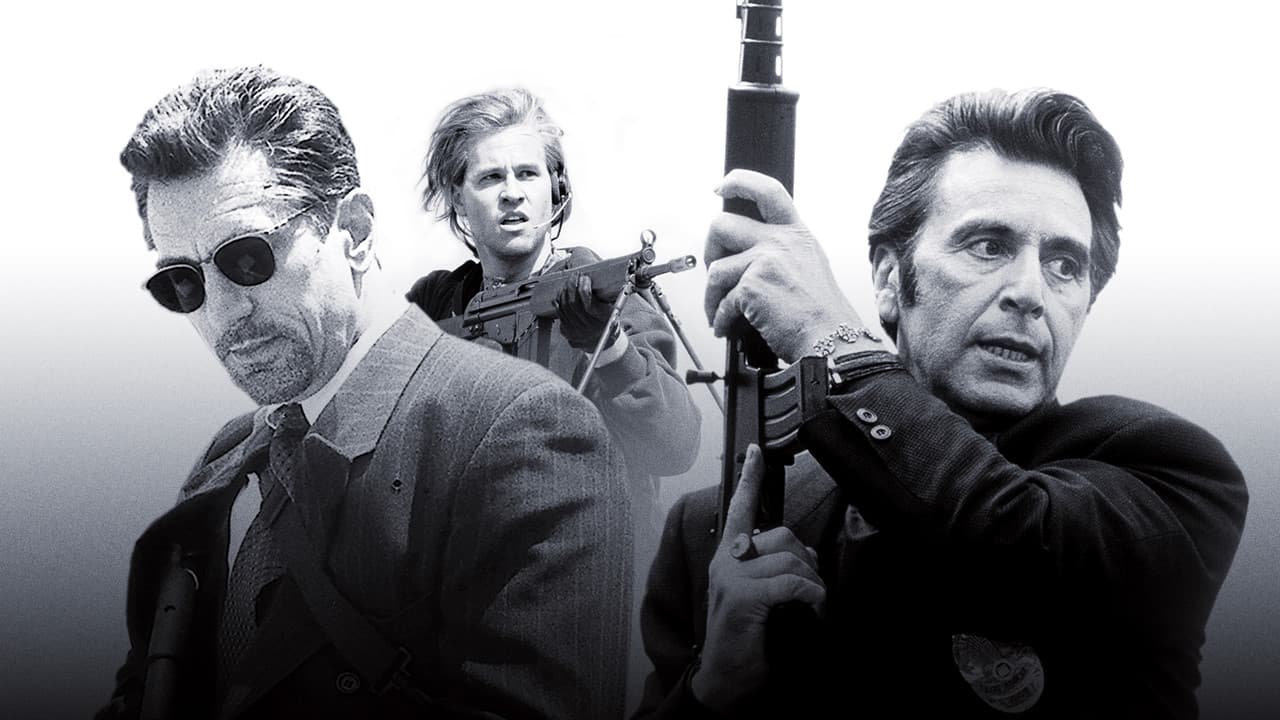
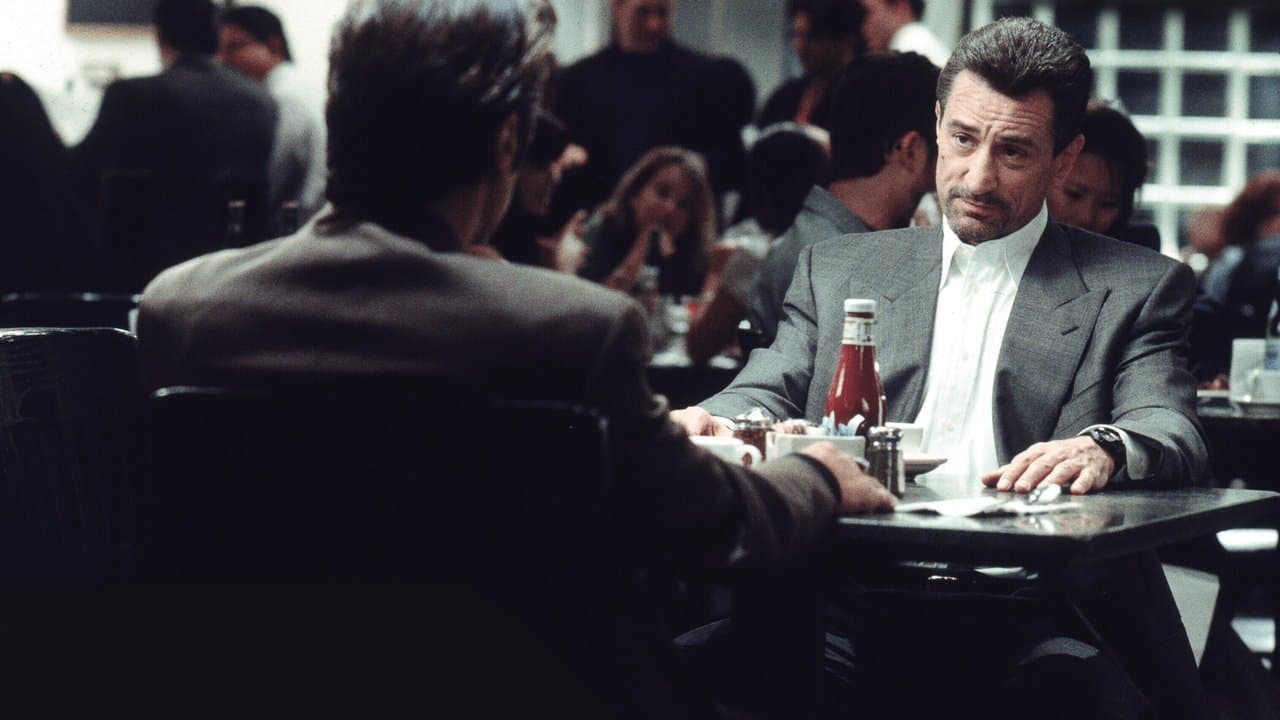
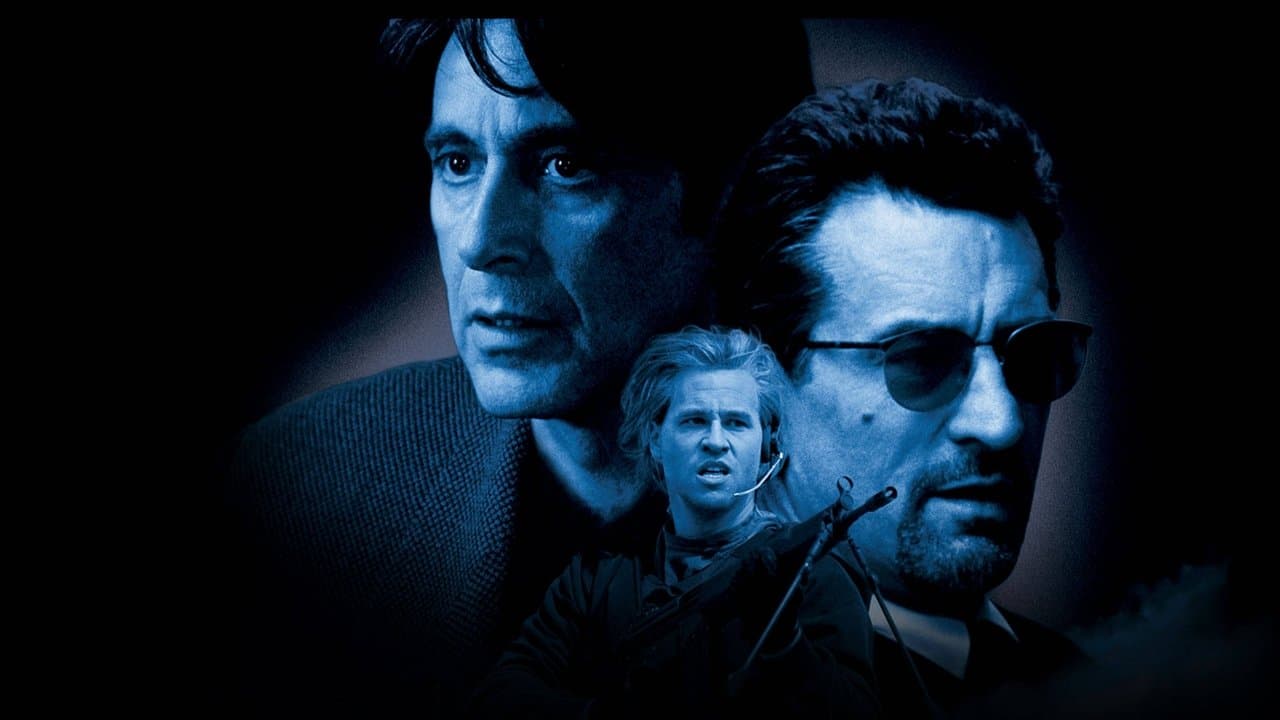
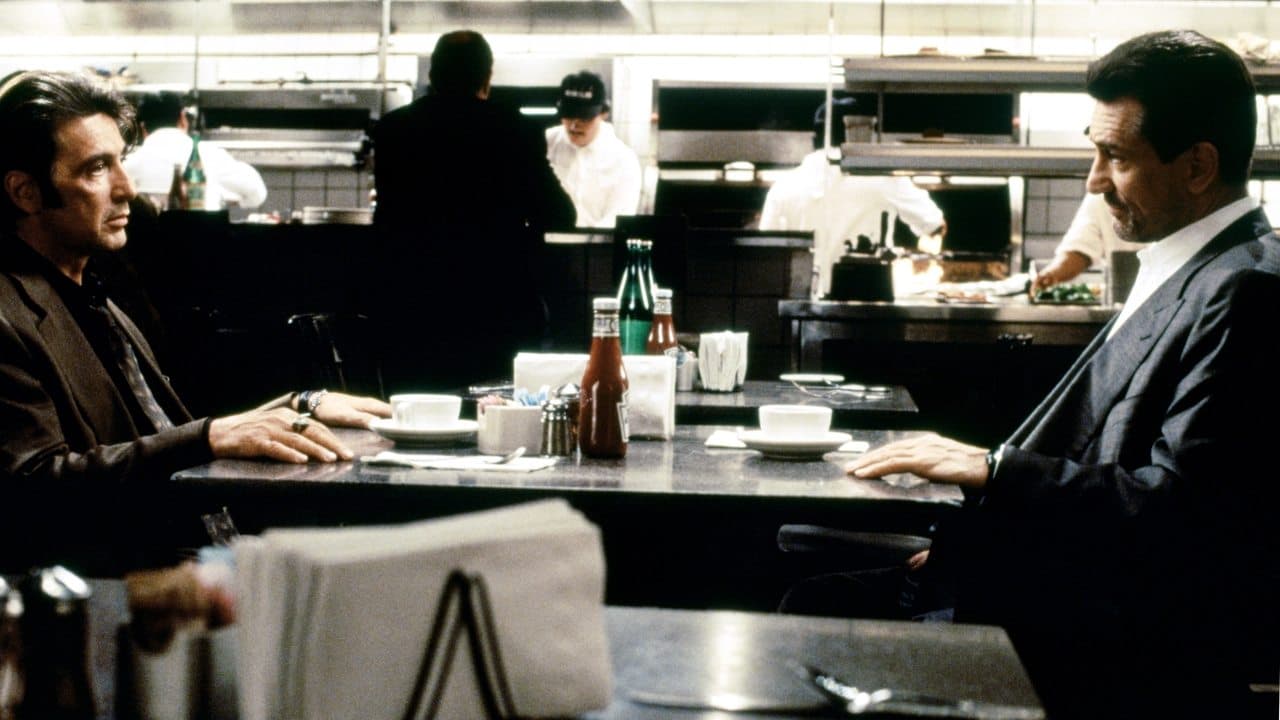
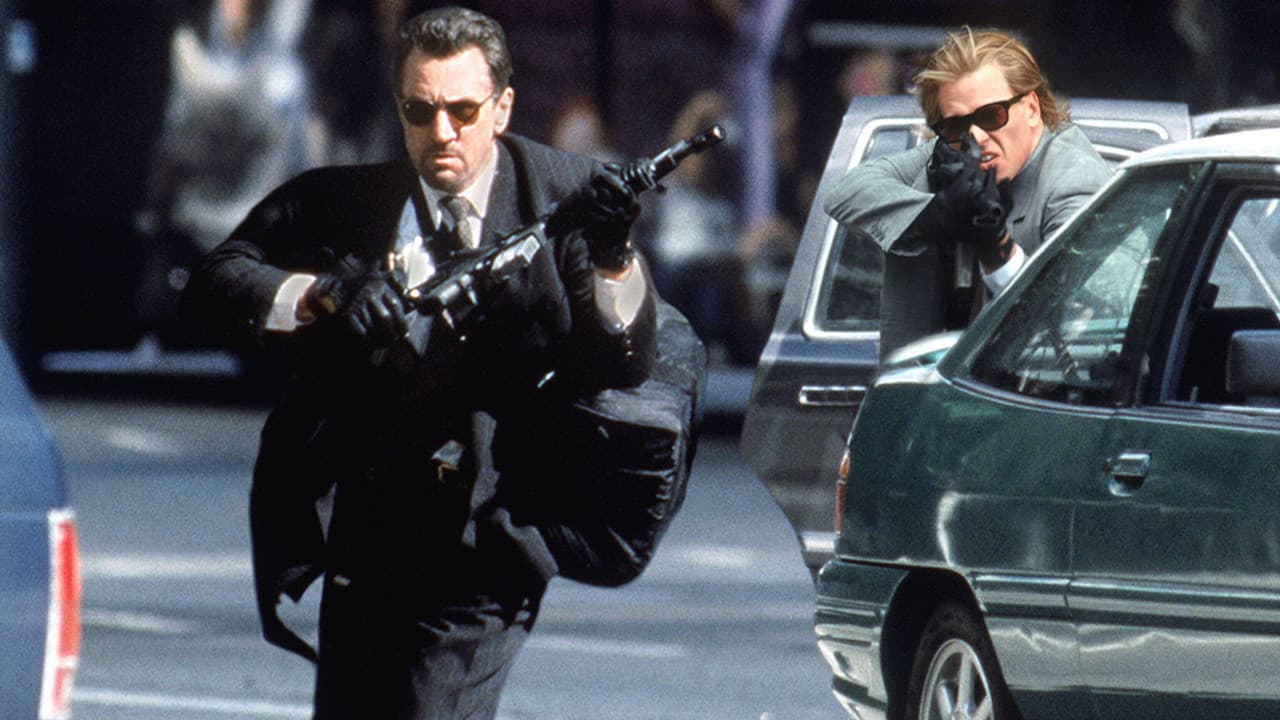
At issue is control of a title that has only grown more valuable with time. Heat stars Al Pacino as Lt. Vincent Hanna, a detective who pursues his quarry without pause, and Robert De Niro as Neil McCauley, a master thief whose crew stages a series of daring heists across Los Angeles. The two men come to recognize and respect each other's skill and commitment even as they understand their cat-and-mouse game may end in violence.
A Durable Crime Saga
Released on December 15, 1995, Heat runs 170 minutes and pairs its central rivalry with a deep supporting bench: Val Kilmer as Chris Shiherlis, Jon Voight as Nate, Tom Sizemore as Michael Cheritto, Diane Venora as Justine, Amy Brenneman as Eady and Ashley Judd as Charlene Shiherlis. The film blends crime, drama and action into a single sprawling narrative, and audiences have kept it in high regard for thirty years.
The numbers tell a steady story of affection rather than a spike of nostalgia. On IMDb the film holds an 8.3 rating out of 10, and on TMDb it sits at 7.948 out of 10. Few studio titles from the mid-1990s carry that kind of consensus, and fewer still remain central to their director's identity. Heat is routinely discussed as the fullest expression of Mann's preoccupations, which makes the question of who ultimately controls it more than a routine contract dispute.
For New Regency, the film is both a piece of library value and a piece of history; for Mann, it is arguably his signature work. That combination tends to produce litigation with real stakes rather than a quiet settlement.
Why the Rights Matter Now
Neither side elaborated on the specifics of the disagreement, and the filing does not make clear precisely which rights are contested or how the parties' agreements have been read in the years since release. What is clear is that a thirty-year-old film does not generate a lawsuit on a whim. Heat remains an active property - screened, streamed and discussed - and any shift in who holds decision-making authority over it touches everything from future distribution to potential new uses of the material.
A Career-Defining Credit
Mann wrote and directed the film, and his name has been inseparable from it since 1995. The cast list reads like a survey of the era's strongest character actors: Pacino and De Niro at the center, with Kilmer, Voight, Sizemore, Venora, Brenneman and Judd filling out a ensemble that gave the story its texture. The contrast between Hanna's relentless professional discipline and McCauley's tightly run operation is the engine of the movie, and it is the reason the title has outlasted most of its contemporaries.
That durability is the backdrop for the dispute. A film with a 170-minute runtime and a thirty-year reputation is not a title anyone walks away from easily. New Regency's suit signals that the company intends to defend its position rather than cede ground, and Mann has never been a filmmaker inclined to surrender control of his work quietly.
What Comes Next
The immediate effect is procedural: a complaint has been filed, and the matter now moves into a phase of filings, responses and likely negotiation. No hearing date has been announced, and representatives for New Regency and Mann did not provide further comment beyond confirming the action.
For now, Heat remains available to audiences, and its reputation is untouched by the legal maneuvering. Neil McCauley's rule in the film was to walk away from anything he could not leave behind, but that principle belongs to the character, not the people who made him. New Regency and Michael Mann appear to have decided the opposite: this is a film worth staying for.
Source: The Hollywood Reporter