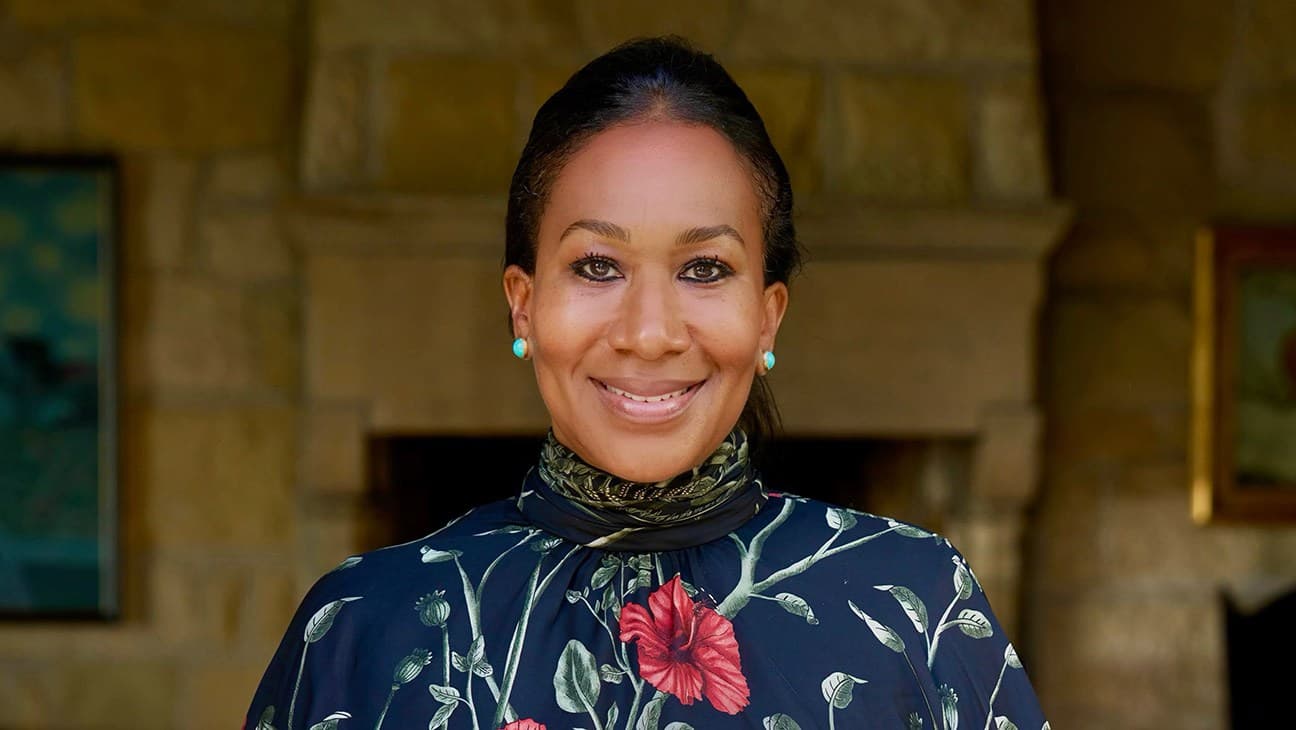
Nicole Avant will be honored with the Visionary Producer Award at the Bahamas International Film Festival, adding another distinction to a career that has moved fluidly between diplomacy, philanthropy and Hollywood.
The award recognizes Avant's work as a producer, including her stewardship of the Netflix documentary "The Black Godfather," which chronicled the life and influence of her father, music executive Clarence Avant. The film, directed by Reginald Hudlin, became a widely discussed cultural document upon its release, tracing Clarence Avant's behind-the-scenes role in shaping careers across music, politics and sports.
For Nicole Avant, producing has never been a purely commercial pursuit. Her projects tend to carry a sense of purpose, whether documenting overlooked history or creating space for stories that might otherwise go untold. That instinct is part of what the Bahamas festival is choosing to celebrate.
Avant's path to producing was hardly conventional. She served as the United States Ambassador to the Bahamas under President Barack Obama, a role that gave her deep ties to the islands where the festival is held each year. Those connections make the honor a homecoming of sorts, placing her among a film community she has known and supported for years.
Her producing credits sit alongside a parallel career as an author and advocate. Her memoir, "Think You'll Be Happy," explored grief, resilience and family legacy, and it reinforced the public image of a figure who works across sectors rather than within a single lane. In Hollywood, that breadth has made her a distinctive presence - someone who can convene talent, institutions and money around a project with a clear point of view.
The Bahamas International Film Festival has built a reputation for spotlighting independent cinema and international voices, and its awards often go to figures whose careers reflect a commitment to storytelling beyond the mainstream. Placing Avant in that tradition fits the festival's pattern of honoring producers whose influence extends well past a single title.
Producers rarely receive the spotlight that directors and stars command, but awards like this one serve as a corrective. A producer's job is to will a project into existence - to assemble financing, talent and timing - and Avant's record shows a producer who chooses material with intention. The Visionary Producer Award title suggests the festival is recognizing not just output but judgment.
The timing of the honor also lands during a period when documentary filmmaking continues to expand its cultural footprint. Streaming platforms have made nonfiction storytelling a central part of their libraries, and producers who can navigate that landscape while maintaining creative integrity have become increasingly valuable. Avant's work on "The Black Godfather" positioned her at that intersection, delivering a personal story with broad resonance.
Festival honors of this kind often carry practical weight as well, drawing attention to honorees' upcoming projects and reinforcing relationships within the industry. For Avant, the award arrives as she continues to develop material through her production company, and the visibility can only help as she looks to finance and launch future films.
It is also a moment for the Bahamas festival itself to highlight its ties to a figure with genuine roots in the region. Festivals in smaller markets compete for attention against larger gatherings, and honoring a producer with both international standing and local connections serves the event's identity on multiple fronts.
What the award ultimately underscores is a career built on range. Avant has been a diplomat, an author, a philanthropist and a producer - roles that might seem disparate but share a common thread of convening people and persuading them to move in the same direction. That is, in essence, what a producer does.
Whether the Bahamas honor will be followed by similar recognition elsewhere remains to be seen, but it places Avant in a category of producers whose names are increasingly recognized by audiences, not just by the industry. In a business that tends to celebrate what appears on screen, that shift toward honoring the people who make it possible is a welcome one.
Source: The Hollywood Reporter