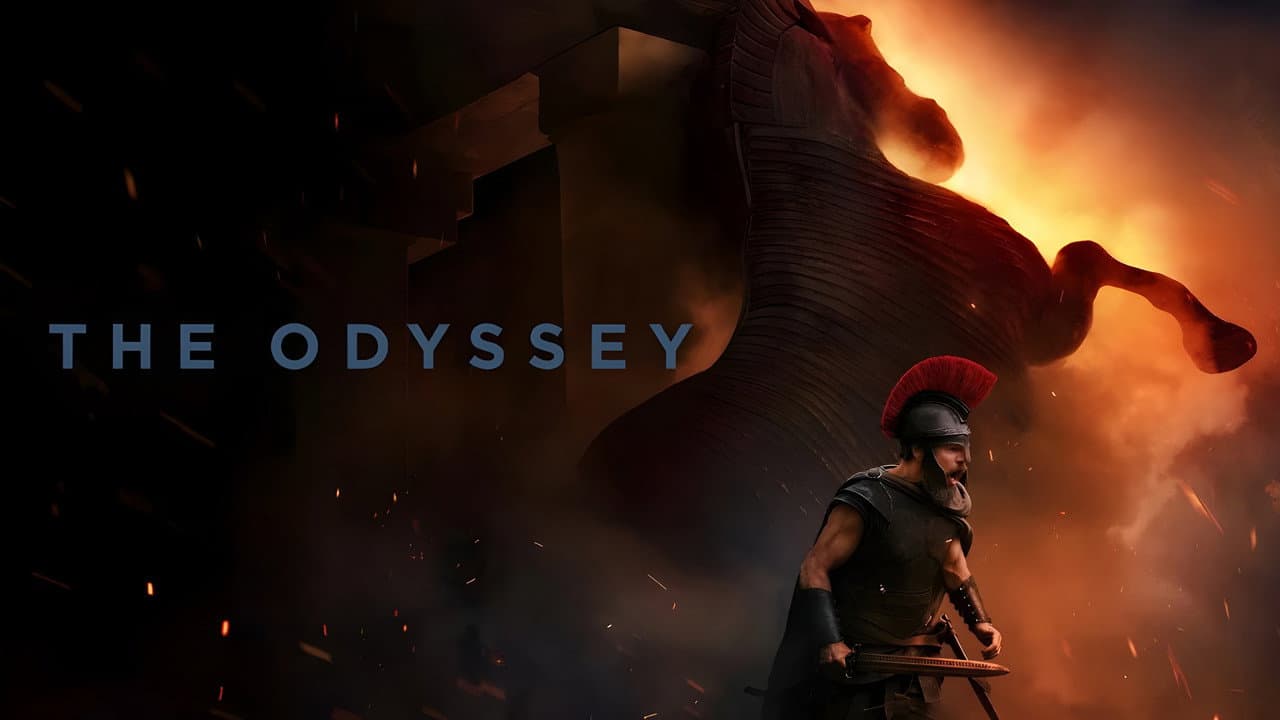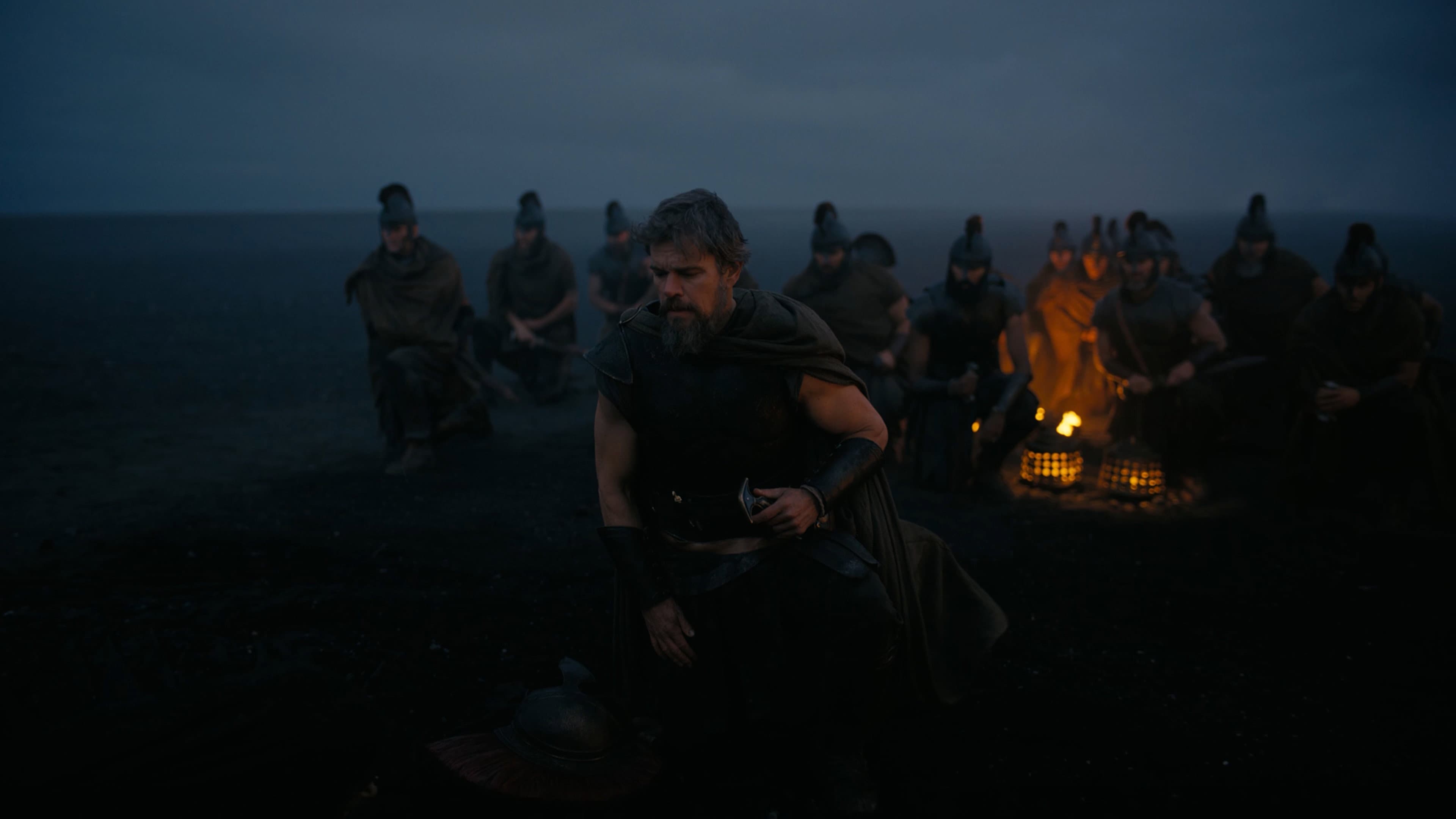
Christopher Nolan's mythological epic "The Odyssey" has officially become Universal Pictures' highest-grossing film of all time, overtaking the studio's own "Jurassic World" to claim the record. The milestone caps a remarkable summer run for the adaptation of Homer's ancient poem, which has been in theaters since its July 15 release and continues to draw audiences well into September.
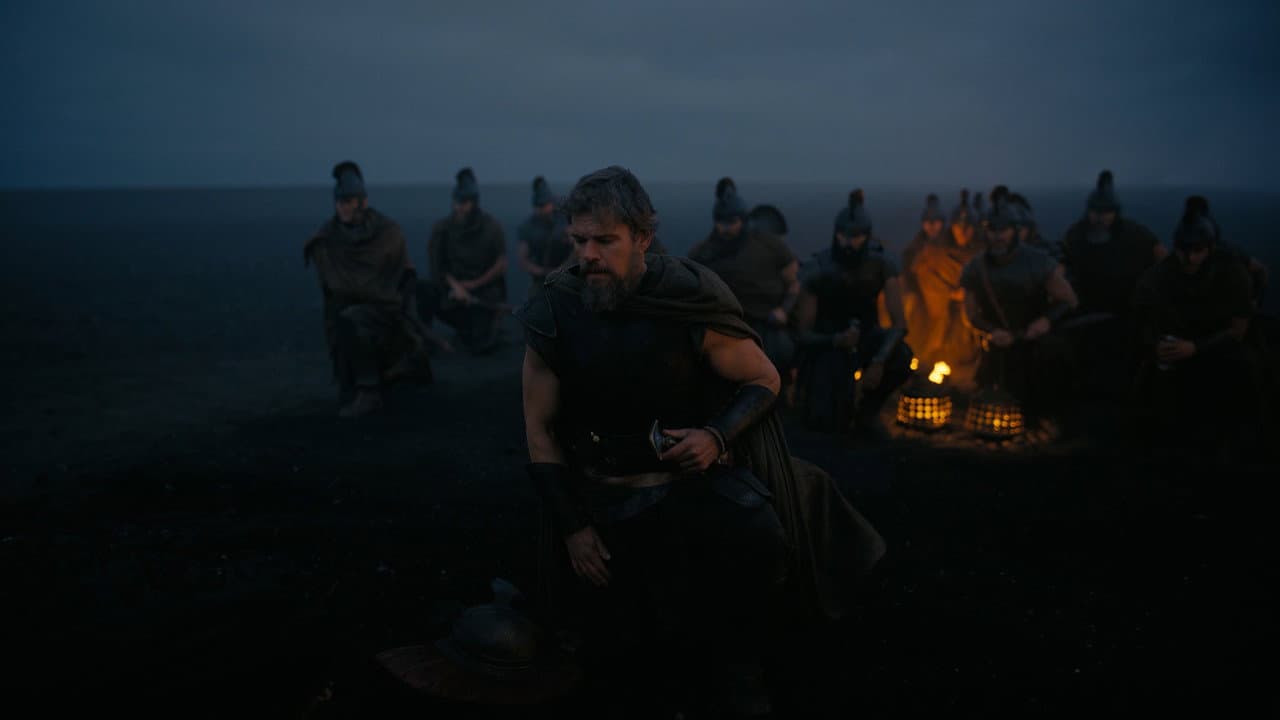
The film stars Matt Damon as Odysseus, the legendary King of Ithaca, whose decade-long voyage home after the Trojan War forms the spine of the story. Nolan assembled an unusually deep ensemble around his lead: Tom Holland plays Odysseus's son Telemachus, Anne Hathaway portrays his wife Penelope, and Robert Pattinson appears as Antinous, the most aggressive of the suitors pressing Penelope during her husband's absence. Charlize Theron takes the role of the goddess Calypso, Himesh Patel plays the crew member Eurylochus, John Leguizamo is Eumaeus, and the musician Travis Scott rounds out the cast as Bard.
A Record Built on Staying Power
What makes the achievement notable is not a single explosive opening but the film's endurance. In an era when most wide releases are judged by their first three days, "The Odyssey" has held screens through late summer and into early autumn, a pattern that recalls the word-of-mouth runs of Nolan's earlier work. The TMDb rating currently sits at 8.007 out of 10, a strong figure for a large-scale studio production and one that suggests audiences have responded to the film's mix of spectacle and introspection.
At 173 minutes, the movie asks a significant time commitment from viewers, yet that runtime has clearly not deterred them. Universal's decision to hand Nolan a property this familiar and this expansive now looks like one of the most profitable bets the studio has made in years.
The Material That Took Decades to Crack
Homer's "Odyssey" has long been considered difficult to adapt. Its structure is episodic rather than linear, its hero spends much of the story as a captive or a castaway, and its emotional payoff depends on recognizing a man who has been changed by twenty years of war and wandering. Previous screen versions have generally narrowed the scope, focusing on a single episode or a single relationship.
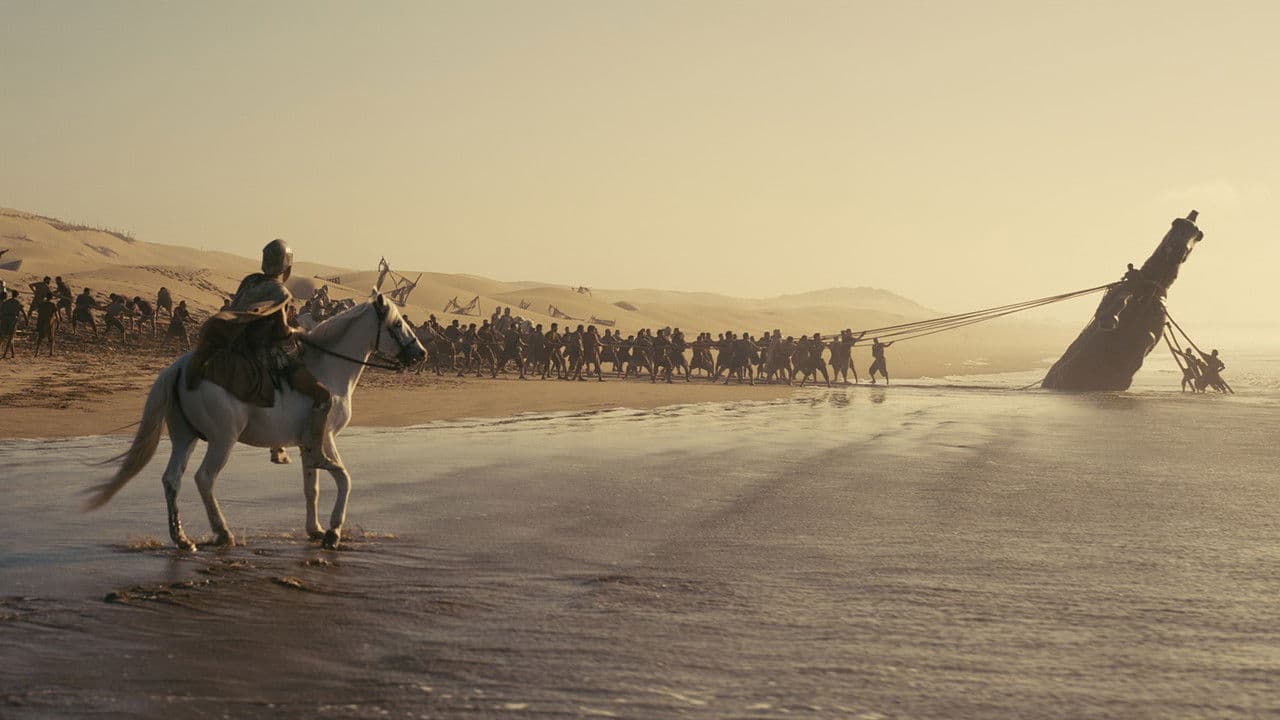
Nolan's version instead embraces the full sweep described in the film's official overview: Odysseus confronts the whims of gods, mythological monsters, and trials that stretch both his cunning and his humanity to the breaking point. That framing positions the movie less as a monster-of-the-week adventure and more as a study of a man being steadily worn down by forces larger than himself. The director's interest in time, memory, and obligation, themes that have run through his filmography, map naturally onto a story about a journey that keeps being extended.
Damon at the Center
Damon's casting as Odysseus was announced with some surprise, given that the actor's best-known work leans toward contemporary thrillers and dramas rather than myth. But the role depends on a specific quality: a man who is clever enough to survive and exhausted enough to doubt whether survival is worth it. Damon has spent much of his career playing capable men under pressure, and early reactions suggest the fit has landed with audiences.
Around him, the film benefits from performers who can make brief appearances feel substantial. Theron's Calypso and Patel's Eurylochus are the kinds of parts that can vanish in a long epic, but the ensemble structure that interested Nolan appears to have given each figure a distinct weight.
What the Record Means for Universal
Surpassing "Jurassic World" is a symbolic as well as a financial victory for the studio. That franchise represented the reliable, merchandise-friendly blockbuster model that has dominated Hollywood for more than a decade. "The Odyssey" is a different kind of bet: a literary adaptation with a serious director, a long runtime, and no built-in toy line. Its success suggests that audiences will still turn out for material that predates the modern franchise era by roughly three thousand years, provided the execution justifies the scale.
The film's genre classification as adventure, action, and fantasy reflects how Universal has positioned it in marketing, but the underlying property is one of the foundational texts of Western literature. That combination of prestige and mass appeal is rare, and the studio now has a template it may be tempted to repeat.
Whether "The Odyssey" adds to its total in the weeks ahead remains to be seen. What is already settled is the headline: Odysseus has sailed past the dinosaurs, and Universal has a new champion.
Source: The Hollywood Reporter