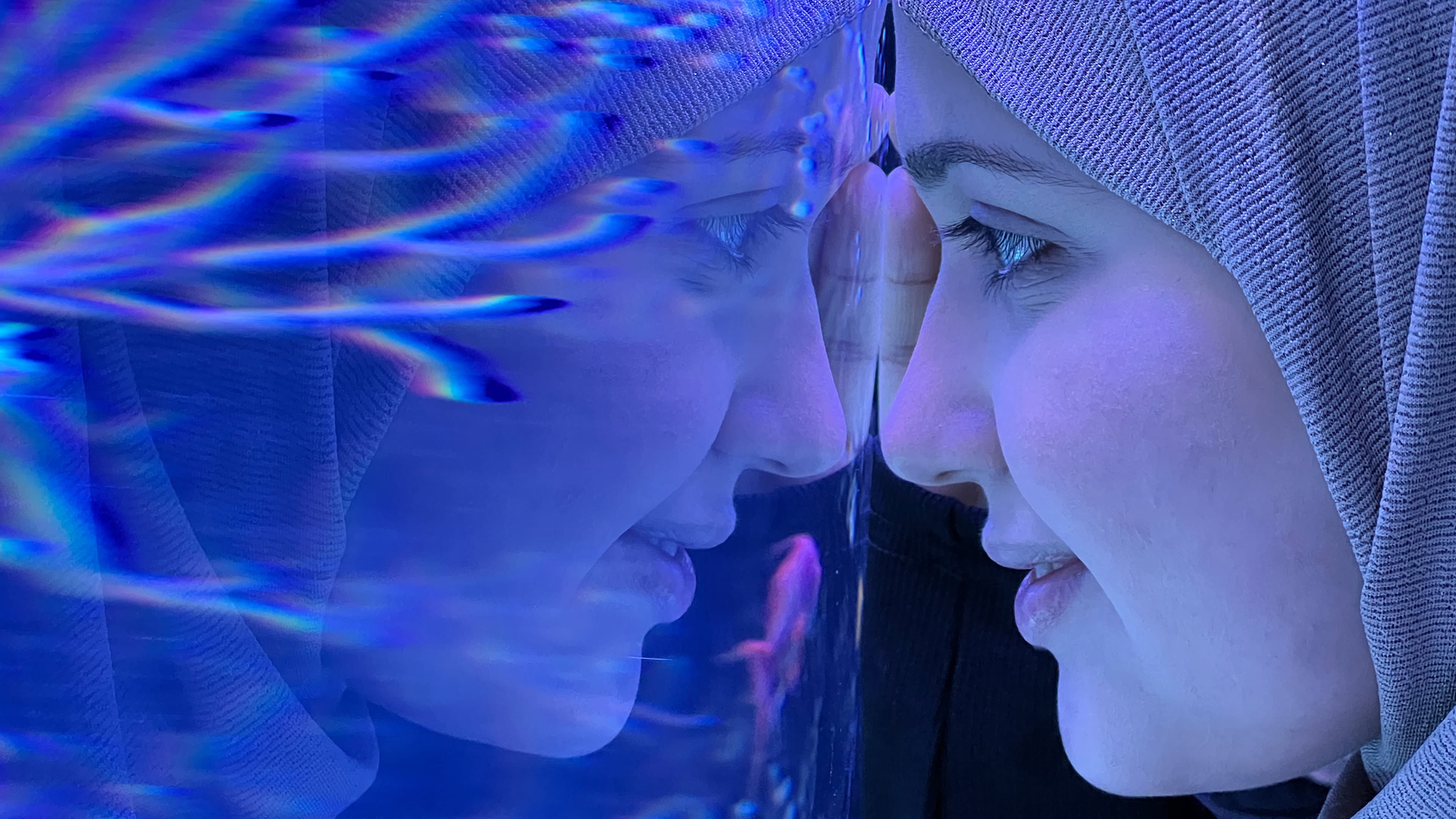
Itab Azzam spent a decade making "One in a Million," and much of that time was spent wrestling with a question that has no clean answer: what does a documentary filmmaker owe the person whose life is on screen? The film, which opened in U.S. theaters on November 4, 2026, follows a young Syrian girl and her family across ten years of war, exile and return - from Syria to Germany and back again. Speaking ahead of the release, Azzam said the hardest part of the long production was not the logistics of filming across borders, but learning when to put the camera down and let her subject make her own decisions.
The documentary, running 105 minutes and made within the Hollywood industry, traces the family's navigation of displacement in a foreign country, including the heartbreak that comes with rebuilding a life far from home. Azzam said her initial instinct was to protect the girl at the center of the story, to steer her away from choices that seemed risky or painful. Over time, she came to see that instinct as a form of interference. "I had to accept that she was not mine to direct," Azzam said. The realization reshaped the project, she added, and forced her to rethink what observational filmmaking actually requires of the person holding the camera.
That ethical tension runs through the finished film, which arrives with little advance audience data - TMDb currently lists a rating of 0/10, reflecting a lack of user votes rather than critical reception. Azzam declined to discuss specific scenes in detail, but she described the decade-long timeline as both a gift and a burden. A ten-year arc allows a portrait to show how a person changes, how a family adapts, how a war and its aftermath echo through ordinary decisions. It also means the subject ages on camera, and the filmmaker's relationship to her evolves in ways that cannot be planned in advance.
Consent, revisited over a decade
Azzam said she returned to the question of consent repeatedly, not just at the start of filming but at each stage of the girl's life. What a child agrees to, she noted, is not the same as what a teenager agrees to, and a documentary that spans that transition has to account for the difference. The film's portrait of the refugee experience, she said, only holds together if the person living it retains some ownership of how it is told. That principle sometimes meant waiting, sometimes meant accepting that a scene she wanted would never happen, and sometimes meant letting the story move in a direction she had not anticipated.
A family story across borders
"One in a Million" centers on a single girl, but Azzam said the family is never far from the frame. The journey from Syria to Germany and back again is presented as a collective experience, with each member of the household carrying part of the dislocation. Azzam said she hopes the film complicates the way audiences think about displacement, moving past headlines and statistics toward the texture of daily life in exile. The return journey, she added, raised its own set of questions about belonging and what it means to go back to a place that has changed beyond recognition. Azzam did not specify how the family is doing today, saying only that she remains in contact with them.
The director also reflected on the distance between the film she imagined at the outset and the one she completed. Documentaries built on long timelines, she said, demand a kind of humility: the subject is living a life, not performing a role, and the filmmaker's job is to follow rather than to shape. That lesson, she said, came at a cost, including moments when she had to set aside her own ideas about what the story should be. The result, she believes, is a more honest film, though she was careful not to suggest the ethical questions have been fully resolved.
"One in a Million" is now playing in U.S. theaters.
Source: The Hollywood Reporter