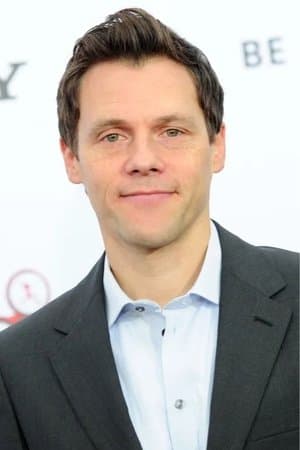
Gluck Cut Nudity: Sex Scenes 'Take You Out' of 'One Night
Director
Will Gluck
Advertisement
Will Gluck reveals he trimmed heavy nudity from 'One Night Only' since audiences dislike on-screen sex, saying it pulls viewers from the story.
Will Gluck, the filmmaker behind hits like Friends with Benefits, has revealed he sliced a significant amount of nudity from his latest project, One Night Only, citing a growing audience discomfort with explicit sex scenes. In a candid discussion, the director explained that such content often pulls viewers out of the story rather than deepening their engagement, a sentiment he says reflects changing viewer preferences.
According to Gluck, the editorial process for One Night Only involved tough decisions about what to keep on screen. He noted that while physical intimacy can serve a narrative purpose, the current cultural mood has shifted away from graphic depictions. “So much nudity” ended up on the cutting room floor, he admitted, because modern audiences tend to find those moments distracting. The director elaborated that a sex scene, unless absolutely vital, risks breaking the emotional spell of a film. “It takes you out of the movie,” he said, explaining that viewers often feel more awkward than immersed when confronted with prolonged skin-on-skin moments.
Gluck’s perspective is notable given his history with Friends with Benefits, a 2011 romantic comedy that leaned into its frank premise about casual sex. That film, starring Justin Timberlake and Mila Kunis, featured steamy moments but also relied heavily on comedic banter to carry the tone. Now, more than a decade later, Gluck appears to be recalibrating his approach. For One Night Only, he chose restraint over explicitness, a decision he believes makes the film more accessible.
The director did not provide specific runtime details, release dates, or plot specifics for One Night Only during his remarks, leaving much about the project under wraps. What is clear, however, is that Gluck’s stance reflects a broader industry conversation. In recent years, several high-profile filmmakers have commented on how streaming-era audiences and younger demographics respond differently to sex on screen. Some argue that explicit content has become a turnoff, while others contend that it simply needs to serve a clearer purpose in the screenplay’s overall design.
Gluck’s comments also align with a wave of criticism aimed at gratuitous scenes that do little beyond checking a box. He suggested that filmmakers often include such material out of habit or a misguided sense of artistic seriousness, rather than genuine storytelling need. By cutting back on One Night Only, he aimed to keep the focus squarely on character dynamics and dialogue. He likened the editing process to sculpting, where removing excess material reveals the intended shape of the film.
While he stopped short of detailing exactly which scenes were trimmed or how much footage was removed, his tone suggested the changes were extensive. The director expressed no regret about the cuts, framing them as a necessary evolution in his own taste. He also pointed to audience research and informal conversations with moviegoers as evidence that many people now prefer innuendo and implication over overt visuals. The phrase “less is more” seems to guide his latest work.
For a director associated with a title that openly celebrated physical relationships, this pivot might surprise some fans. Yet Gluck emphasized that his new approach does not mean One Night Only lacks heat or romance. Instead, he aims to generate tension through suggestion, timing, and chemistry between actors, a technique he finds more challenging and rewarding. He argued that leaving something to the imagination can actually heighten emotional payoff, giving viewers room to project their own experiences onto the characters.
Industry observers may note that Gluck is not alone in this recalibration. Several recent studio comedies and dramas have adopted a more chaste sensibility, a shift that some attribute to changing social norms and the influence of younger audiences who have grown up with different media consumption habits. Sundance and other festival circuits have also seen films that treat intimacy with artistic detachment rather than spectacle. Gluck’s remarks are likely to fuel further debate among cinephiles about the role of sex in mainstream entertainment.
No further details about One Night Only’s cast or crew have been announced beyond Gluck’s own involvement as director, and he did not pivot to promotional speculation during his conversation. The project remains shrouded in some mystery, which makes his willingness to discuss the editing choices all the more intriguing. For now, fans of Gluck’s work can anticipate a film that prioritizes wit and emotional nuance over explicit imagery.
As the entertainment landscape continues to evolve, Gluck’s stance may signal a lasting trend. Whether audiences truly reject sex on screen or simply crave better-written integration of it, his comments provide a window into the decision-making of a commercial director adapting to the times. One Night Only will likely draw attention not just for its story, but for what it deliberately chooses not to show.
Source: Variety
Advertisement
Advertisement