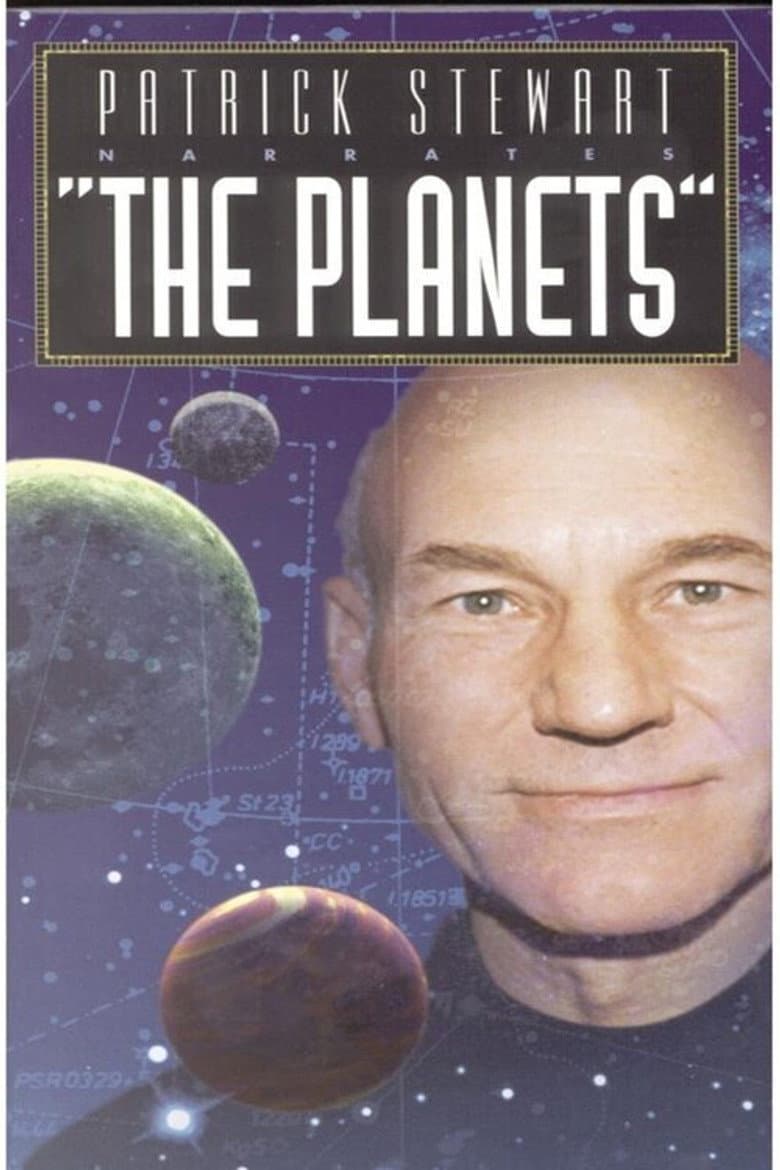
The entertainment world is mourning the loss of Sir Patrick Stewart, the classically trained English actor whose commanding presence and unmistakable voice turned Captain Jean-Luc Picard into one of television's most enduring figures and Professor Charles Xavier into a cornerstone of the modern superhero blockbuster. Stewart died this week at the age of 86, closing a career that spanned more than six decades across the Royal Shakespeare Company, the West End, Broadway, and the biggest franchises in popular culture.
Few performers have moved so effortlessly between the prestige of the stage and the demands of genre storytelling. Stewart built his early reputation on Shakespeare, becoming a leading member of the Royal Shakespeare Company in the 1960s and 1970s and earning widespread acclaim for his interpretations of the great tragic and comic roles. That foundation gave him a gravity that audiences instinctively trusted, whether he was delivering a soliloquy or issuing orders from the bridge of a starship.
A Captain for a New Generation
Stewart was best known to millions as Captain Jean-Luc Picard, the role he took on in 1987 when "Star Trek: The Next Generation" launched. The series arrived with considerable skepticism from fans devoted to the original 1960s show, but Stewart's thoughtful, morally serious captain gradually won them over. Over seven seasons and four feature films, he gave the character a distinctive register: measured, intellectually curious, and capable of flashes of righteous anger when principle demanded it.
He returned to the role decades later in "Star Trek: Picard," a series that explored the character's later years and allowed Stewart to portray an older, more reflective version of the man he had first played in his forties. The willingness to revisit Picard on television, after the franchise had moved on, was emblematic of an actor who never treated any project as beneath him.
The Professor Behind the X-Men
In 2000, Stewart took on another iconic role: Professor Charles Xavier in "X-Men," the film that helped ignite the modern era of superhero cinema. His casting opposite Ian McKellen's Magneto gave the film a clash of theatrical titans at its center, and Stewart's calm, paternal authority anchored a franchise that would grow into a multi-film saga. He reprised the role in several sequels and prequels, playing the character across different timelines and generations.
The Xavier role cemented Stewart's status as a rare performer embraced by two large and passionate fandoms at once, a distinction he shared with few peers. He later reprised the character in the Marvel Cinematic Universe, a testament to how deeply the role had become identified with him.
A Voice Recognized Everywhere
Beyond Star Trek and X-Men, Stewart's voice became a familiar presence in animation and video games, and his comic timing surfaced in unexpected places, including a memorable recurring turn on "American Dad!" and his affectionate self-parody in the series "Blunt Talk." He was also an outspoken advocate on issues of domestic violence, having spoken publicly about his own childhood experiences, and he campaigned for causes including animal welfare.
Stewart was knighted in 2010 for services to drama, and he returned repeatedly to the stage throughout his life, most notably in a celebrated solo adaptation of "A Christmas Carol" and in productions of "Macbeth" and "The Merchant of Venice."
A Legacy of Range
What set Stewart apart was range. He could make blank verse feel conversational and make technobabble sound like philosophy. He could be imperious and warm in the same scene, and he understood that the most powerful figures he played were defined less by their authority than by their doubts.
He is survived by his wife, Sunny Ozell, to whom he was married for more than a decade, and by a large extended family of colleagues and admirers across the stage and screen industries. Tributes are expected from across the entertainment world in the coming days.
For a generation of viewers, Stewart will remain forever on the bridge, straightening his uniform and offering a quiet, steady command - the kind of presence that made the impossible seem manageable.
Source: The Hollywood Reporter