PAW Patrol: The Dino Movie (2026) - News & Updates
Director
Cal Brunker
Language
EN
Release
2026-07-23
Runtime
88 min
Advertisement
Get the latest on PAW Patrol: The Dino Movie (2026), directed by Cal Brunker. Release news, cast, trailers, and plot details for the pups' prehistoric
The latest installment in the animated canine adventure series is ruffling some feathers, not for its action sequences, but for its surprisingly progressive political undertones. PAW Patrol: The Dino Movie, which hit theaters on July 23, 2026, presents a curious narrative contradiction: a franchise built around law-enforcement dogs that ultimately champions a message of communal heroism over authority.
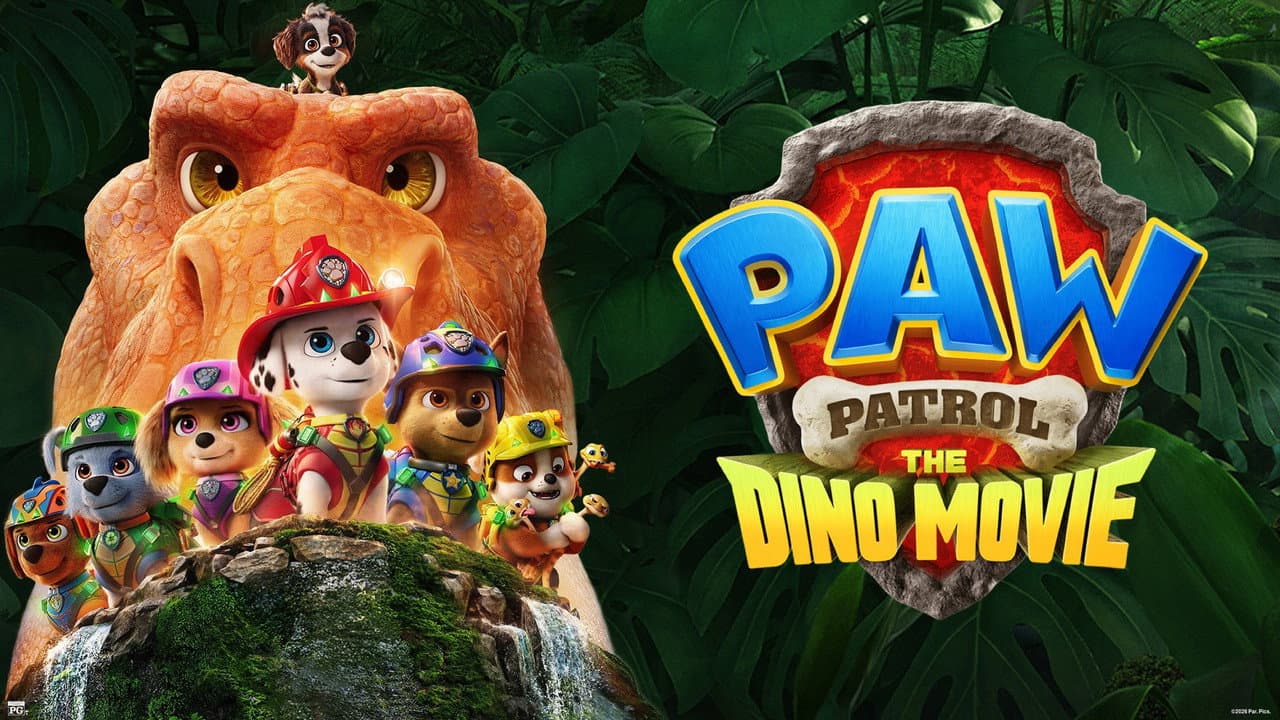
Directed by Cal Brunker, the 88-minute film opens with the beloved pups and their human leader Ryder navigating a treacherous storm that strands them on a mysterious, prehistoric island. There, they encounter Rex, a lone pup voiced by Hayden Chamberlen, who has made this volatile landscape his home. The plot kicks into high gear when perennial antagonist Humdinger’s reckless mining operation accidentally triggers a volcanic eruption, forcing the team into their most perilous rescue mission to date.
On the surface, it’s classic PAW Patrol fare: colorful animation, slapstick comedy, and a family-friendly tone that has made the franchise a box-office staple for a decade. But beneath the surface, critics and eagle-eyed viewers are noting a thematic pivot. The film, while featuring the ever-capable Chase as a central figure, seems to downplay the traditional “cop” dynamic in favor of a more collective, grassroots approach to problem-solving.
This is where the film’s intriguing ideological tension lies. The review in question points out that the franchise, historically built on the premise of a police dog leading a rescue squad, now seems to be pushing a subtextual “ACAB” (All Cops Are Bad) narrative. However, the twist here is that the film undercuts its own critique by portraying all of its canine officers as inherently benevolent, noble, and selfless. The pups aren’t flawed enforcers; they are pure-hearted saviors.
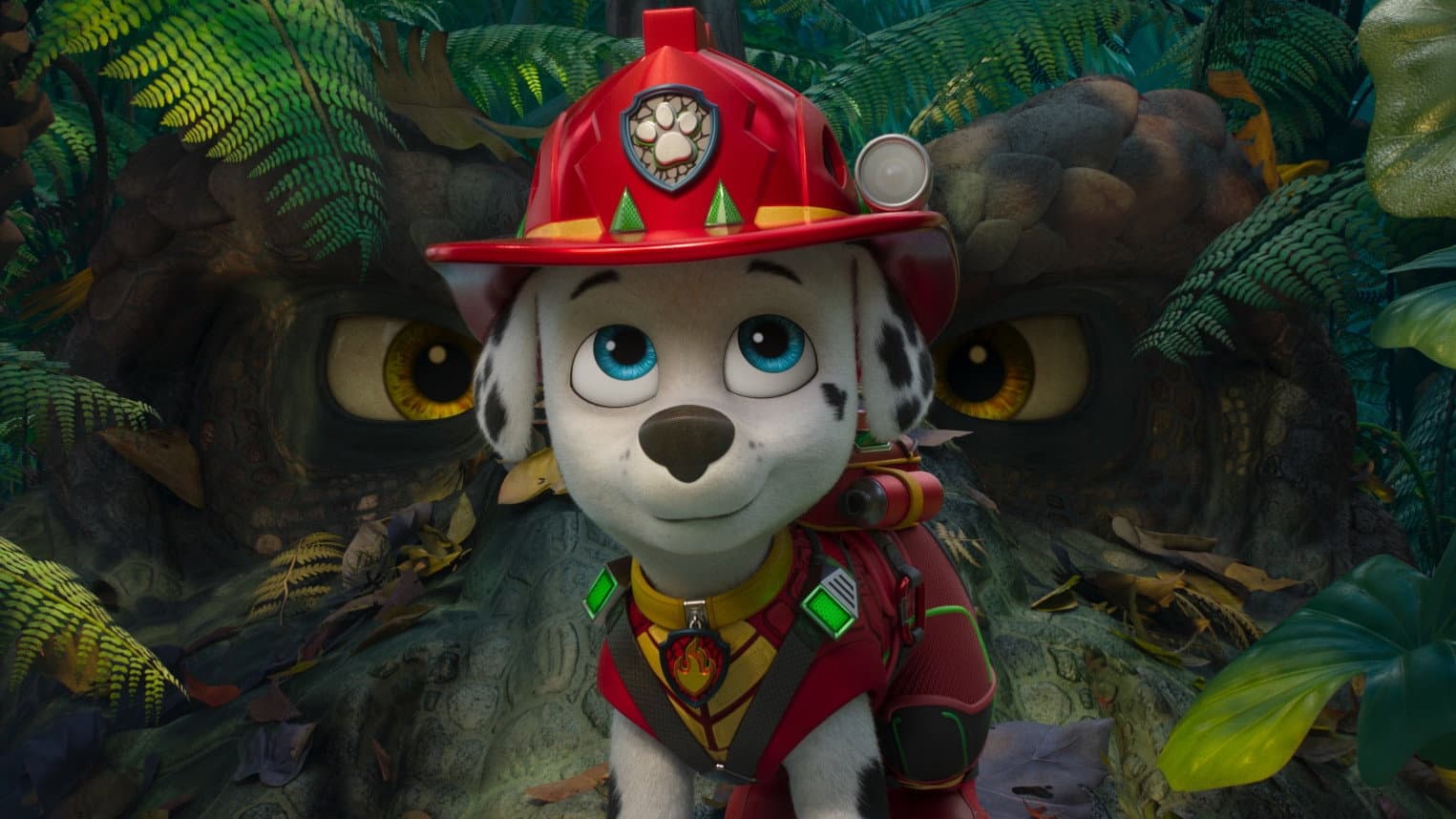
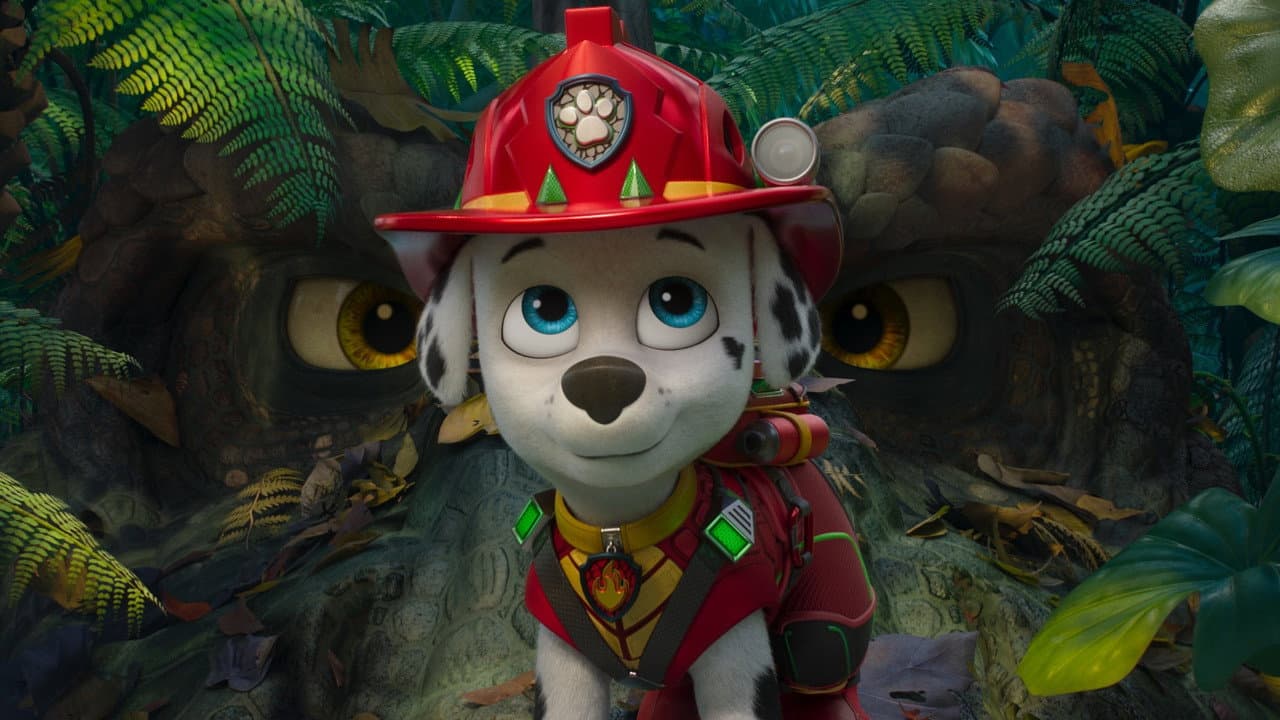
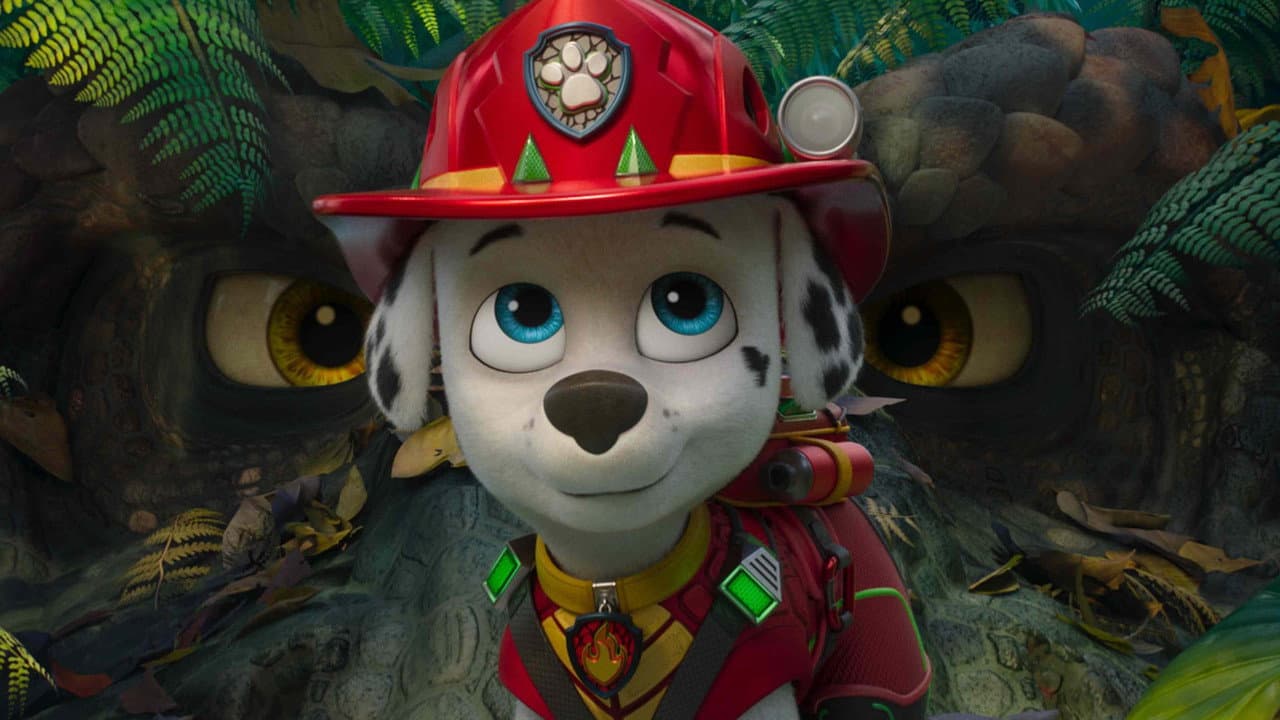
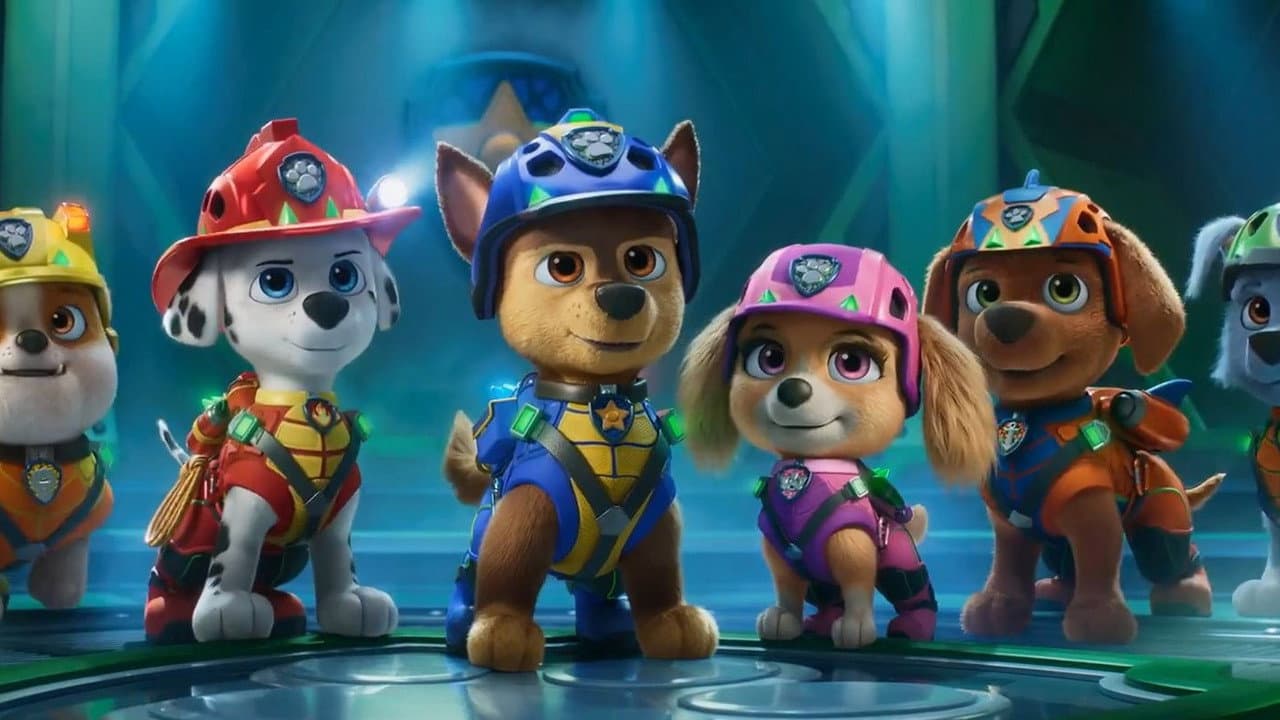
In practice, this means the movie’s most resonant moments don't come from Chase barking orders, but from the teamwork of the entire pack. Marshall, voiced by Carter Young, uses his firefighting skills not as a tool of control, but as a means of pure salvation. Skye, brought to life by Mckenna Grace, takes to the skies for reconnaissance that feels more like neighborly watchfulness than surveillance. The film’s climax is less about asserting authority and more about a collective, almost anarchic, unity - every pup contributes equally, and the hierarchy that defines their day job is essentially abandoned for the greater good.
This isn’t to say the movie is a political treatise. The script, which sees Rain Janjua’s Chase and the rest of the team navigate falling rocks and dinosaur stampedes, keeps its messaging light. The true villain, Humdinger, is a classic bumbling opportunist, not a symbol of systemic corruption. The “benevolent canines” aspect is so overt that it almost feels like a parody of the very critique being leveled at them. They are so good, so pure, that the idea of them being “police” is practically an afterthought.
The voice cast, which also includes Henry Bolan as Ryder, Lucien Duncan-Reid as Rubble, Nylan Parthipan as Zuma, and William Desrosiers as Rocky, delivers energetic performances that carry the simple script. The animation is vibrant, and the dino island setting provides a fresh backdrop for the usual rescue antics. With a 7.3/10 rating on TMDb, the film is being received warmly by audiences who are likely there for the spectacle, not the subtext.
Still, the discourse around the film’s politics is fascinating. In a cinematic landscape where children’s media is increasingly scrutinized for its hidden messages, PAW Patrol: The Dino Movie stands out by seemingly trying to have it both ways. It acknowledges the inherent problem with a militarized rescue force, only to immediately resolve it by saying, “But our dogs are perfect, so it’s fine.”
It’s a clever, if unintended, satire. By stripping away the fallibility that makes law enforcement critique meaningful, the film accidentally reinforces the idea that the system is only good if the individuals within it are flawless. For a kids’ movie about talking dogs, it’s a surprisingly nuanced debate. For parents, it’s another entertaining, high-octane afternoon at the cinema. Either way, the pups are back, they’re ready for action, and they’ve never been more philosophically complicated.
Source: Variety
Advertisement
Gallery

Advertisement