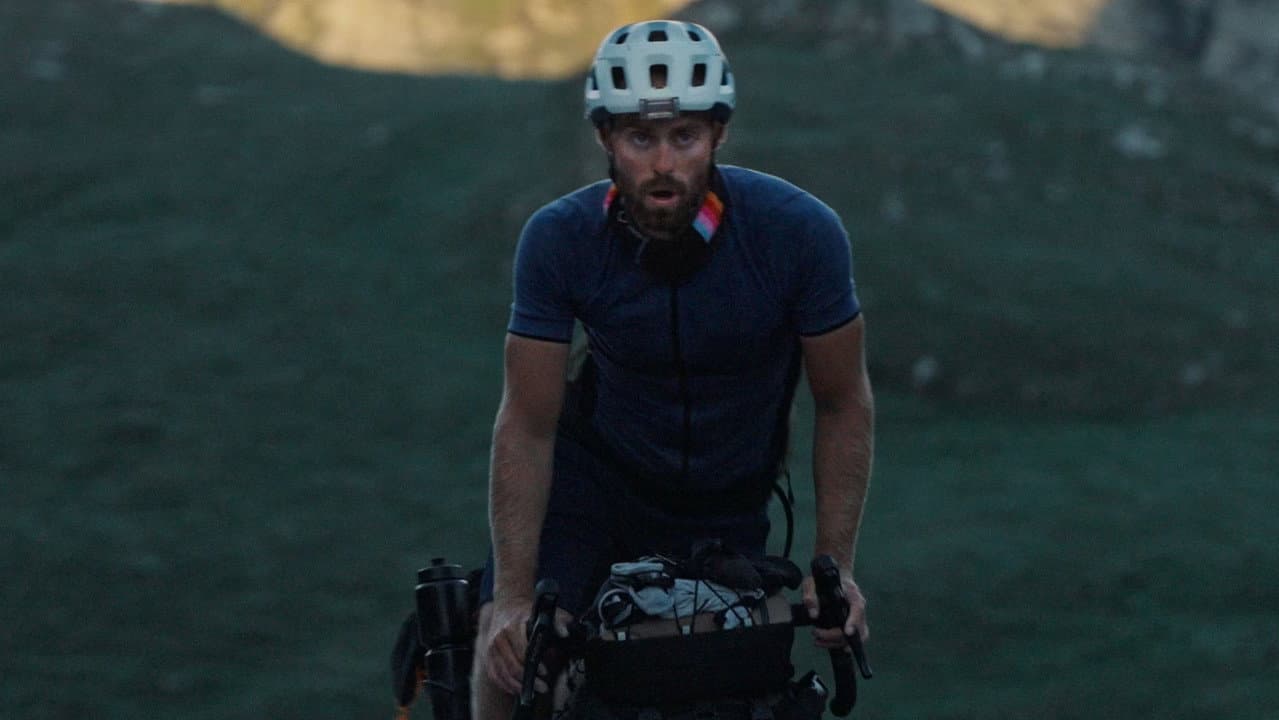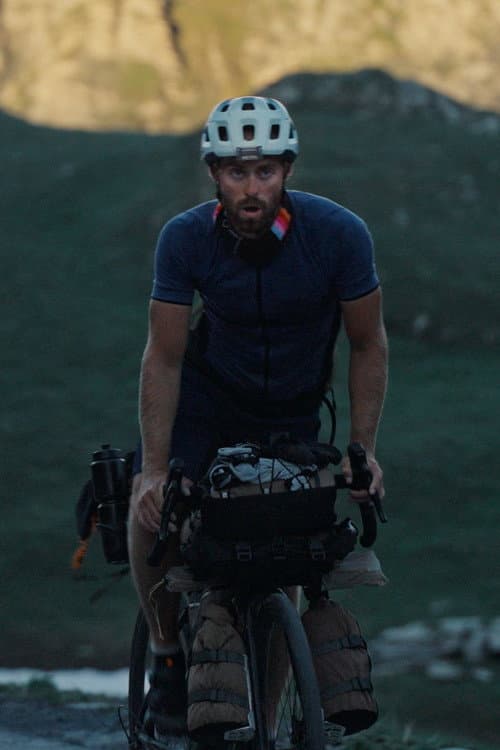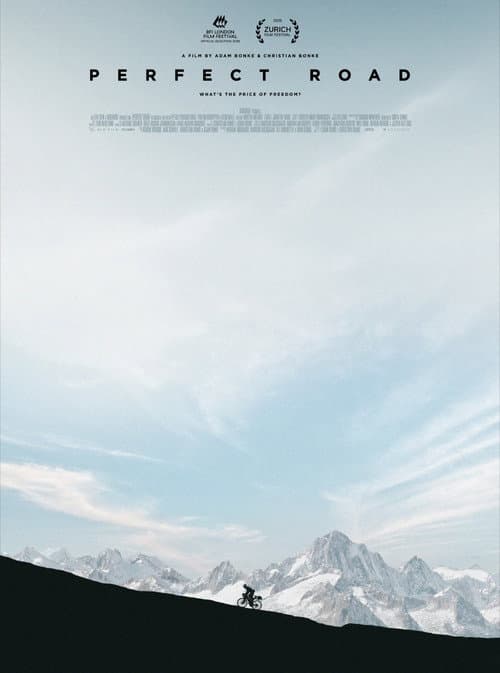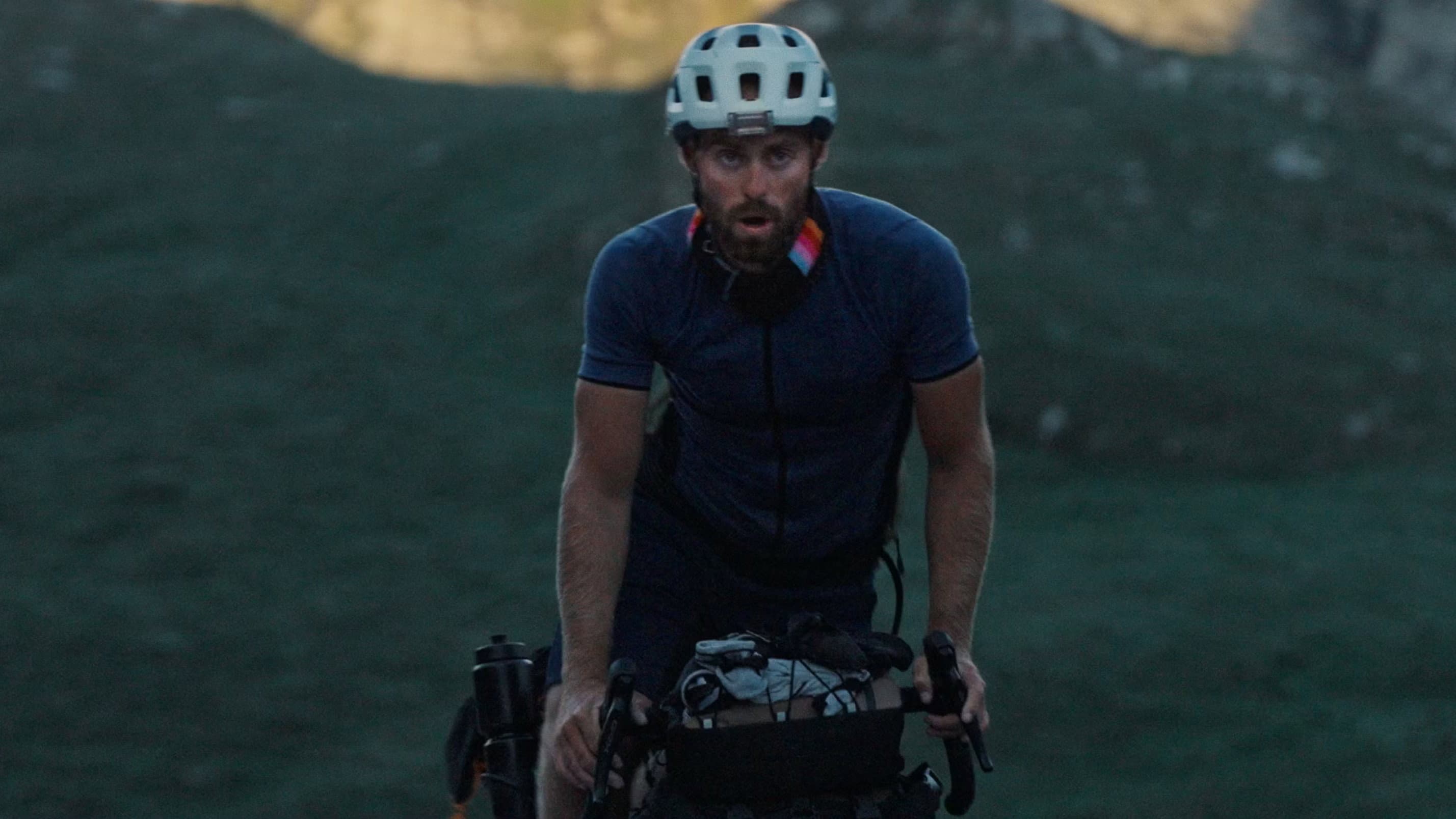
Filmmakers Adam Bonke and his crew spent three months living out of a campervan to document a man who has spent a decade living on a bicycle. The result, "Perfect Road," is a 91-minute documentary that follows Max Schnell as he takes on the hardest physical challenge of his life while wrestling with a quieter question: whether his commitment to the open road is costing him the relationship that matters most. The film is set for release on September 25, 2026.
The project centers on Schnell's belief that life on a bike represents the purest form of freedom available to a person. He has organized his entire existence around that conviction for ten years, and the documentary captures him as he pushes himself further than ever before. But the film's emotional core lies elsewhere, in the tension between that freedom and his partnership with Nina Ridder, who appears in the documentary as herself. As Schnell confronts his most punishing undertaking to date, the strain on their relationship forces him to reconsider what he has prioritized and what he may have overlooked.
Bonke directs a production made under the Hollywood industry banner with Danish as its original language. Schnell and Ridder are the only credited cast members, appearing as themselves in what is classified as a documentary. That narrow focus - essentially two people, a bike and the road - is matched by the filmmakers' decision to embed themselves in the same stripped-down conditions as their subject.
A Campervan as Base Camp
The three-month campervan stint was not a promotional anecdote but a logistical necessity, according to the production's account of how the film came together. Following a cyclist who moves constantly and carries almost nothing means the crew could not retreat to hotels or return to a fixed base at the end of each shooting day. Living in the vehicle allowed Bonke and his team to stay close to Schnell through long stretches of riding and to capture the unglamorous hours between the dramatic ones - the meals, the repairs, the conversations that a conventional shoot schedule would have missed.
That approach places "Perfect Road" in a tradition of intimate, long-form nonfiction filmmaking, where the duration of the shoot shapes the material as much as any directorial choice. Three months is a substantial commitment for any production, and it suggests the film is after something more than scenery. The campervan becomes a second subject of sorts: a small, shared space where the boundary between observing a life and living alongside it grows thin.
Two Stories Running in Parallel
"Perfect Road" arrives with a dual structure. On one level it is an endurance story, tracking Schnell through a challenge the filmmakers describe as his most gruelling yet. On another, it is a relationship story, with Ridder's presence pulling the narrative away from the handlebars and toward the question of what Schnell's choices have meant for the person sharing his life.
That combination is unusual for a documentary built around an athletic feat, which often keeps its lens fixed on the physical obstacle. By giving equal weight to the partnership, Bonke appears to be arguing that the real test Schnell faces is not the ride itself but the accounting that follows it. The film's overview frames the central conflict directly: Schnell's pursuit of freedom is what draws viewers in, and his relationship with Ridder is what makes that pursuit cost something.
Release and Reception So Far
"Perfect Road" reaches audiences on September 25, 2026, with a runtime of 91 minutes. As of now, the film carries no audience rating on TMDb, reflecting the fact that it has not yet been widely seen or voted on by users. No box-office figures are available, which is typical for a documentary at this stage of its rollout.
For Bonke, the film represents a bet on patience - that three months in a cramped campervan, following one man pedaling toward an uncertain finish, can yield a portrait with stakes beyond the physical. Whether audiences respond to that bet will become clearer when the documentary opens in September. What is already evident is the scale of the commitment behind the camera: a crew that chose to live the way its subject does, at least for a season, in order to understand what he is chasing and what it costs him.
Source: The Hollywood Reporter