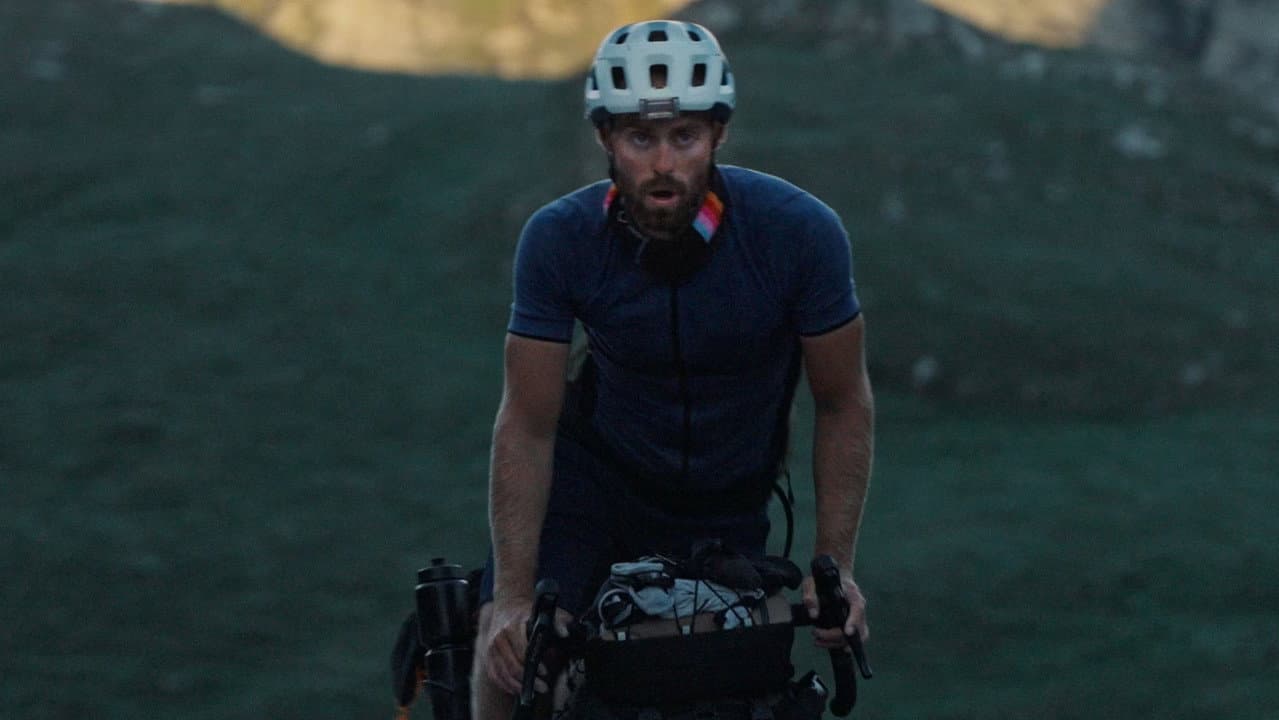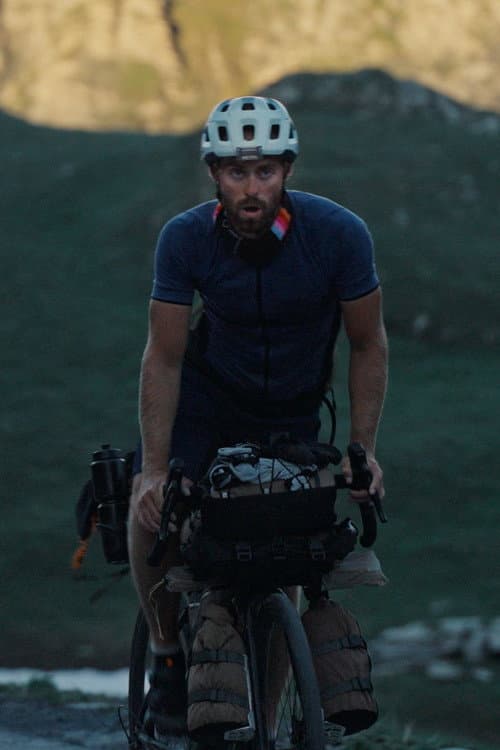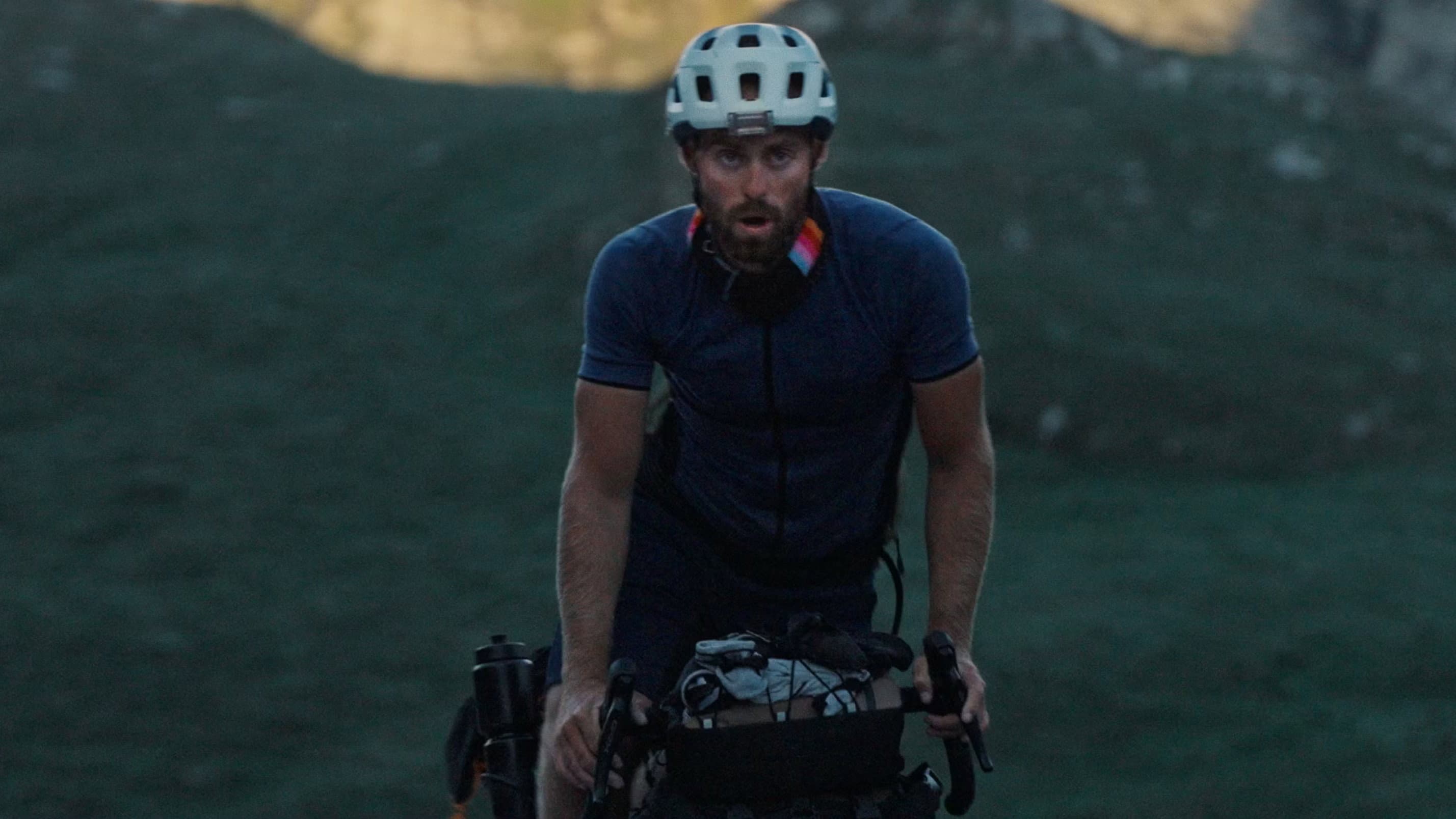
Adam Bonke's documentary "Perfect Road" arrives in theaters this week, bringing audiences along for a decade-long ride with a man who traded a settled life for a saddle and a stretch of open highway. The film, which opened on September 25, 2026, centers on Max, a cyclist who has spent the past ten years living on his bike in pursuit of what he describes as the purest expression of freedom he has found. At 91 minutes, the documentary pairs Max's most punishing physical challenge to date with a quieter, more uncomfortable reckoning: his relationship with his partner, Nina, and the question of whether the road he has chosen is worth what it costs them both.
Bonke, who directs, keeps the camera close to his subject as Max pushes through terrain and conditions that test the limits of both body and will. The appeal of the film, at least on paper, lies in that duality. There is the obvious spectacle of endurance cycling, the kind of grueling, self-imposed trial that documentaries love to capture. But there is also the emotional terrain the film maps out, as Max confronts the possibility that the freedom he has devoted his adult life to might be in tension with the life he could build with Nina. It is a familiar documentary arc - the solitary striver forced to weigh personal ambition against human connection - but "Perfect Road" appears to ground it in the specific, tactile reality of life lived almost entirely outdoors.
Both Max and Nina appear in the film as themselves, credited as Max Schnell and Nina Ridder, respectively. Their presence as non-professional subjects gives the documentary a raw, unpolished texture that a scripted treatment could not replicate. Nina's role in the narrative is pivotal rather than peripheral; the film's official synopsis frames the couple's relationship as the counterweight to Max's challenge, suggesting that the emotional stakes are as central to the project as any climb or distance marker. How much access Bonke was granted to the couple's private moments, and how candidly Nina speaks about her partner's choices, will likely shape how viewers receive the film.
The documentary's title carries an obvious irony. A "perfect road" is, by definition, a fiction - no route is without its cracks, gradients and hazards - and the film seems interested in testing whether Max's pursuit of an ideal has left room for the imperfections that define a shared life. That tension gives "Perfect Road" a hook beyond the cycling crowd. It is less a sports documentary than a portrait of a man whose defining commitment may also be his defining limitation.
"Perfect Road" runs 91 minutes and is presented as a documentary feature. It carries a TMDb rating of 0/10, a figure that reflects the absence of aggregated user votes rather than any critical judgment, since the film has only just reached audiences. Early reception data is therefore not yet meaningful, and the film's commercial performance remains an open question.
What the documentary does offer is a compact, closely observed case study in a modern dilemma: how much of oneself to give to a passion, and how much to reserve for the people who stay. Max's decade on the bike is presented not as an eccentric detour but as a considered philosophy, one he has tested against real deprivation and discomfort. Whether that philosophy holds up under the weight of his latest challenge - and under Nina's gaze - is the engine driving the film.
For Bonke, the project marks a study in intimacy and endurance at once, and "Perfect Road" seems designed to reward viewers who come for the physical feat and stay for the human accounting. The film is now playing in theaters, and audiences can judge for themselves whether Max's perfect road leads somewhere worth arriving.
Source: The Hollywood Reporter