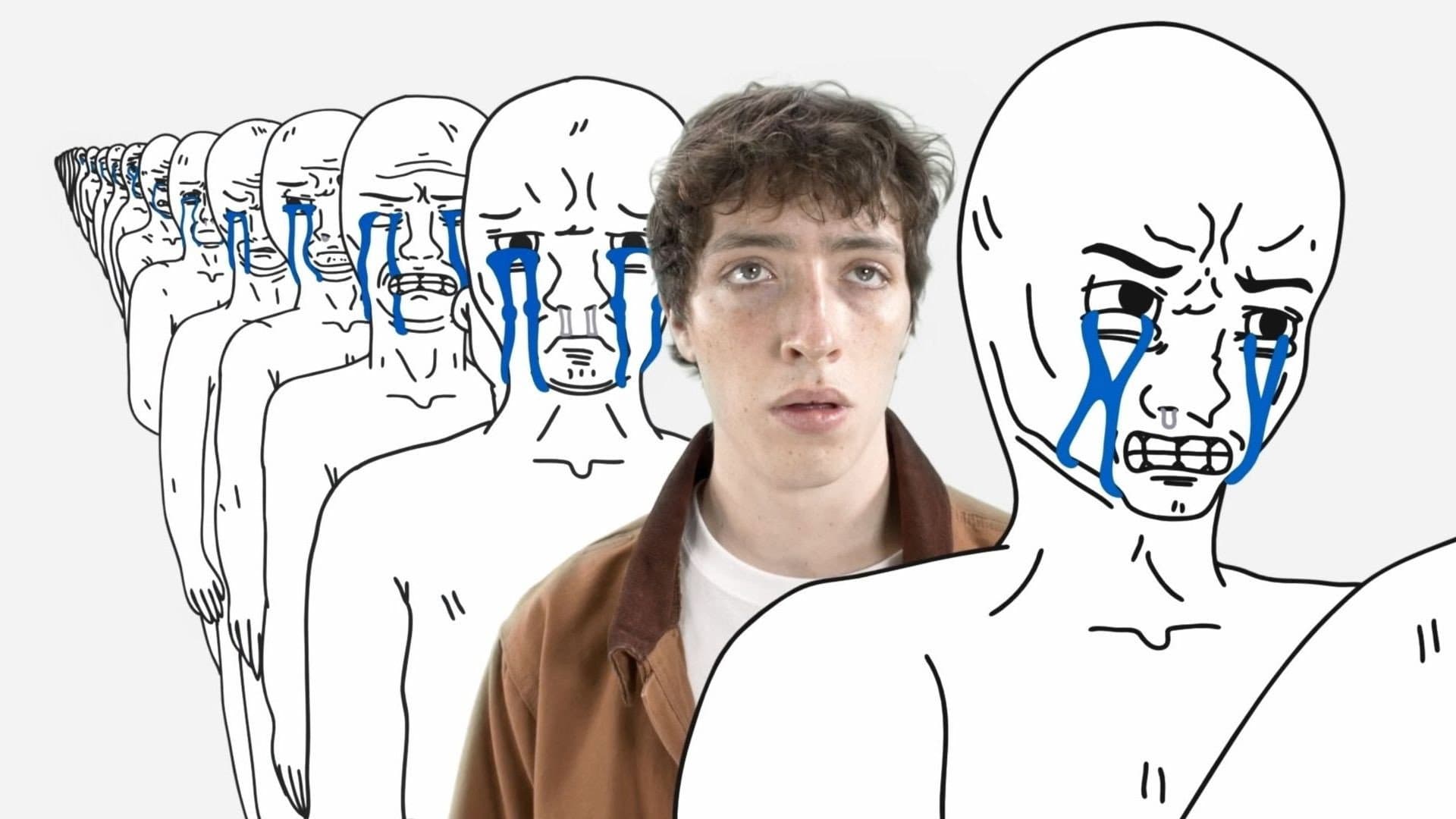
"Pop Pop," a film that traces how a young man's online life pulls him toward extremism, arrives at a moment its creator believes could hardly be more urgent. The filmmaker behind the project says the story of radicalization and male fragility in the digital age has grown only more relevant since it was first conceived, and is using the release to call on audiences to engage with the issue rather than look away.
The film centers on a protagonist whose drift into radicalized spaces is presented not as a sudden fall but as a gradual process shaped by isolation, insecurity and the algorithms that feed on both. Rather than treating extremism as an aberration, "Pop Pop" frames it as something that can take root in ordinary vulnerability, particularly among young men searching for belonging online. The creator has described the work as an examination of how easily loneliness and a desire for purpose can be steered toward destructive ends.
Speaking about the project, the creator said the subject matter has taken on a new weight as public conversation around online radicalization has intensified. "It's more topical every day," the filmmaker said, adding that the film's themes have only sharpened with time. The remark captures the strange position of a story that was written about a specific online culture but now reads as a broader commentary on how digital communities shape beliefs and behavior.
A Story Rooted in the Everyday
"Pop Pop" avoids the language of the lecture hall. Its creator has stressed that the film works best as a human story first, following a character whose choices feel recognizable rather than exotic. The pull toward extremist content is portrayed through small, cumulative moments: late nights online, a sense of grievance that finds validation in the wrong places, and the slow erosion of perspective that comes with living inside a curated information bubble.
That approach places the film in conversation with a growing body of work about the internet's role in shaping young men's identities. But the creator resists the idea that the film is simply a cautionary tale. Instead, the project is described as an invitation to understand how fragility and radicalization can connect, and to see the people caught in that cycle as members of a shared community rather than distant strangers.
An Appeal to Act Together
Alongside the film's release, the creator is urging viewers to "join hands" in responding to the issues it raises. The phrase signals a belief that the problem cannot be solved by individual vigilance alone, and that collective effort, from families and schools to platforms and policymakers, is needed to address the conditions that make radicalization possible.
The filmmaker has been careful not to present the film as a solution. Rather, "Pop Pop" is positioned as a starting point for conversation, a way to make an uncomfortable subject approachable. The creator's call to action reflects a view that awareness without engagement accomplishes little, and that the most useful response to a story about isolation is connection.
For audiences, "Pop Pop" offers a portrait of how digital life can quietly reshape a person's worldview. For its creator, it is something more: a prompt to look closely at the young men society often overlooks until it is too late, and to consider what it would mean to reach them before the algorithm does.
Source: The Hollywood Reporter