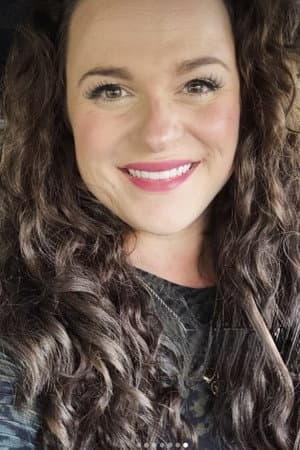
The actress who played young Sally Owens in the 1998 cult classic Practical Magic is speaking out about the fan backlash surrounding the upcoming sequel’s casting decisions. Alexandra Artrip, who portrayed the child version of Sandra Bullock’s character in flashback scenes, has addressed the "negativity" that has emerged online since the project’s new ensemble was announced, urging fans to give the film a chance before passing judgment.
In a series of social media posts, Artrip expressed her surprise at the intensity of the criticism, which has centered on recasting choices for the beloved witchy drama. The original film, which also starred Nicole Kidman and Stockard Channing, has enjoyed a massive resurgence in popularity over the past two decades, largely thanks to a devoted fanbase that treats its autumnal aesthetic and themes of sisterhood with near-religious reverence. That deep affection, Artrip suggested, may be a double-edged sword as the franchise prepares to move forward.
"We have to remember that the people making this new movie are fans, too," Artrip wrote in her response, which was addressed to critics who have already dismissed the sequel before seeing a single frame. "They grew up with the same movie we did. That doesn’t mean they don't care about it. Acting like their love for the source material is less than ours because they’re taking a new approach doesn't feel fair." She reportedly emphasized that the original film itself was a significant departure from Alice Hoffman’s 1995 novel, yet it found its own magic with audiences who were willing to embrace a different interpretation.
The controversy, as reported by entertainment outlets, stems primarily from the confirmed departures of several key original cast members. While Bullock and Kidman are said to be involved in some capacity moving forward, negotiations regarding the other principal actors have reportedly stalled, leading to what Artrip described as a "toxic" cycle of online speculation. The actress said she has seen comments questioning the new hires’ talent and even calling for a production boycott, a reaction she finds disproportionate and discouraging for the industry as a whole.
Artrip’s own history with the project gives her a unique perspective on the pressure these actors face. She was just a child when she was cast to play the young Sally, appearing in scenes where the Owens sisters navigate a childhood marred by tragedy and supernatural accidents. Revisiting the film’s legacy in recent years, she has spoken fondly about the experience, noting how the production’s intimacy translated to the screen. She admitted this week that watching the discourse unfold has been disheartening, not only for the legacy of the film but also for the next generation of performers who are now being subjected to intense scrutiny.
"It feels like we've gotten to a place where we're more excited to tear things down than we are to see what they rebuild," Artrip said, addressing what she called the "negativity" directly. She pointed out that the original cast - which featured iconic performers like Dianne Wiest and Margo Martindale - was itself a mix of established stars and relative newcomers at the time. The magic of the movie, she argued, never relied on a single actor, but on the alchemy between the cast and the film’s atmospheric storytelling.
This is not the first time a legacy sequel has faced pre-release backlash, and Artrip acknowledged the cyclical nature of franchise fandom. She noted that almost every major revival in recent years - from horror reboots to romantic comedy continuations - has faced similar accusations of "ruining" childhood memories. Yet, she pointed out, many of those feared projects went on to find their own audiences, proving that the appetite for these worlds is often larger than the loudest critics suggest.
The practical reality, according to Artrip, is that sequels require difficult logistical decisions. Schedules clash, actors age out of roles, and studio priorities shift. The production team is faced with the unenviable task of honoring a history that fans hold dear while also constructing a narrative that justifies its own existence. Attacking the new cast members, she implied, stands in the way of that process.
"If you loved the first movie so much, then give this one the same chance you gave it," she wrote. "You didn't walk into the theater in 1998 expecting to hate it. You went in with an open mind." She concluded her thoughts with a plea for civility, reminding fans that the people they are criticizing on social media are professionals trying to bring a beloved story back to life, a task she believes is worthy of respect rather than derision.
As of this writing, the studio has yet to officially respond to the fan pressure, and no further casting announcements have been made. Artrip’s own role in the sequel remains unclear, but her intermediary stance suggests that some of the original team retains a sense of optimism for the project. Whether those sentiments will sway the more vocal detractors remains to be seen, but her message is clear: the magic of Practical Magic was always about community, and that includes the audience - all of them.
For now, the sequel remains in development, with fans eagerly awaiting any official footage or first-look imagery that might offer a glimpse into the new Owens family dynamic. Until then, Artrip’s measured response stands as a reminder that beyond the hashtags and the trending pages, there are real people working hard to cast a spell for a new generation. The question of whether that spell will be well-received, she says, is a choice the audience gets to make when the lights go down - not before.
Source: The Hollywood Reporter