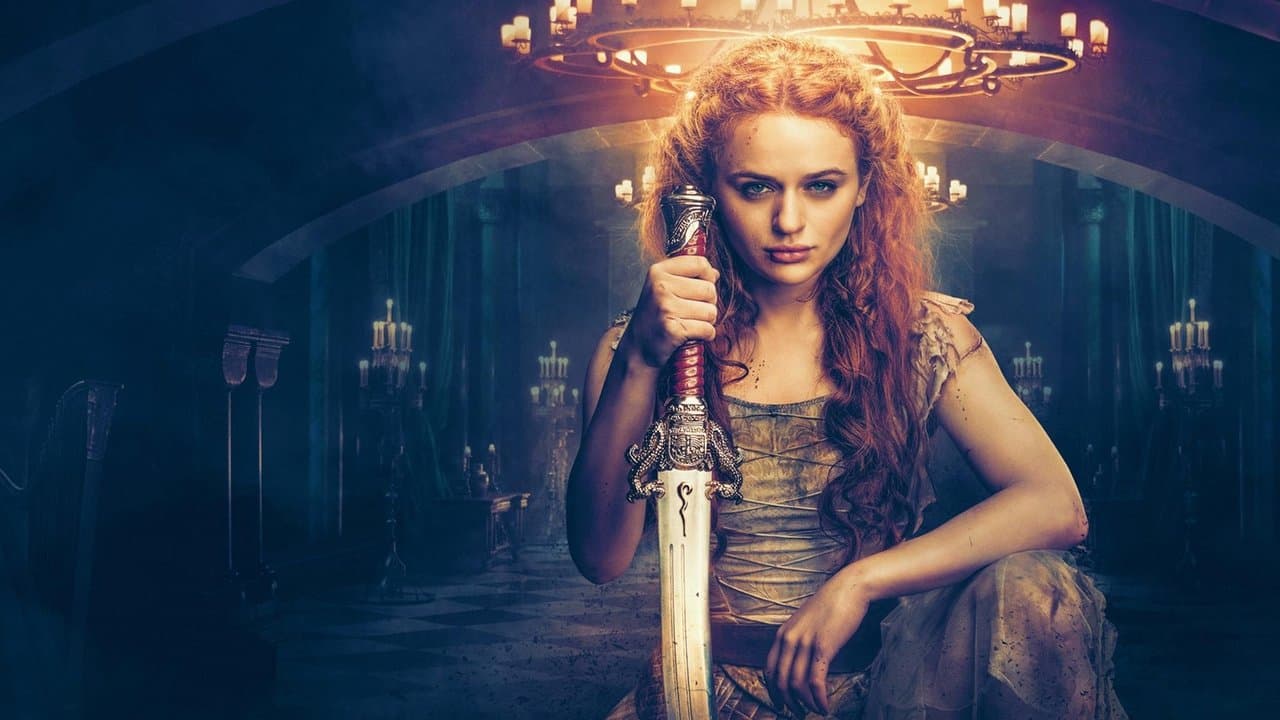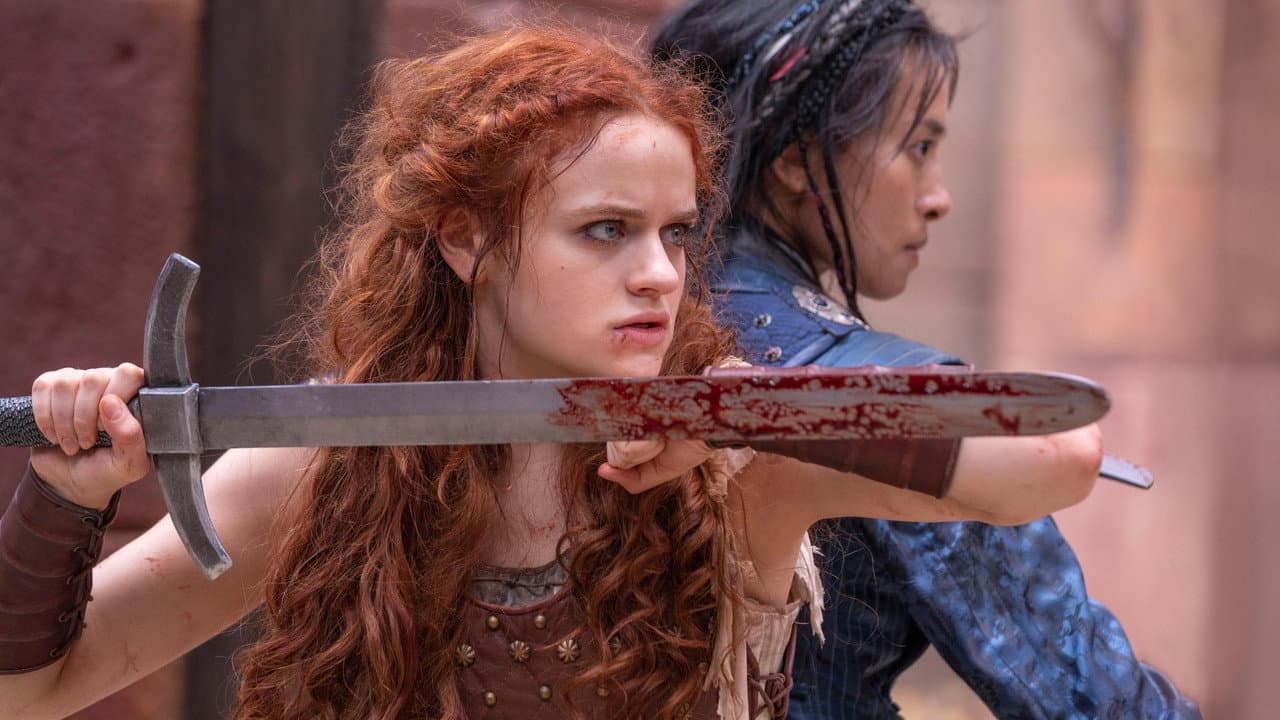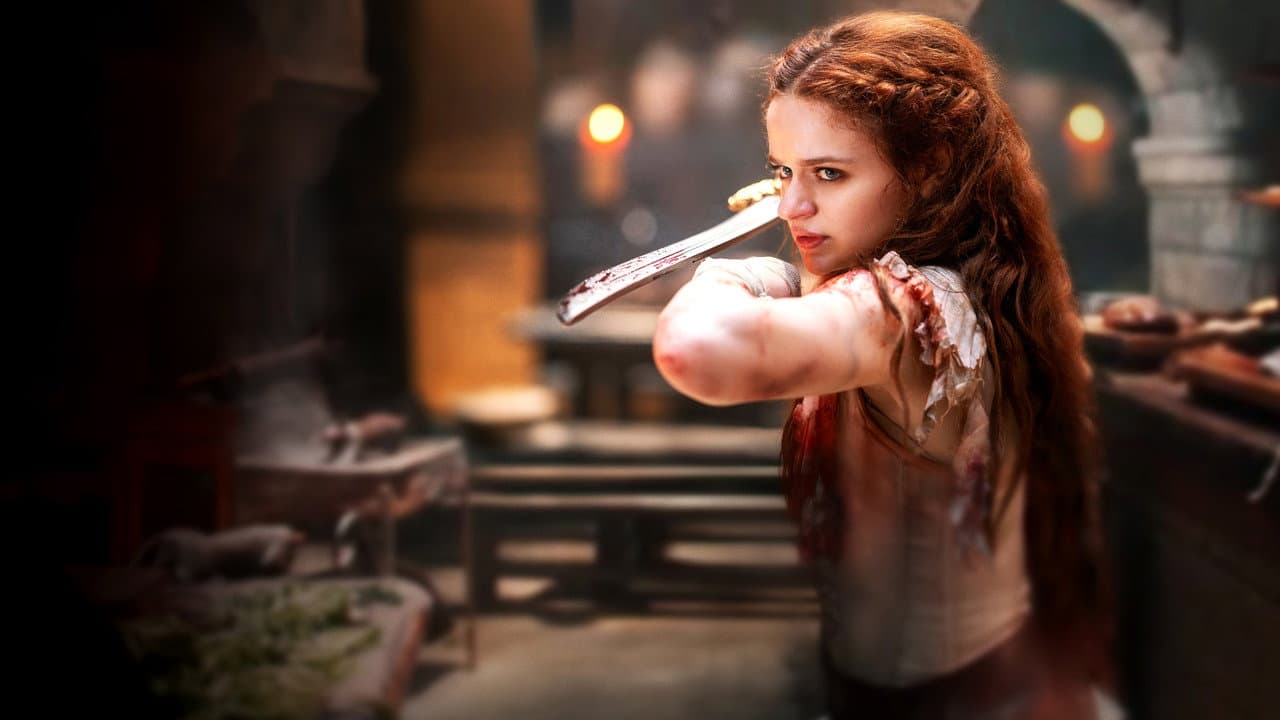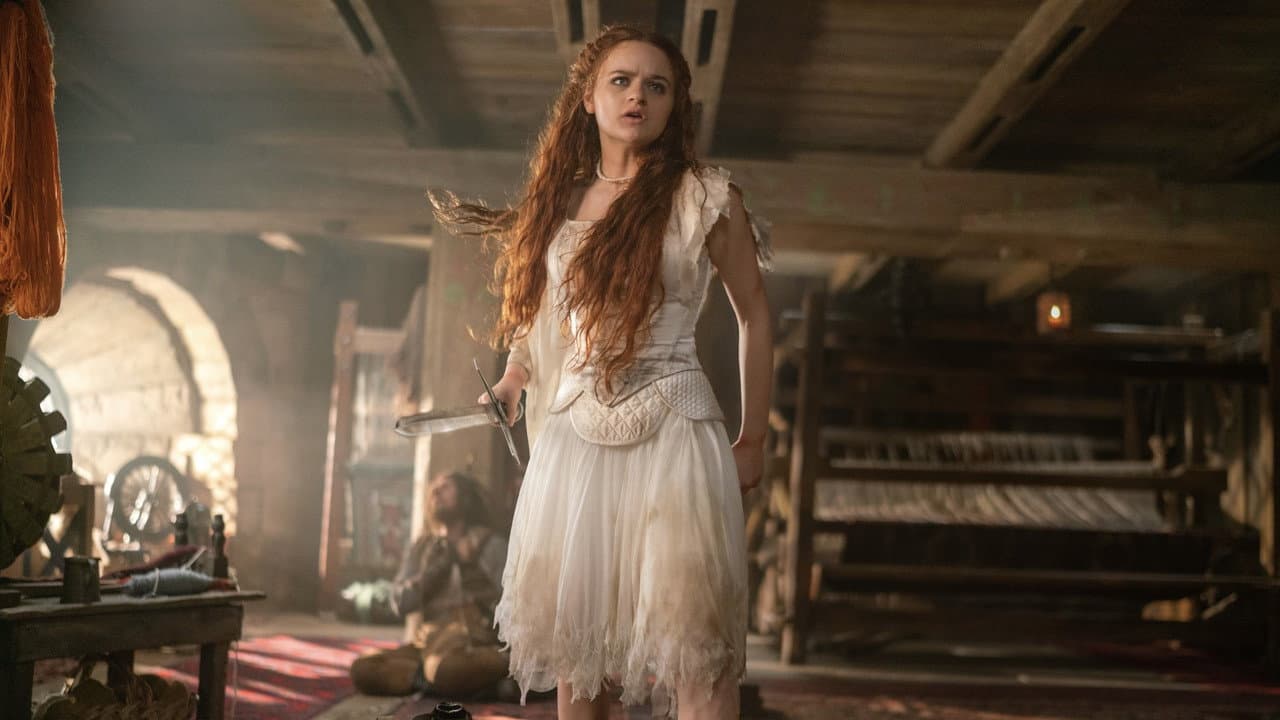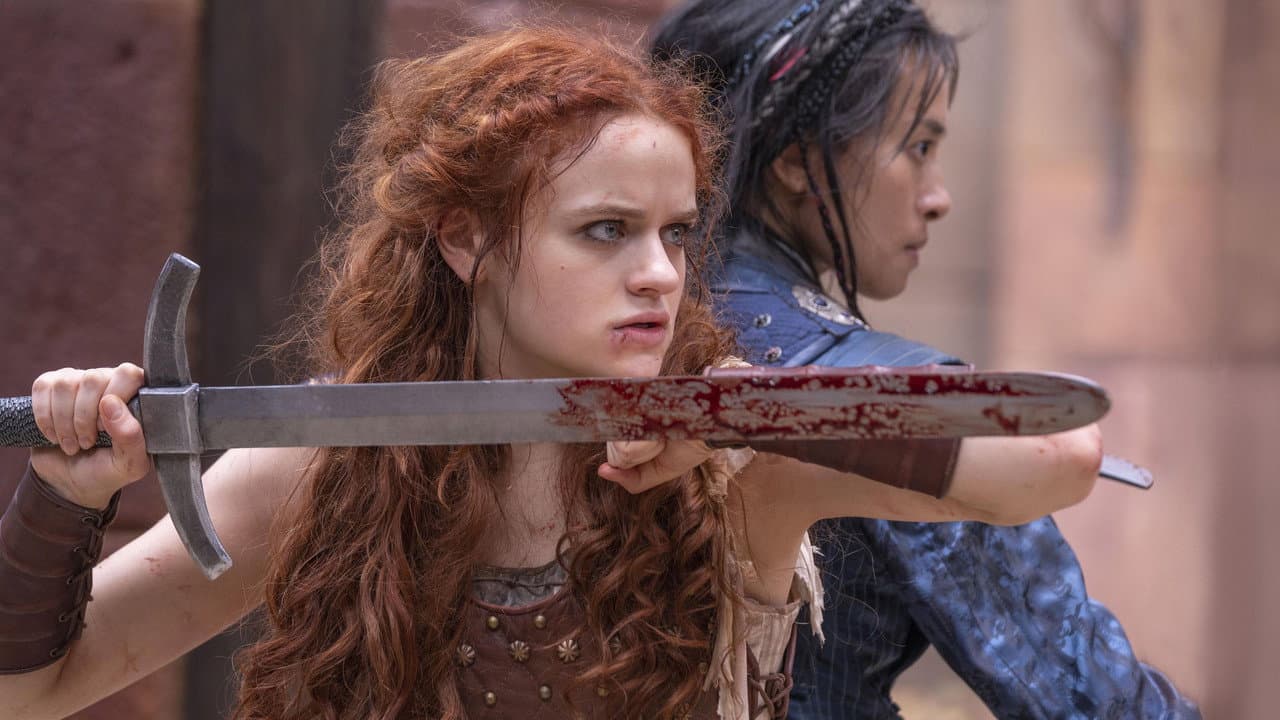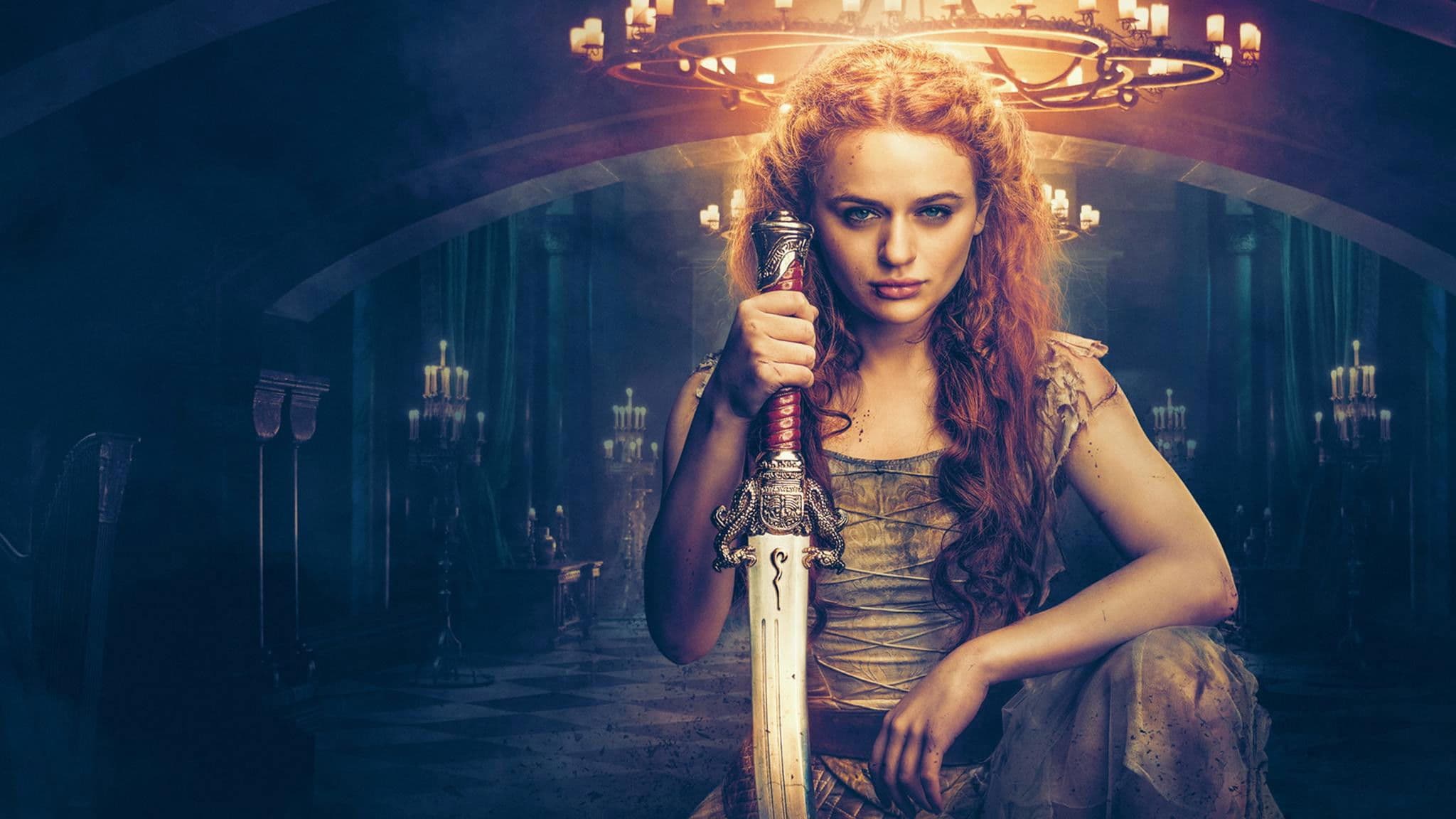
The filmmakers behind Princess are making a point of dedicating the action-fantasy feature to "everyone fighting for their freedom, their identity," a statement that reframes the 2022 Hollywood release as something more personal than its fairy-tale trappings might suggest. Helmed by director Le Van Kiet, the 94-minute film follows a young royal who refuses an arranged marriage to a cruel and violent suitor, only to be kidnapped and locked in a remote tower of her father's castle while her scorned betrothed plots to seize the throne.
That story of a woman rejecting an imposed future has given the film a second life as what its supporters describe as an Indigenous queer drama, a label that sits alongside its official genres of action and fantasy. The dedication, directed at audiences engaged in struggles over liberty and selfhood, positions Princess within a broader conversation about representation in mainstream Hollywood filmmaking.
A familiar framework, an unexpectedly personal reading
On its surface, Princess is built on the sturdy bones of classic fantasy adventure: a royal family, a forced betrothal, a villain with designs on the crown, and a heroine who must fight her way out of captivity to protect the people she loves. The film's official synopsis describes a beautiful, strong-willed young royal who refuses to wed a cruel sociopath, is taken captive, and must then defend her family, and save the kingdom, from a vindictive suitor determined to take her father's throne.
What the dedication changes is the frame through which that narrative is read. By invoking freedom and identity in the same breath, the filmmakers invite viewers to see the princess's refusal as more than a plot device. Her confinement in a tower becomes a story about the costs of defying expectations, and her eventual fight becomes one about reclaiming a self that others tried to define. The dedication does not spell out which communities or struggles it has in mind, and the film itself remains, in its official classification, an English-language Hollywood production in the action and fantasy genres.
The shift in emphasis arrives years after the movie's initial release. Princess opened on June 16, 2022, and has since accumulated middling-to-positive audience scores, with a TMDb rating of 6.768 out of 10 and an IMDb rating of 5.7 out of 10. Those numbers suggest a film that connected with a portion of viewers without becoming a breakout hit, the kind of title that can take on new meaning as audiences revisit it through a different lens.
A cast led by Joey King, with a royal supporting bench
The title role belongs to Joey King, whose princess anchors the film's physical action and its emotional defiance. Around her, the production assembled a seasoned supporting ensemble: Dominic Cooper plays Julius, Olga Kurylenko appears as Moira, Veronica Ngô plays Linh, Alex Reid is the Queen, and Ed Stoppard is the King. Smaller roles include Antoni Davidov as Merc Leader and Radoslav Parvanov as Merc Brute, casting that hints at the film's mercenary-heavy action sequences.
Le Van Kiet directs, working in English within the Hollywood studio system, and the film runs a tight 94 minutes, a runtime well suited to a contained, tower-bound thriller dressed in fantasy clothing. The combination of a rising star in the lead, a villainous turn from Cooper, and a compact running time helped define the movie's commercial profile at release.
Why the dedication lands now
Dedications of this kind are rarely casual. Attaching a film to the language of freedom and identity is a way of telling audiences that the story's stakes extend past the credits, and that the people who made it see a kinship between their heroine's predicament and real-world struggles over who gets to decide a person's future. For a movie whose central conflict is a woman being traded into a marriage she never chose, the resonance is not hard to trace.
It also reflects a broader pattern in recent years, in which genre films are reread and reclaimed by audiences who find their own experiences in stories originally pitched as pure entertainment. Princess was not marketed at release as a queer or Indigenous story, and its official record lists it simply as an English-language action-fantasy from Hollywood. The dedication does not alter that record, but it does add a layer of intent that invites a closer look at how the princess's rebellion is staged and what it might mean to viewers who see their own fights for freedom and identity reflected in it.
Whether the dedication draws new viewers to a film now several years past its debut remains to be seen. What is clear is that the people behind Princess want it remembered not only as a tale of swords and castles, but as a salute to anyone refusing a future chosen for them by someone else.
Source: The Hollywood Reporter