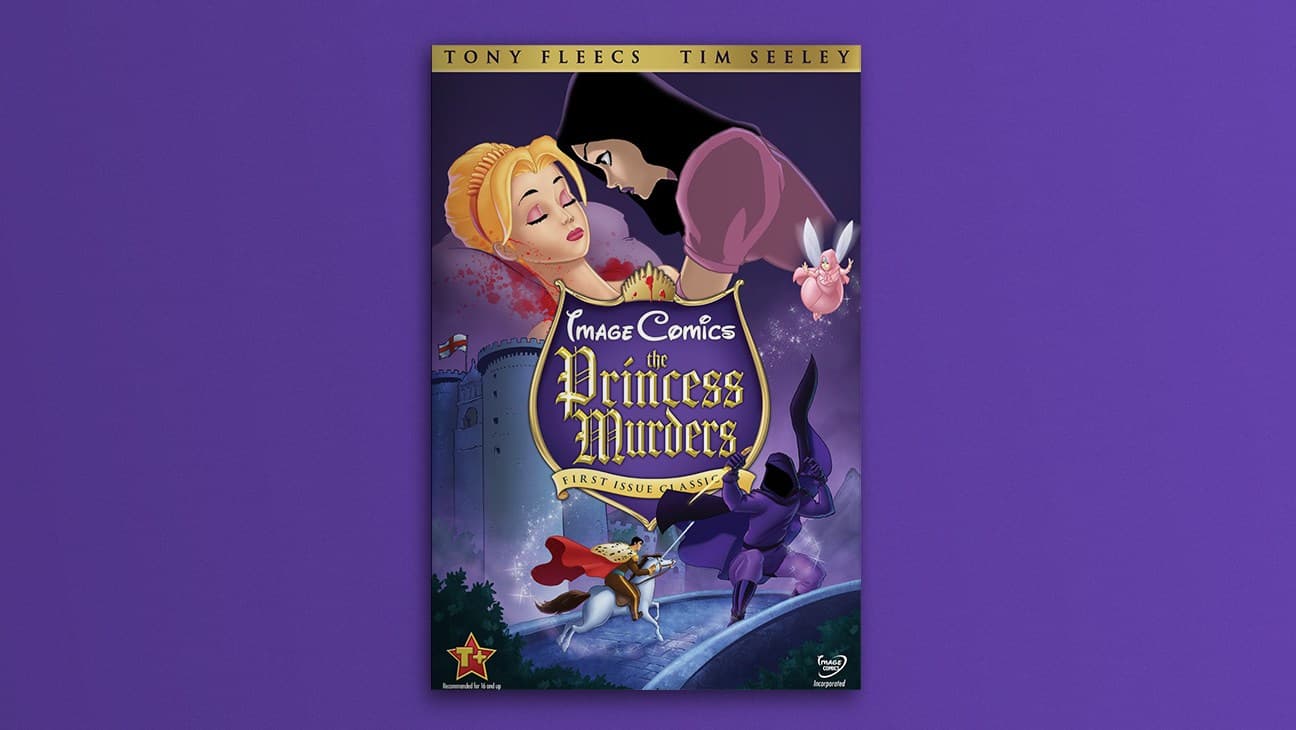
A comic book about blood-soaked royal succession is making its pitch to readers with a marketing gambit borrowed from the house of mouse. The trailer for The Princess Murders, unveiled exclusively through USA Film News, sets its carnage to an original musical number styled after the Disney animation renaissance, complete with soaring strings, a chorus of courtiers, and a candelabra that seems awfully pleased about the body count.
The conceit is deliberate and precise. Rather than cut a conventional teaser built on grim silhouettes and whispered threats, the creative team behind The Princess Murders commissioned a fully orchestrated song-and-dance sequence in which the castle's staff cheerfully invite the audience inside - a wink at the "Be Our Guest" tradition of animated hospitality, rerouted into something considerably less wholesome. The animation in the trailer apes hand-drawn cel work and watercolor backgrounds, then undercuts the warmth with quick flashes of what happens to guests who overstay.
It is a tonal tightrope, and the trailer walks it with visible relish. The song's lyrics, sung by a nameless ensemble of servants, promise fine dining and comfortable quarters while the visuals linger on locked doors, dropped keys, and a dining hall set for far fewer people than it seats.
A Musical Hook With Teeth
What makes the trailer more than a novelty is the way it positions the comic itself. The Princess Murders is, at its core, a mystery wrapped in dynastic intrigue - a string of deaths among royal heirs that someone, presumably, is arranging with care. The trailer's musical framing announces that the book intends to be fun about it. This is not a somber meditation on power; it is a whodunit with a body count and a sense of showmanship.
That choice carries risk. Readers burned by trailers that promise a tone the finished work never delivers tend to notice. But the sequence shown is reportedly drawn from material that appears in the book, not invented for marketing purposes, which suggests the musical sensibility is baked into the comic's voice rather than applied as a veneer.
The Disney Borrowing, Explained
The trailer's debt to Disney animation is unmistakable and, by all appearances, affectionate. The character designs in the musical interlude favor rounded faces and expressive eyes; the backgrounds use layered washes of color; the song builds to a key change that anyone raised on late-eighties and nineties animated features will recognize within two bars.
That familiarity is the point. The creative team is trading on a shared vocabulary of childhood comfort and then quietly poisoning it. The moment a viewer realizes the smiling butler is leading the heroine toward something unpleasant, the borrowed warmth does its work - the joke lands because the reference lands first.
Whether that strategy translates into sales is another question. Comic marketing has grown increasingly elaborate, with animated shorts, live-action skits, and full voice casts deployed to cut through a crowded market. A musical trailer is expensive to produce and difficult to get right. But it is also highly shareable, and shareability is the currency that matters most in a direct-market landscape where discovery happens on social platforms rather than on spinner racks.
What the Trailer Does Not Say
Notably absent from the trailer is any clear statement of premise beyond atmosphere. Viewers get the castle, the staff, the song, and the suggestion of violence. They do not get a protagonist's name, a motive, or a date. That restraint may be intentional - mystery comics benefit from withholding - but it also means the trailer functions as a mood piece rather than a plot summary.
For a title like The Princess Murders, mood may be enough. The name tells you the genre. The trailer tells you the attitude.
What remains to be seen is whether the comic sustains the balancing act over an entire arc, or whether the musical flourish is a one-note gag that plays better in ninety seconds than across issues. The trailer has done its job: it has made the book legible, memorable, and strange in a way that invites curiosity. Whether the invite is one readers accept - and whether they survive the visit - is now up to the pages themselves.
Source: The Hollywood Reporter