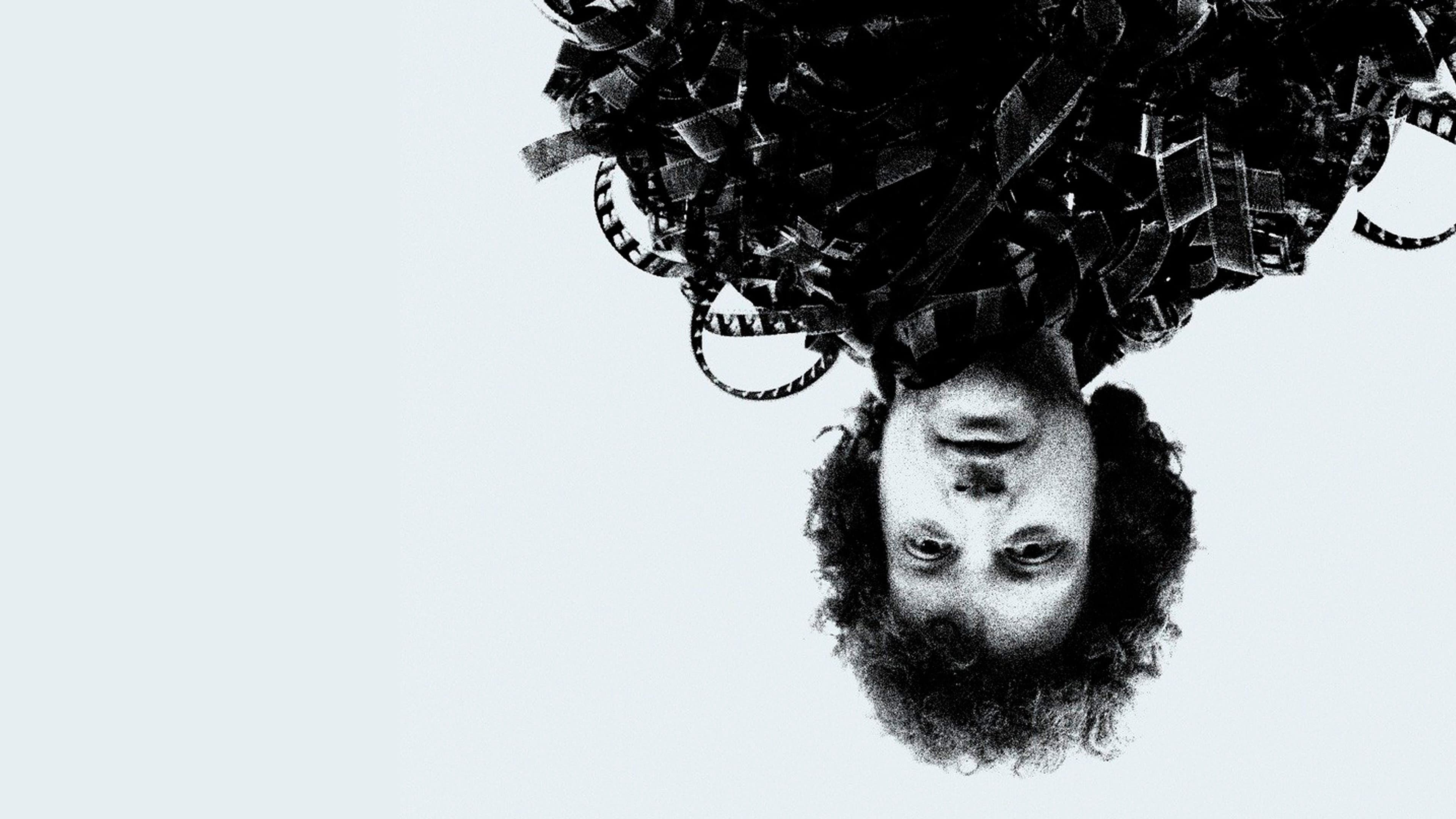
Jeremy Thomas, the British producer whose decades-long career reached its commercial and critical peak with Bernardo Bertolucci's "The Last Emperor," has died at the age of 77. News of his passing was confirmed by his family, though no cause of death was immediately released. Thomas was a singular figure in international cinema - a producer who treated film as an art form first and a business second, and who used his own commercial instincts to bankroll directors others considered too difficult, too ambitious, or too expensive to touch.
Thomas was born in London into a family with deep roots in the British film industry. His uncle was the producer and director Ralph Thomas, and his cousin was Gerald Thomas, the man behind the long-running "Carry On" comedies. Rather than follow that populist path, Thomas struck out on his own, and by the 1970s he had established himself as a producer willing to take genuine risks. His early credits included "The Raggedy Rawney" and collaborations with the then-emerging director Nicolas Roeg, whose hallucinatory style matched Thomas's own appetite for the unconventional.
But it was his partnership with Bertolucci that secured his place in film history. "The Last Emperor," released in 1987, was an epic biography of Puyi, the final monarch of China's Qing dynasty, spanning the collapse of imperial rule through the upheavals of the twentieth century. The production was famously ambitious, with the filmmakers granted unprecedented access to the Forbidden City in Beijing. It was a logistical gamble of enormous proportions. It paid off: the film won nine Academy Awards, including Best Picture, and swept major categories across the board. Thomas accepted the Best Picture Oscar.
A Career Built on Conviction
What made Thomas unusual was not simply the scale of his success but the way he financed it. In 1993, he sold his own distribution company, Recorded Picture Company, to PolyGram in a deal that gave him an extraordinary degree of creative freedom. He then used that freedom to back films that few others would have financed. Among them was "Naked Lunch" (1991), David Cronenberg's adaptation of the William S. Burroughs novel - a project long considered unfilmable, and one that Thomas saw through with characteristic stubbornness. He also produced "Merry Christmas, Mr. Lawrence" (1983), Nagisa Oshima's prisoner-of-war drama starring David Bowie and Tom Conti, and Terry Gilliam's dystopian "Brazil" (1985), a film whose bitterly contested release became a cause célèbre in the battle between artistic vision and studio interference.
Thomas's collaborations extended across continents and genres. He worked with Wim Wenders on "The American Friend," with Stephen Frears on "The Hit," and with Jonathan Glazer on "Sexy Beast" and "Birth." He was also a producer on "High Rise," the Ben Wheatley adaptation of J.G. Ballard's novel. His filmography reads like a map of late twentieth and early twenty-first century art cinema, united less by style than by an insistence on the director's primacy.
A Producer Who Put Directors First
In an industry increasingly dominated by franchise thinking and algorithmic decision-making, Thomas represented an older, more personal model of production. He was known for building long-term relationships with filmmakers and for trusting their instincts even when the commercial case was unclear. When he was honored by the British Academy of Film and Television Arts, colleagues described him as one of the few remaining producers who genuinely saw the role as enabling artists rather than managing risk. That reputation was earned over more than fifty years and dozens of features.
Thomas remained active well into his later years, shepherding projects through development and lending his name and resources to films that might otherwise never have found backing. He was, by all accounts, unbothered by the industry's shifting fashions. He once described his approach as a matter of simple arithmetic: find a director with a vision, secure the rights, and then protect that vision until the film was finished. It was a formula that produced both triumphs and disappointments, but it never produced indifference.
He is survived by his family and by a body of work that will outlast most of the trends he ignored. For audiences, his legacy is a run of films that took seriously the idea that cinema could be both popular art and personal expression - and that a producer's job, at its best, was to make the impossible merely difficult.
Source: The Hollywood Reporter