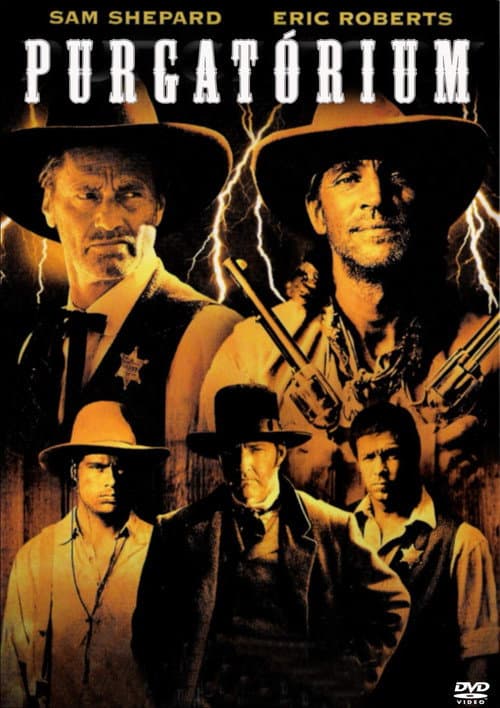
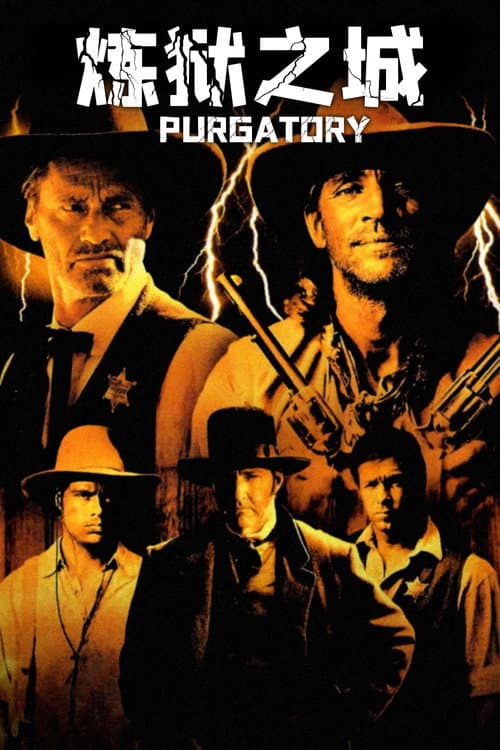
The Toronto International Film Festival became the unlikely pulpit for a blistering domestic comedy this week, as the filmmaker behind Purgatory returned to the fall circuit with a project that trades the afterlife for the living room. The new dark divorce comedy, which premiered to a packed house, finds its director steering between two warring parents and a young daughter who refuses to pick a side - a premise that turns the family court into a battlefield and the child into the only adult in the room.
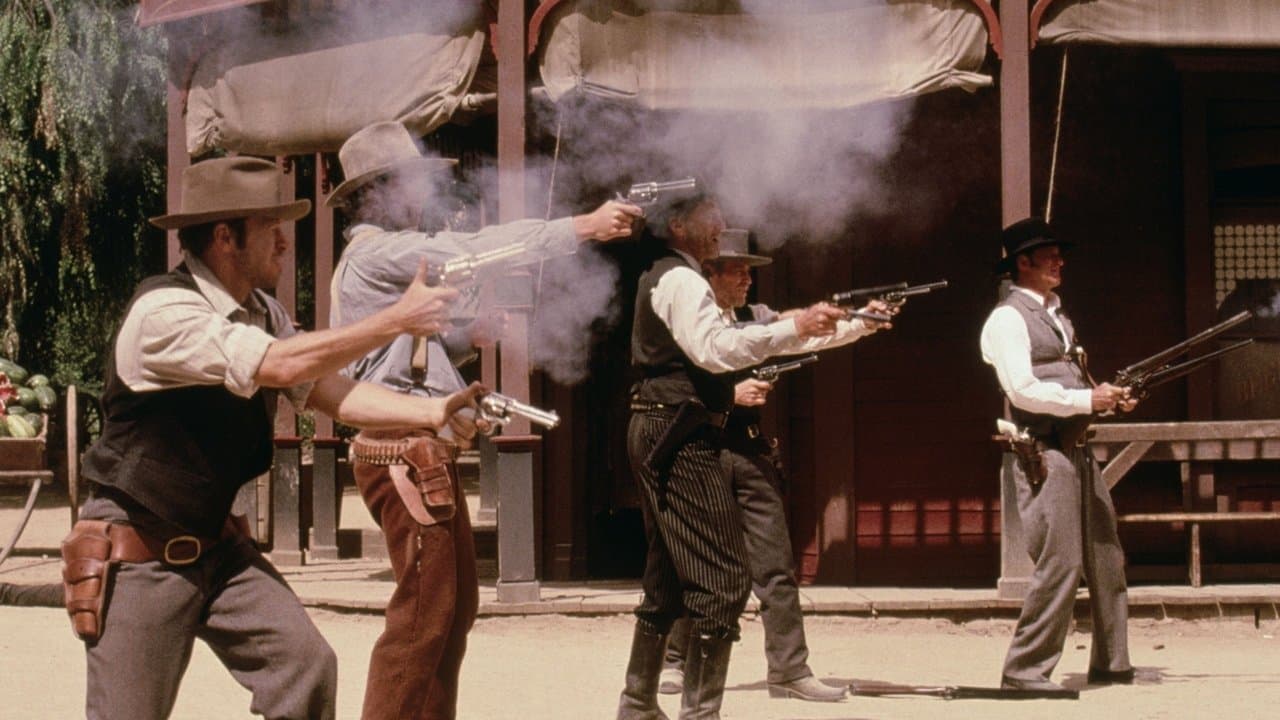
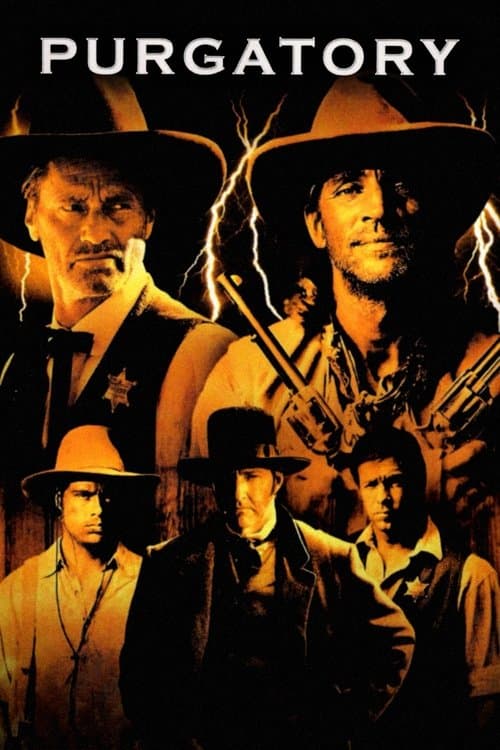
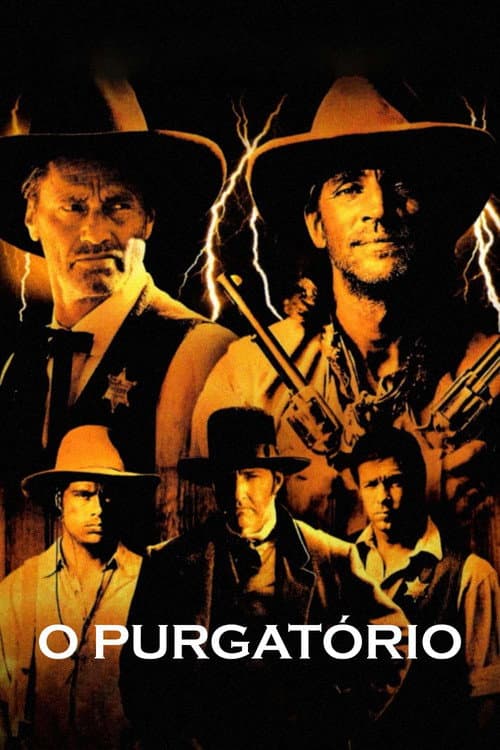
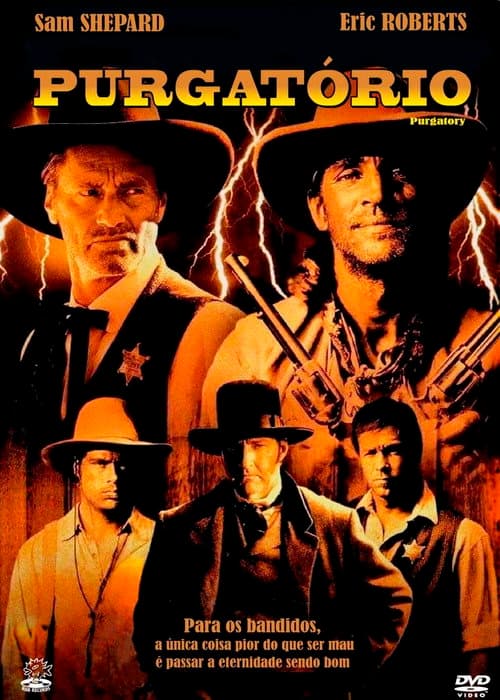
The film arrives on the heels of the director's 1999 television feature Purgatory, a fantasy Western that aired on TNT and has since become a quiet cult favorite. That earlier work, which runs 94 minutes and carries a 7.169 rating on TMDb, imagined a town called Refuge where no one carries a gun, drinks, or swears - because every resident is a famous dead outlaw waiting to learn whether they ascend to Heaven or descend to Hell. Sam Shepard led the cast as Sheriff Forrest, a figure revealed to be Wild Bill Hickock, alongside Randy Quaid's Doc Woods, Eric Roberts as Blackjack Britton, and Donnie Wahlberg as Deputy Glen, also known as Billy the Kid. Peter Stormare, Brad Rowe, JD Souther, and Amelia Heinle filled out the ensemble.
That film's central tension - redemption under surveillance, with eternal stakes - now seems like a rehearsal for this new comedy's more mundane but no less vicious arena. In the divorce story, the parents are not outlaws seeking grace but two people who weaponize affection, using birthdays, school pickups, and legal filings as ammunition. The daughter, according to those who attended the premiere, becomes the film's moral compass and comic engine, a girl whose resourcefulness lands somewhere between a survivalist and a diplomat.
A Festival That Rewards Risk
Toronto has long been a launchpad for filmmakers willing to mix tones that studios prefer to keep separate. A dark comedy about divorce that also functions as a girl-power narrative fits that tradition, though the director's willingness to let both parents be genuinely awful - rather than casting one as villain and the other as victim - drew the strongest reactions from early viewers. The film does not resolve the war so much as teach its youngest character how to navigate it, a choice that several critics described as both ruthless and oddly hopeful.
The director, speaking after the screening, declined to frame the movie as autobiographical, though the specificity of the arguments - who forgot the permission slip, who scheduled a deposition on the same day as a recital - suggested firsthand observation. The humor lands because the stakes are small and enormous at once: a child's loyalty treated as property, a weekend visit treated as a verdict.
From Refuge to the Recital Hall
It is worth noting how far the filmmaker has traveled from Purgatory's dusty saloon. That 1999 TV movie was a genre hybrid - Fantasy, Western, TV Movie, by its official categorization - and it wore its moral architecture openly. The town's rules were literal: no guns, no whiskey, no profanity. Redemption was a test you could fail. In the new comedy, the rules are unwritten, contradictory, and enforced by two people who cannot agree on anything except that the other is to blame. Heaven and Hell have been replaced by custody schedules and therapy appointments. The outlaw band has become a nuclear family in freefall.
Yet the through-line is legible. Both works ask what happens when flawed people are forced into a confined space and told to behave. In Purgatory, the confinement was metaphysical; in the divorce comedy, it is legal and emotional. The director seems drawn to characters who know they are being judged and still cannot help themselves.
Awards Season Arithmetic
The film leaves Toronto without a distribution announcement, though the buzz in the corridors suggested multiple buyers were circling. Its awards prospects are harder to read. Dark comedies about family dissolution have a respectable festival history but a spotty record with Academy voters, who tend to reward either the sting or the sentiment, not both at once. What the film has going for it is a central performance - the young actress playing the daughter - that several festivalgoers described as a breakthrough. If the movie finds an audience, it will likely be because of her.
For now, the director's festival run continues, and the conversation around the film remains split between those who found it cathartic and those who found it too close to the bone. That split, arguably, is the point. In Purgatory, you knew where you stood: Heaven upstairs, Hell downstairs, and a sheriff keeping score. In the new film, the verdict is still out, and the only character with a clear-eyed view of the proceedings is the one who never asked to be a witness.
Source: The Hollywood Reporter