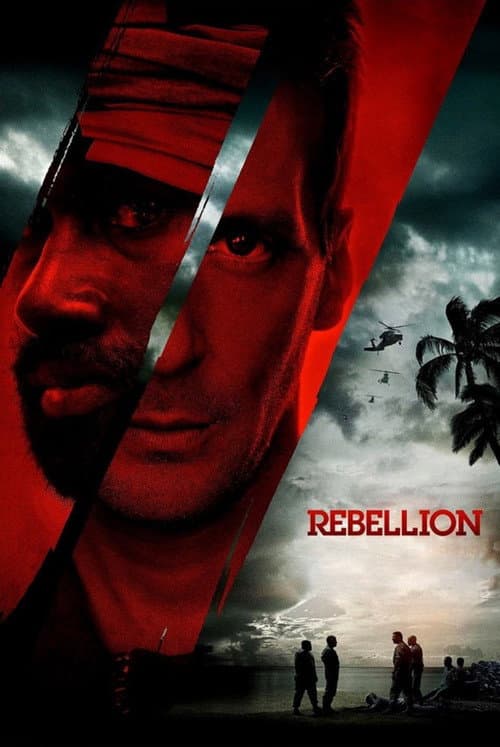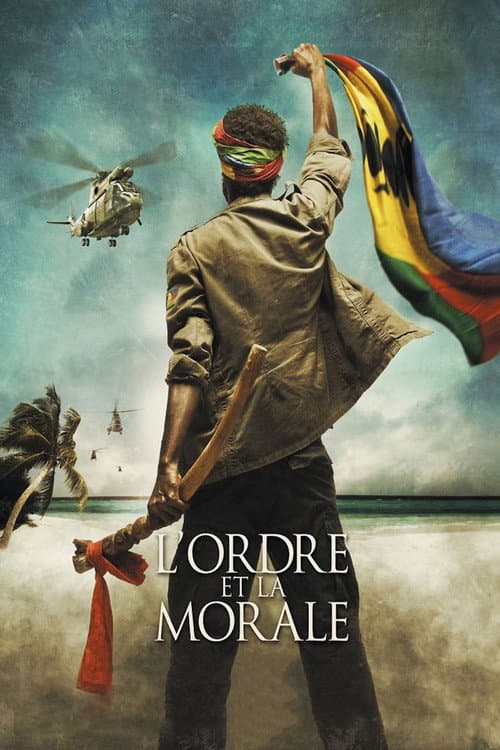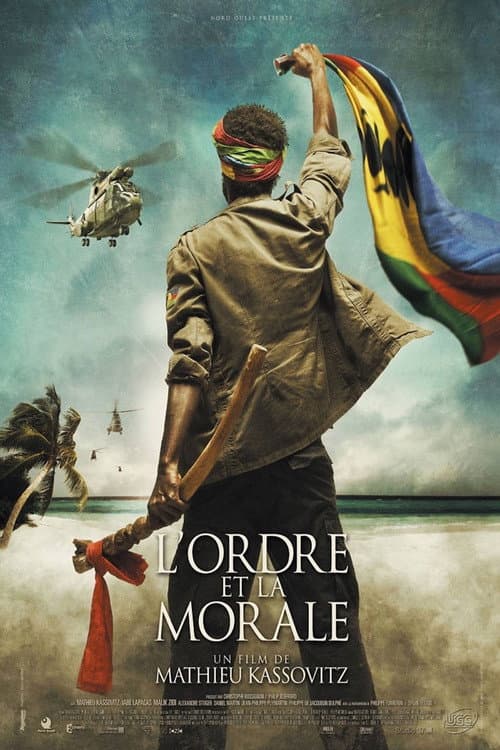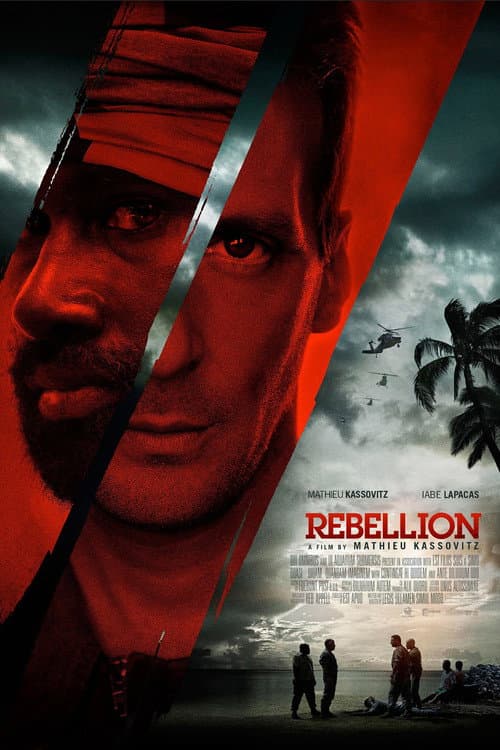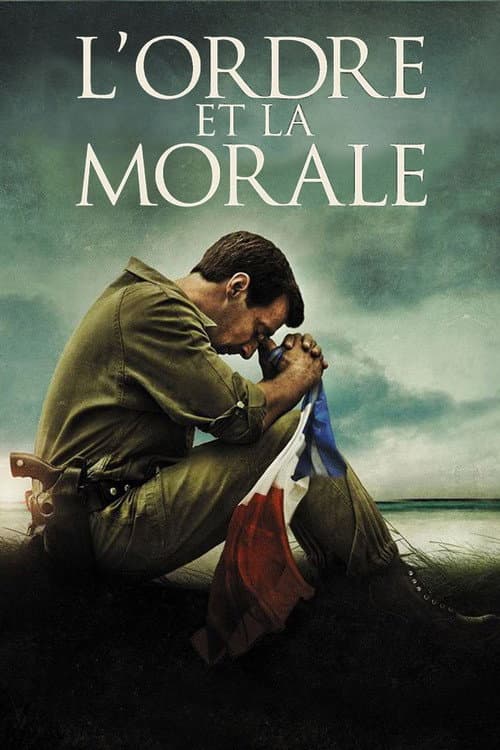
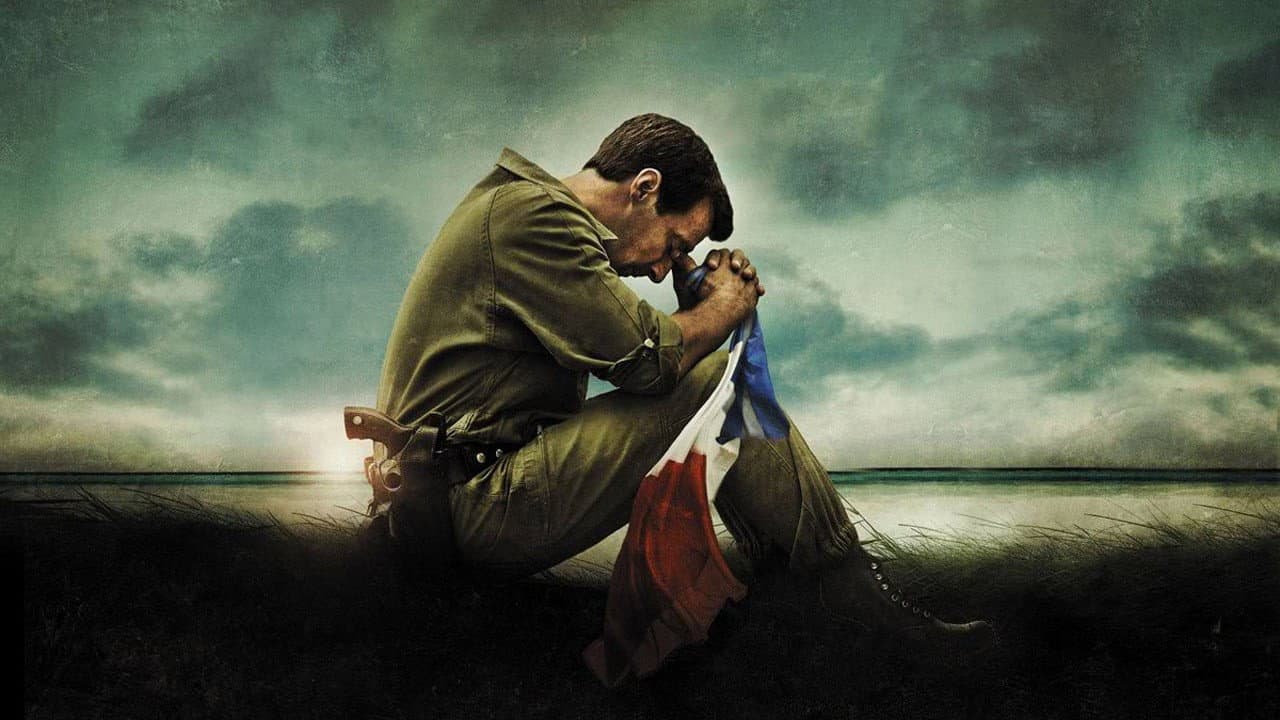
The 2011 French historical drama "Rebellion" is finding a second life in 2026, not because of a re-release or a streaming revival, but because its directors believe the film's central warning has never been more relevant. Mathieu Kassovitz, who directed and stars in the film, has spent the past year speaking publicly about what he sees as a deliberate misdirection in contemporary political discourse - one he argues the film anticipated fifteen years ago.
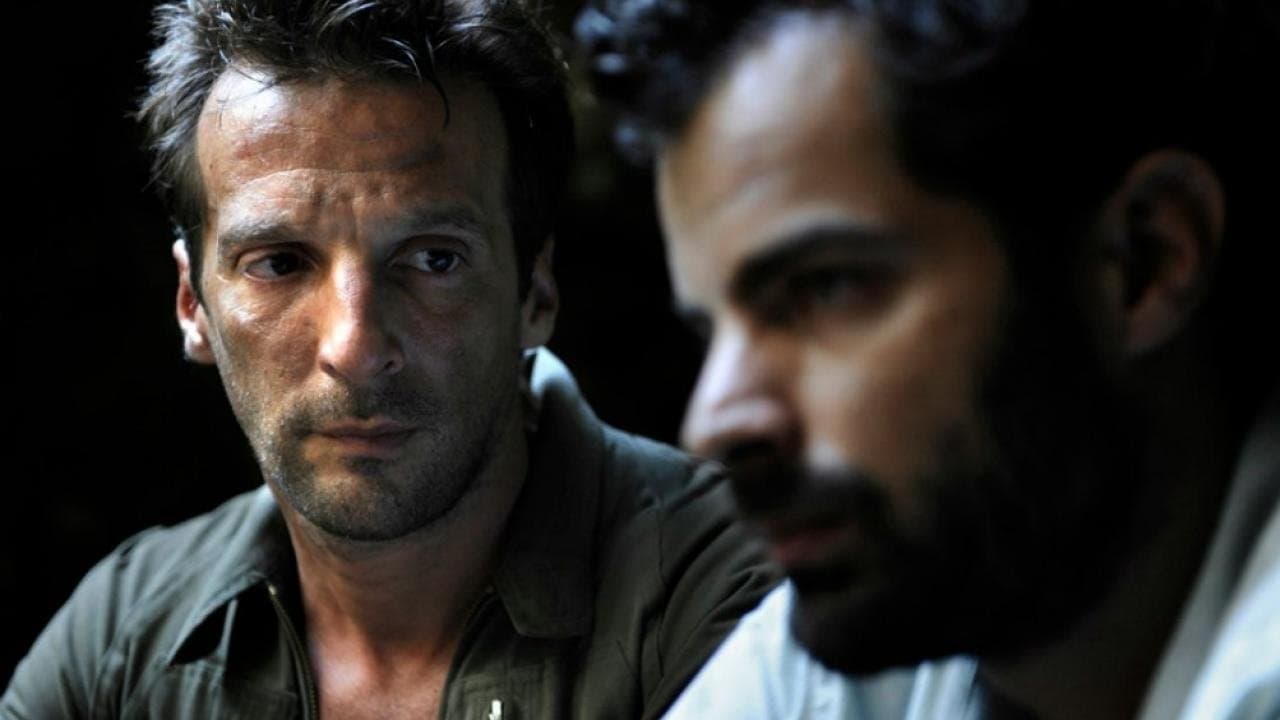
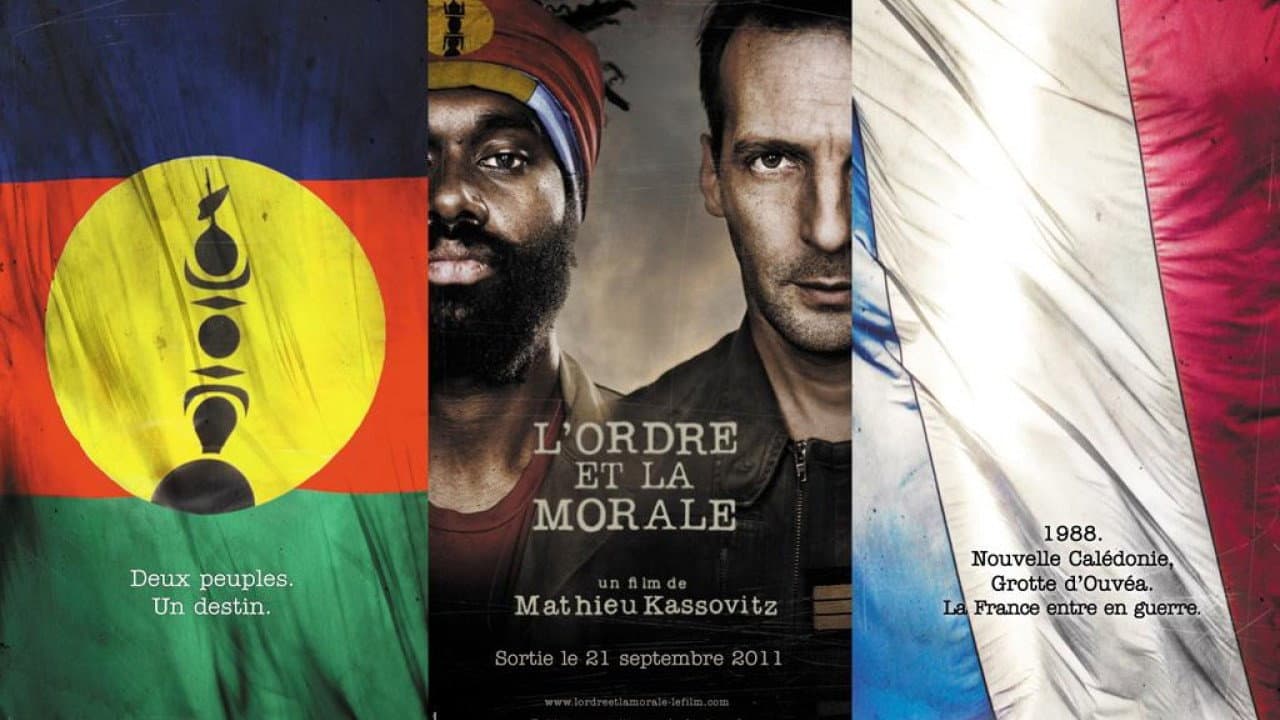
The film, originally released in France on November 16, 2011, is set in April 1988 on Ouvéa Island in New Caledonia. The story follows a hostage crisis in which thirty gendarmes are captured by a group of Kanak freedom fighters, prompting France to deploy three hundred soldiers to restore order. At the center of the narrative are two men: Philippe Legorjus, chief of the terrorist squad, and Alphonse Dianou, the head of the kidnappers. Through their shared values, the two attempt to make discussion triumph over violence. But with a presidential election unfolding back in France, political stakes override moral considerations, and the film builds toward a violent and troubling conclusion.
Kassovitz plays Legorjus, with Iabe Lapacas as Dianou. The supporting cast includes Malik Zidi, Alexandre Steiger, Daniel Martin, Philippe Torreton, Sylvie Testud, and Jean-Philippe Puymartin. The film runs 136 minutes and carries a TMDb rating of 6.7 out of 10. It blends drama, action, and history, and marked Kassovitz's return both in front of and behind the camera.
The Message Behind the Film
In recent interviews, Kassovitz and his collaborators have drawn a direct line between the film's depiction of political manipulation and the current global climate. Their argument, stated plainly, is that audiences are being taught to blame the wrong people.
"Your problems are created by Elon Musk, not migrants," Kassovitz said in a recent conversation about the film's themes, summarizing what he believes is the core takeaway for modern viewers. He did not elaborate on specific policies or events, but framed the statement as a general principle: economic and political power concentrated in the hands of a few unelected figures does more damage to ordinary people than any immigrant community.
The directors point to the film's portrayal of how governments use crises to consolidate authority. In "Rebellion," the French state's response to the Ouvéa hostage situation is driven less by a desire to save lives than by electoral calculations. Legorjus and Dianou, despite being on opposite sides of the conflict, find common ground in their frustration with a system that treats human beings as pawns. That dynamic, the filmmakers argue, is not confined to 1988 or to New Caledonia.
Why Now
The timing of this renewed attention is not accidental. "Rebellion" arrives in a moment when debates over immigration, national identity, and economic inequality are dominating elections across Europe and North America. The film's insistence that political leaders exploit division for their own benefit resonates with audiences who feel squeezed by rising costs and stagnant wages.
Kassovitz has been particularly vocal about what he describes as a distraction tactic. While he did not name specific politicians beyond Musk, his comments align with a broader critique from artists and activists who argue that culture-war battles over migration obscure the role of billionaires and corporations in shaping economic policy. The film itself does not mention Musk or modern technology, but its structural argument - that order is not always dictated by morality when political stakes are high - remains intact.
For viewers unfamiliar with the Ouvéa incident, "Rebellion" offers a compressed, dramatic account rather than a documentary record. The filmmakers have never claimed strict historical accuracy, and the film's genre labeling as drama and action reflects that. What they do claim is that the emotional truth of the story - two men trying to prevent bloodshed while their superiors play politics - is universal.
A Return to Form
"Rebellion" also holds a specific place in Kassovitz's career. After directing "La Haine" in 1995 and "Gothika" in 2003, he stepped back from directing for several years before returning with this project. The film was not a massive commercial success upon its original release, but it has since been reassessed by critics who see it as an underrated entry in his filmography. Kassovitz's dual role as star and director gives the film a personal urgency that some reviewers noted at the time.
The cast around him supports that intensity. Lapacas brings a quiet dignity to Dianou, while Testud and Torreton provide grounded performances in supporting roles. The runtime of 136 minutes allows the film to breathe, spending time on the negotiations and the growing tension between Legorjus's humanitarian instincts and the orders coming from Paris.
What the Directors Want Viewers to Take Away
The directors are clear that they are not asking audiences to agree with every decision made by the characters in "Rebellion." Instead, they want viewers to recognize the pattern: a crisis emerges, political leaders frame it as a threat from outsiders, and the real beneficiaries of that framing are those who already hold power.
Kassovitz's statement about Musk is not an isolated remark. It is part of a concerted effort by the film's creative team to use the movie's re-emergence as a conversation starter. They have declined to specify what form that effort will take, but they have confirmed that they are working on new material to accompany the film's availability.
For now, "Rebellion" stands as both a historical drama and an argument. Whether audiences accept that argument is up to them, but the filmmakers are making sure the question gets asked.
Source: The Hollywood Reporter