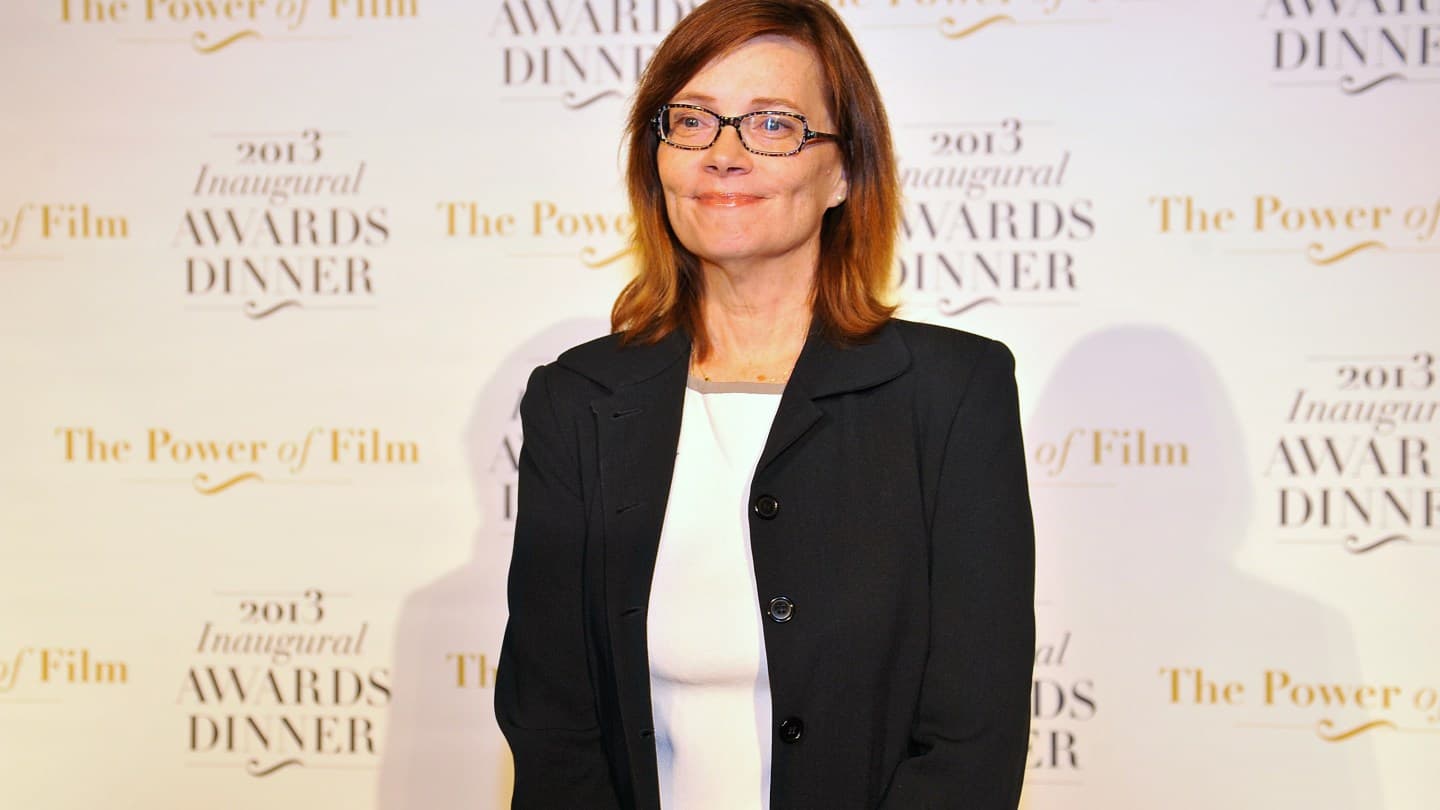
Ann Hornaday, the longtime chief film critic of The Washington Post, is being remembered this week as a writer whose enthusiasm for cinema was matched only by the generosity with which she shared it. Hornaday, who spent more than two decades reviewing movies for the Post and whose voice became a fixture for readers across the country, died at 71. Her passing prompted an outpouring from critics, filmmakers and ordinary moviegoers who said she had shaped how they watched and talked about film.
What set Hornaday apart was not simply the volume of her output, though it was considerable, but the intimacy she brought to the job. She did not review films from a distance. She wrote as though she had just come from the theater and could not wait to tell you what she had seen. That instinct - to invite readers in rather than lecture them - made her one of the most widely read critics in American journalism and a rare figure whose byline carried the same weight with casual ticket-buyers as with industry insiders.
A critic who took readers seriously
Hornaday joined The Washington Post as a film critic in 2002 and became the paper's chief critic, a post she held for more than two decades. Before that, she covered film for The Baltimore Sun and contributed to a range of national publications. Her work was anthologized and taught, and her reputation stretched well beyond the capital.
But her influence was perhaps most personal at the level of the individual reader. Hornaday wrote for people who loved movies and for people who were not sure what to see on a Friday night, and she treated both with the same respect. She believed that a review should be an act of conversation, not a verdict delivered from on high. Colleagues remembered her as a writer of fierce standards and unguarded joy - someone who could be withering about a cynical studio product and, in the next paragraph, rhapsodic about a small film that had moved her.
She was, in the most literal sense, a moviegoer's critic. Her reviews often began with a scene, a gesture, a feeling in the audience, and only later arrived at judgment. That approach helped make her a trusted guide for readers who wanted to understand not just whether a film was good, but what it was doing and why it mattered.
Tributes from across the film world
Word of her death brought tributes from critics and filmmakers who described her as a mentor, a champion and a model. Younger writers cited her clarity and her willingness to take films - and the people who made them - seriously. Directors recalled her attention to craft and her capacity to see what a film was reaching for, even when it did not fully arrive.
The remembrances carried a common thread: Hornaday made people feel welcomed into a world that could otherwise seem closed. She wrote about cinema as something to be shared, argued over and loved. Her enthusiasm was not promotional but infectious, and it drew readers toward films they might otherwise have skipped.
The voice that stayed with readers
Hornaday's tenure coincided with enormous change in how people encounter criticism. She began at the Post before streaming upended release patterns and before social media reshaped the conversation around movies, and she adapted without surrendering her voice. Her reviews remained unmistakably hers - curious, warm, occasionally sharp, always written for a reader she seemed to picture on the other side of the page.
That is the part of her legacy colleagues keep returning to. Hornaday did not simply tell readers what to see. She invited them into her film world - a place of serious argument and genuine pleasure - and, in doing so, made a case for criticism as a form of hospitality.
For the readers who followed her for years, the loss is personal. The Friday review, the year-end list, the essay that arrived just when a film needed explaining - those were not just coverage. They were a standing invitation, extended week after week, from a critic who believed movies were worth taking seriously and readers were worth writing for.
Source: The Hollywood Reporter