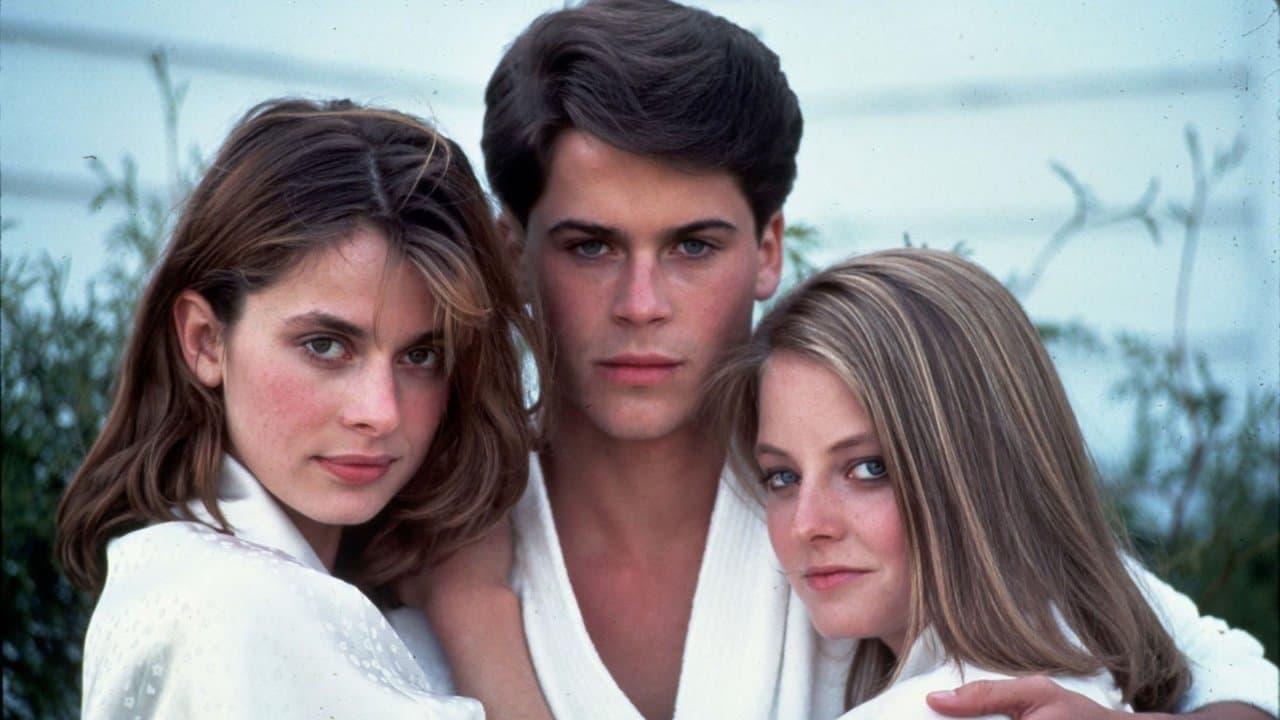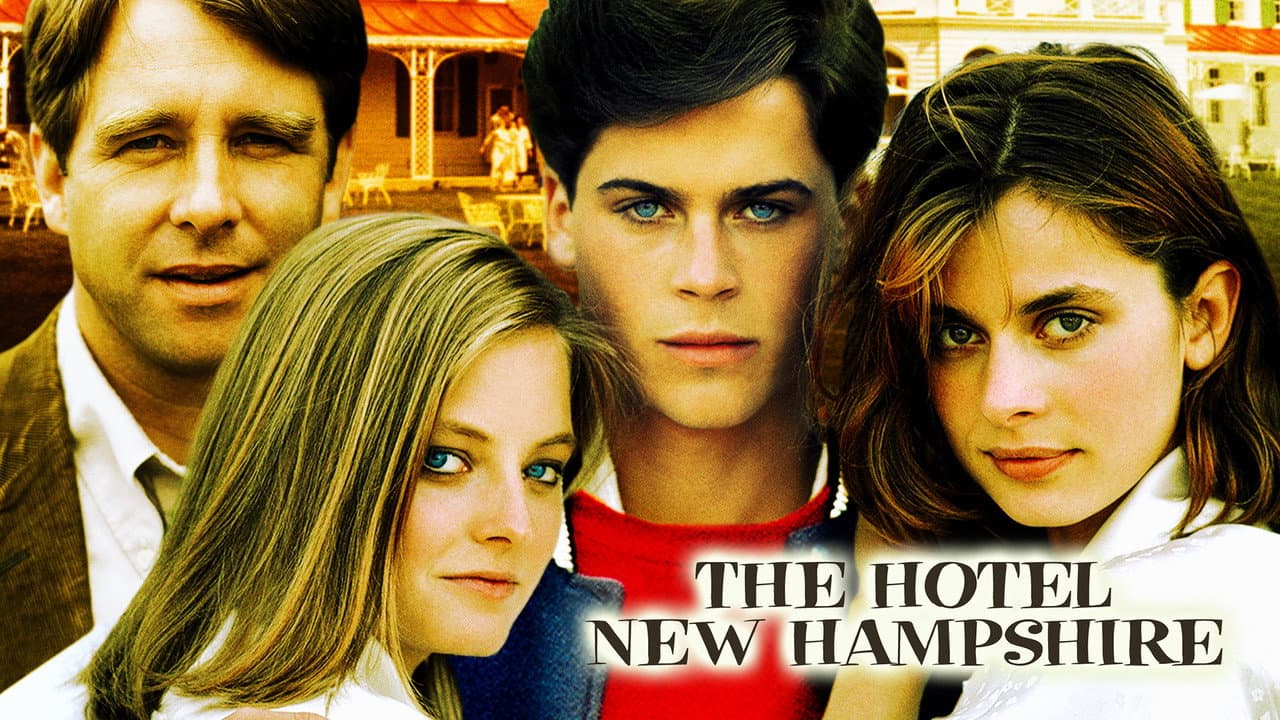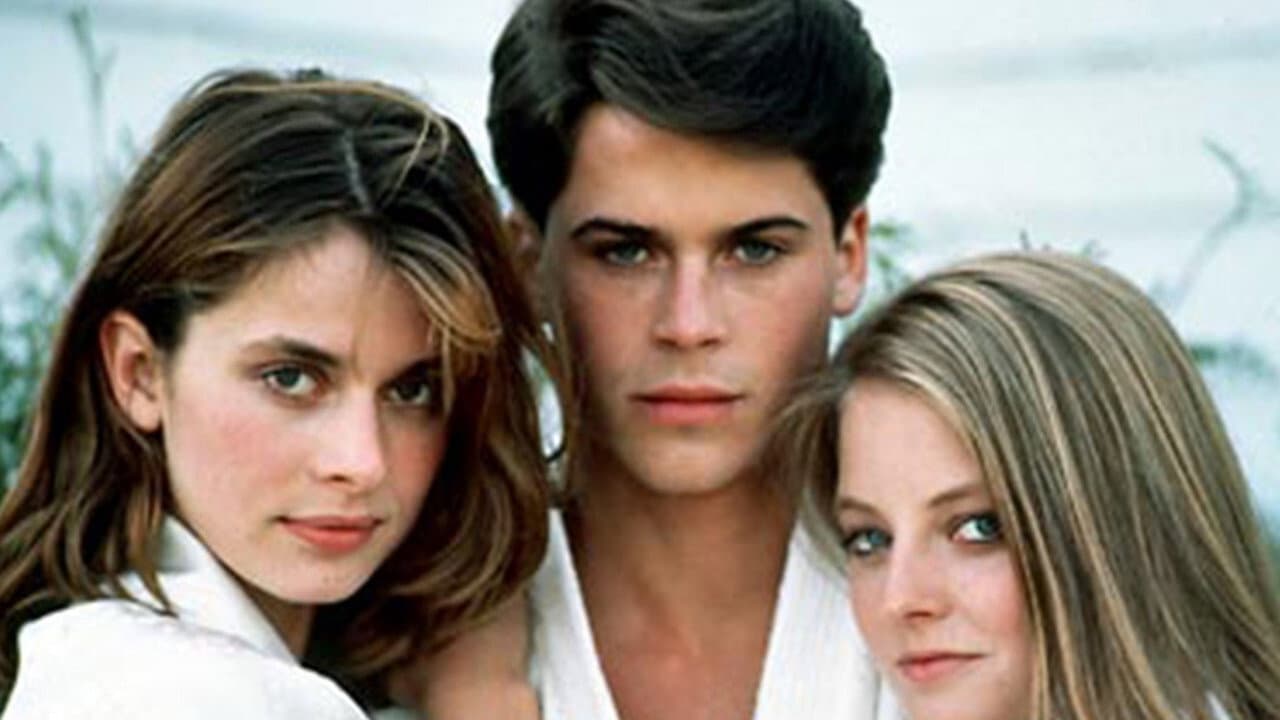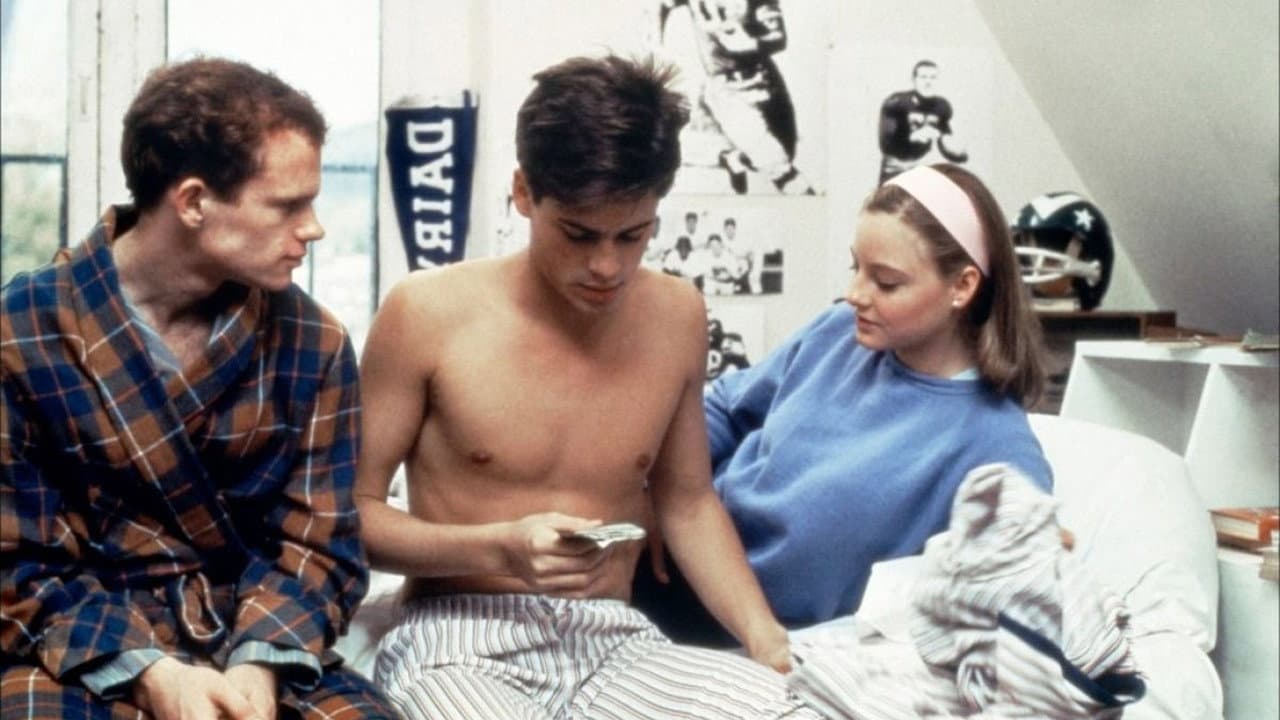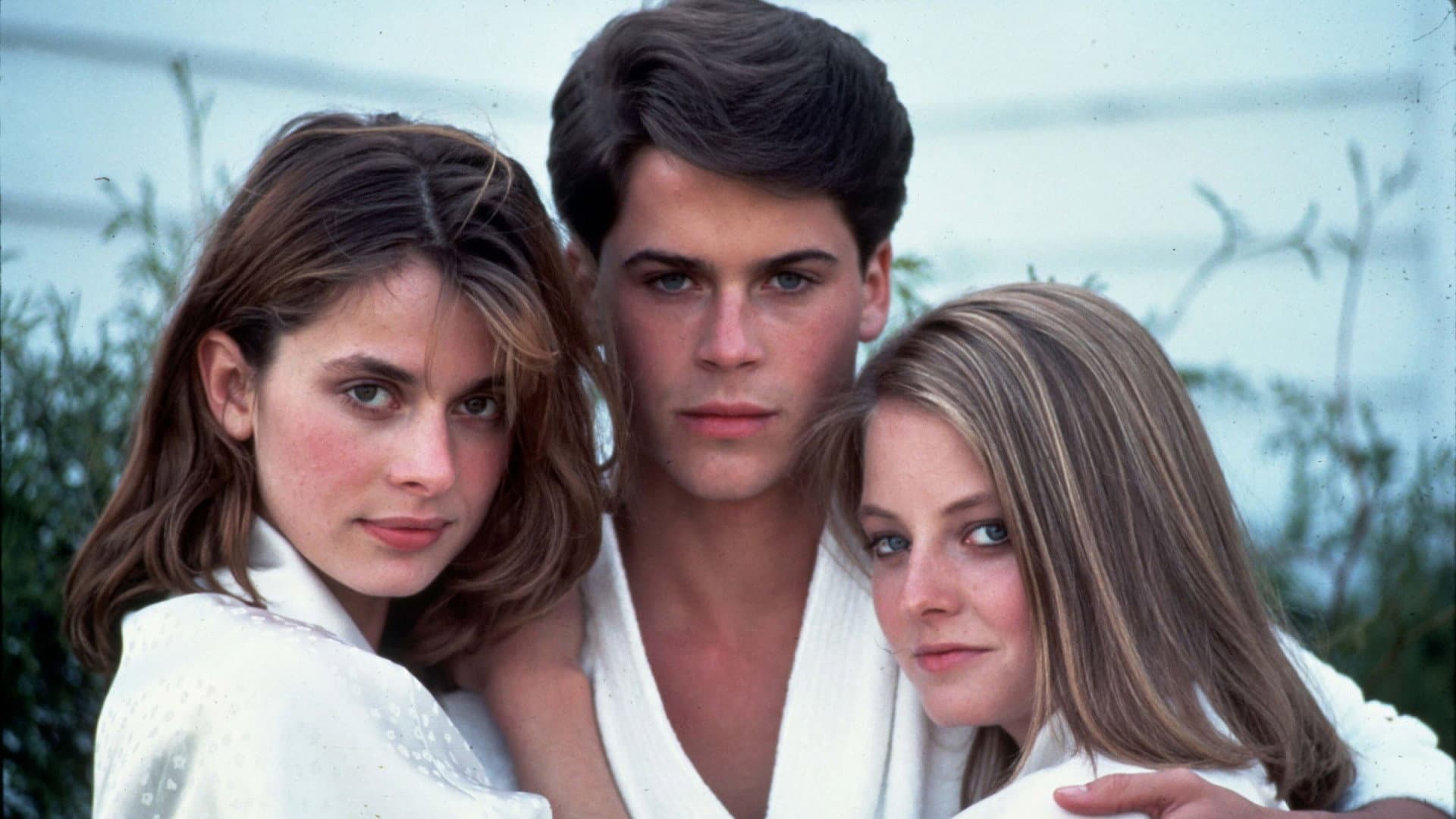
Rob Lowe has claimed that the late Tony Richardson, who directed the 1984 adaptation of John Irving's "The Hotel New Hampshire," actively encouraged his cast to pursue sexual relationships with one another during production. Lowe made the remarks in a recent interview while reflecting on the film, which starred him as John Berry alongside Jodie Foster as Franny Berry, Beau Bridges as Win Berry and Nastassja Kinski as Susie the Bear. The actor described the atmosphere on set as characteristic of a very different era in Hollywood, one in which such directives from a director could be issued openly.
On-Set Climate Recalled
According to Lowe, Richardson's encouragement was not limited to vague suggestion. The actor characterized the director's attitude as a deliberate effort to break down boundaries among the young performers, telling the cast in effect that they should have sex with each other. Lowe did not detail how individual cast members responded, and his account has not been corroborated by other participants in the film. "It was a different world," Lowe said, framing the episode as a product of working conditions and social norms that have since shifted substantially.
The film, released on March 9, 1984, was produced within the Hollywood studio system in English. It runs 110 minutes and blends comedy and drama in its portrait of an unconventional family. The story follows a father and his eccentric clan over several years beginning in the 1950s, as they run hotels in New England and Vienna and see their lives reshaped by unexpected events. Beyond Lowe, Foster, Bridges and Kinski, the ensemble included Wilford Brimley as Iowa Bob, Paul McCrane as Frank Berry, Jennifer Dundas as Lilly Berry and Wallace Shawn as Freud.
A Reception That Fell Short of Ambition
Despite its literary pedigree and a cast thick with rising and established talent, "The Hotel New Hampshire" drew mixed-to-negative notices and remains one of the less celebrated entries in Richardson's filmography. Audience and critical scores sit below the midpoint: TMDb records a rating of 5.7 out of 10, while IMDb lists 5.9 out of 10. Those figures place the picture well short of the acclaim that greeted several of its performers in other projects. Lowe was in the early phase of a career that would later include a long run on "The West Wing," while Foster was already an established screen presence and Kinski was coming off a period of intense international attention.
The film arrived at a moment when Hollywood was beginning to confront questions about power and intimacy behind the camera, though the full reckoning would not arrive for decades. Lowe's recollection adds to a growing body of first-person accounts from performers of that generation describing how directors sometimes treated the boundary between professional collaboration and personal conduct. Such stories have become more common as actors revisit earlier phases of their careers with a degree of candor that was less typical when the films were new.
Why the Disclosure Lands Differently Now
Lowe's remarks carry weight in part because of who is speaking: a veteran actor with a long and largely mainstream career, not a figure known for provocative claims. That makes his characterization of Richardson's approach harder to dismiss as idle reminiscence. At the same time, a single account is not a full record. The relevant cast members and crew have not publicly weighed in, and Richardson, who died in 1991, cannot respond. The disclosure therefore rests on Lowe's memory alone, and readers should weigh it as such.
For contemporary audiences, the anecdote also casts a new light on the film itself, which was marketed as a quirky family saga and literary adaptation rather than a document of anything more charged. Anyone revisiting "The Hotel New Hampshire" in light of Lowe's comments will encounter a movie whose on-screen story of oddball family life in New England and Vienna now sits alongside an off-screen history that its director, by this account, helped shape in ways that would be unlikely to pass unremarked today.
Lowe did not indicate that he was describing anything beyond his own experience, and there is no suggestion in his remarks of a formal complaint or investigation. His comments stand as a personal recollection of a production now more than four decades old, offered as an illustration of how much the industry's working culture has changed. Whether others involved in the film choose to add their own memories remains to be seen.
Source: Variety