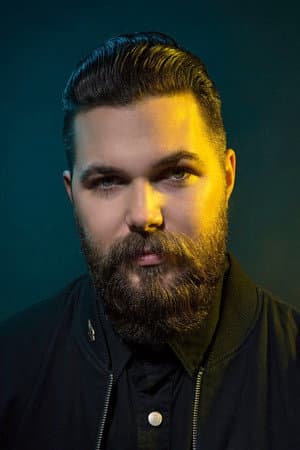
Robert Eggers is ready to step away from the shadows. The filmmaker behind some of the most exacting horror films of the past decade says he is "eager" to take a break from the genre once he finishes his next project, "Werwulf," signaling a possible shift in a career that has been defined by dread, folklore and period detail.
The director's remarks, reported in the days leading up to Thanksgiving, arrive as he continues work on the werewolf story that has been one of his most closely watched undertakings. Eggers has spent years building a reputation as a director who treats horror not as a commercial formula but as a craft tradition, drawing on archaic language, meticulous production design and a palpable sense of historical atmosphere. That approach has made him a favorite among critics and a distinctive voice in contemporary American cinema, even as his films have remained resolutely outside the mainstream.
"Werwulf" was already known to be a project rooted in the same interests that have driven Eggers throughout his career: old stories, regional folklore, and the terror that lurks in the pre-modern world. Few details about the film have been confirmed publicly, and the director has been guarded about how the story will take shape. What is clear is that it represents another deep dive into the genre territory he has occupied since his debut, and that after it he intends to look elsewhere for material, at least for a while.
A Career Built on Dread
Eggers emerged as one of the most talked-about new American filmmakers of the 2010s with "The Witch," a slow-burning Puritan horror tale that announced his interest in the speech, superstition and religious anxiety of early New England. The film was a critical success and established a template the director would refine rather than abandon: immersive period settings, a preference for practical craft over digital spectacle, and a willingness to let unease build slowly rather than rush toward scares.
He followed it with "The Lighthouse," a claustrophobic black-and-white two-hander that pushed his style toward the surreal, and then with "The Northman," a brutal Viking revenge saga that broadened his canvas while keeping his fixation on myth, ritual and violence. Across those three films, Eggers has been consistently identified with a kind of elevated horror, even as he has resisted easy categorization, and his name has become a selling point for audiences who prize atmosphere and authorship over franchise familiarity.
That run has made him one of the more bankable art-house directors working in the United States, though his films have never been designed for mass appeal. His reputation rests instead on a small, devoted audience and on critics who have praised his visual discipline and his refusal to condescend to the genre. The prospect of him stepping back from horror, even temporarily, is therefore notable: it raises the question of what an Eggers film looks like when the supernatural is removed from the equation.
What Comes After Werwulf
The director has not publicly outlined a specific post-"Werwulf" project, and his comments suggest a period of reassessment rather than a firm slate. Taking a break from horror does not necessarily mean abandoning the past, the strange or the unsettling; the genre is only one of the traditions his work draws on, and his interests have always extended to history, myth and the darker corners of human behavior. A shift could mean a straightforward historical drama, a literary adaptation, or something else entirely, none of which has been confirmed.
For now, the focus remains on completing "Werwulf" and on what the director chooses to say about it when he is ready. His remarks about wanting a change of pace are best read as a signal of intent rather than an announcement. In an industry where directors are often encouraged to repeat what has worked, Eggers appears to be considering the opposite, and that in itself is consistent with a career built on resisting expectations.
For audiences who have followed him since "The Witch," the news will prompt mixed feelings. There is disappointment at the thought of fewer tales of witches, ghosts and wolves from one of the genre's most careful practitioners, alongside curiosity about what he might do with a different set of tools. Eggers has never been a prolific filmmaker, and any gap between projects tends to be long. Whatever he chooses next, his departure from horror, if it proves temporary, will be watched closely by a film community that has come to regard him as one of the more serious artists working in American movies today.
Source: The Hollywood Reporter