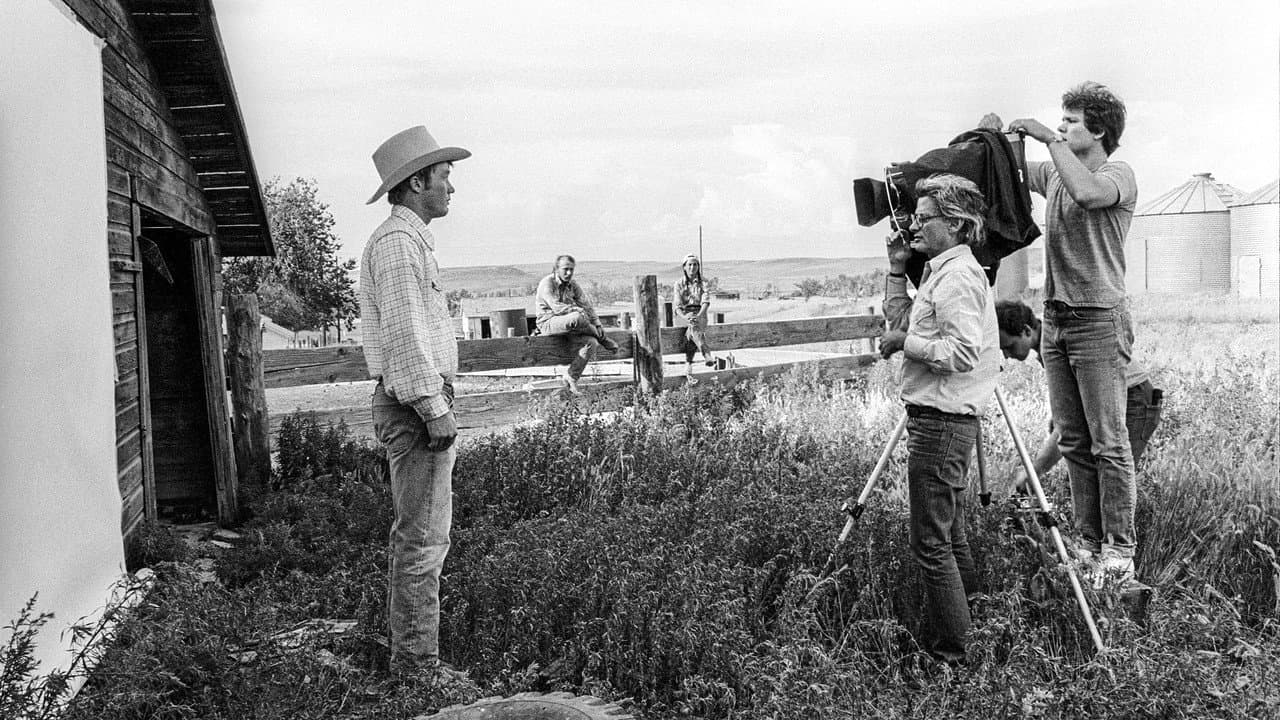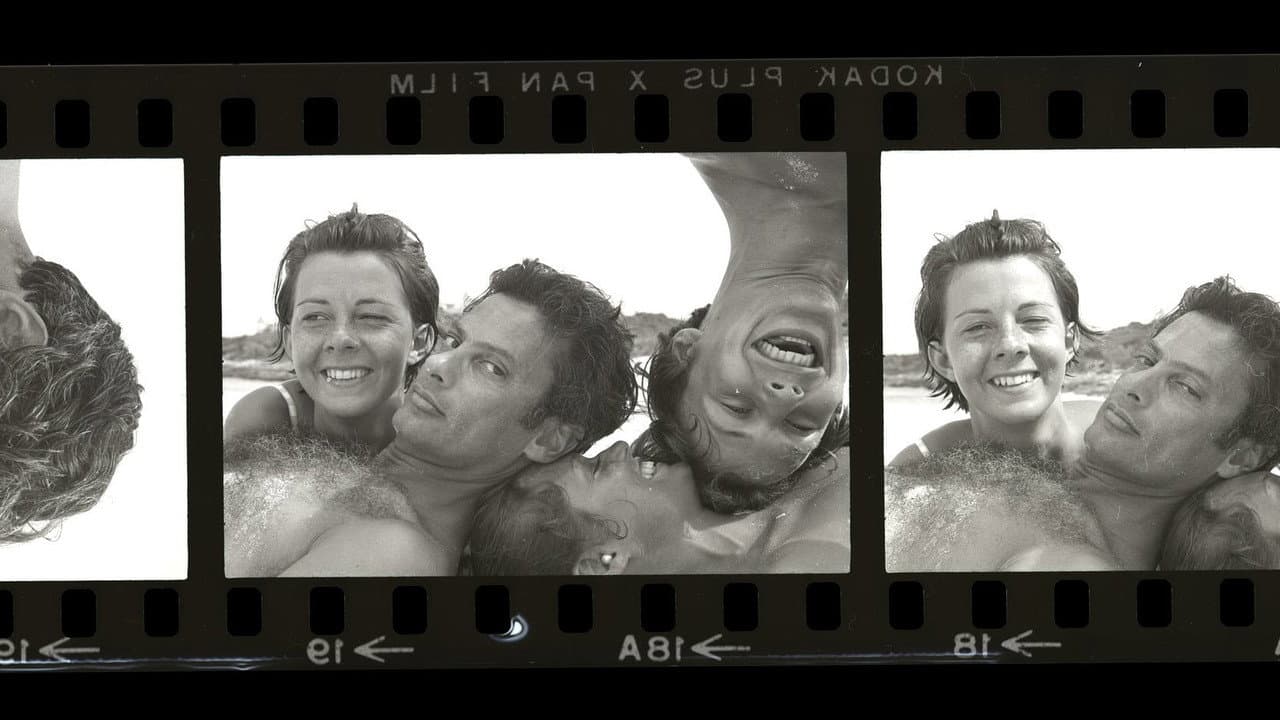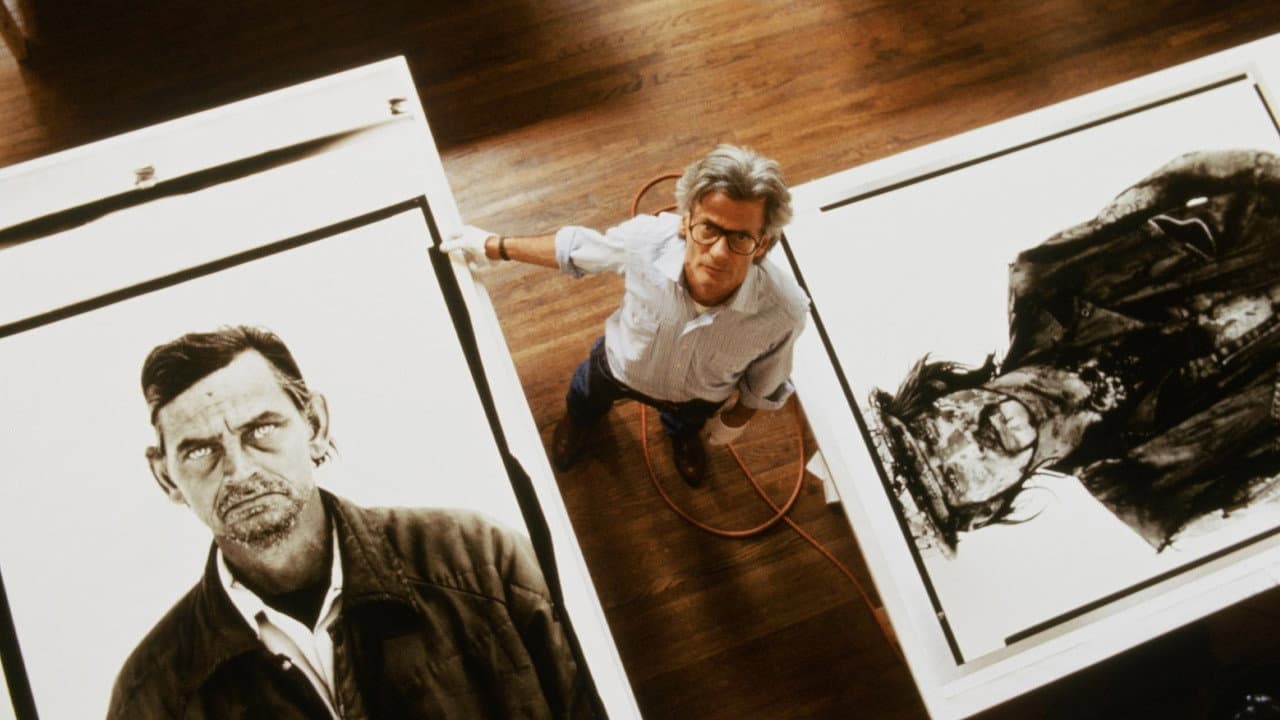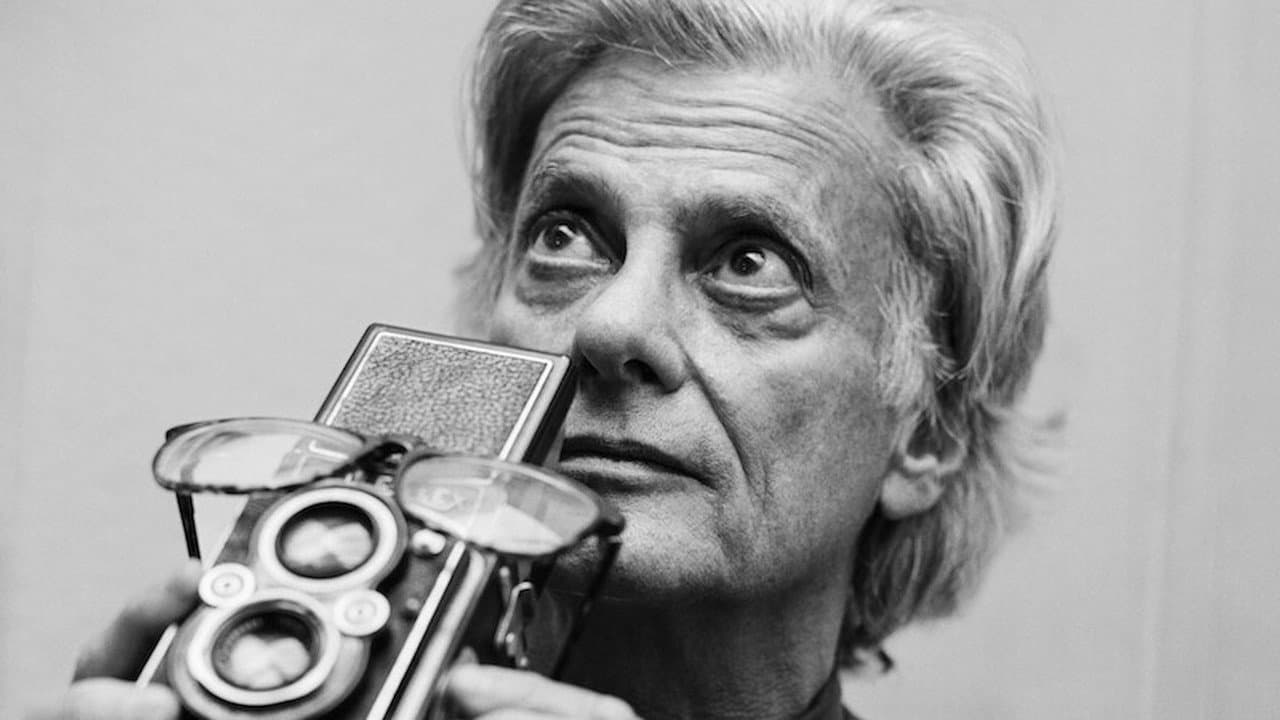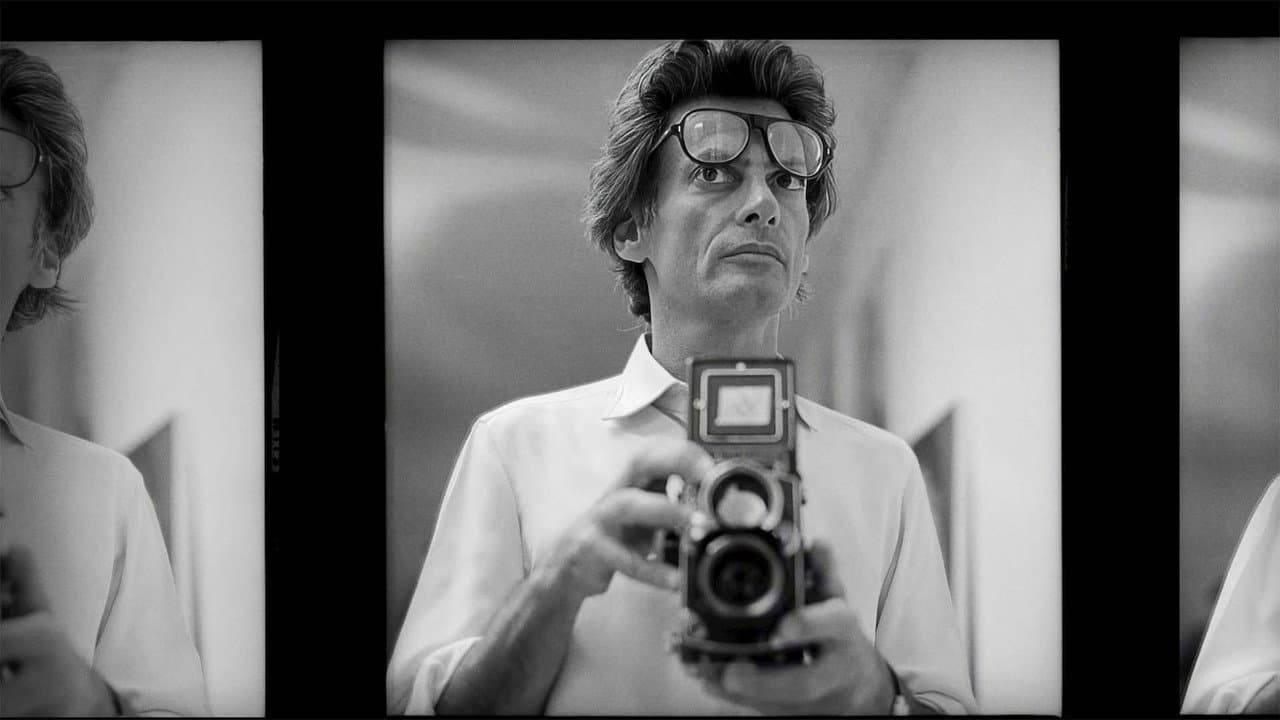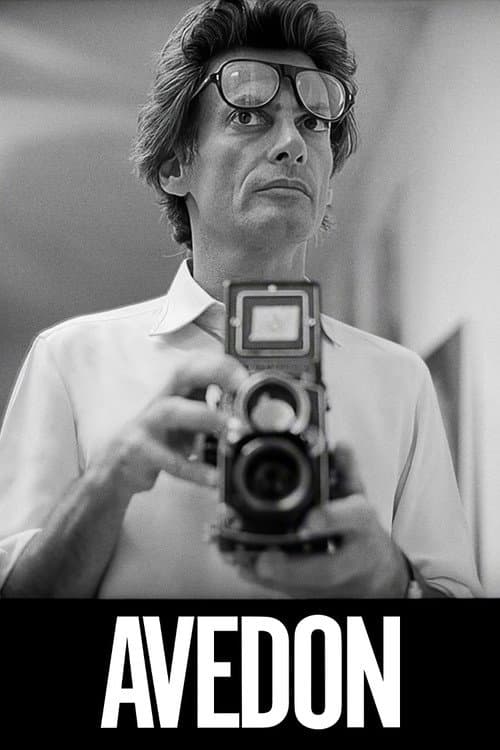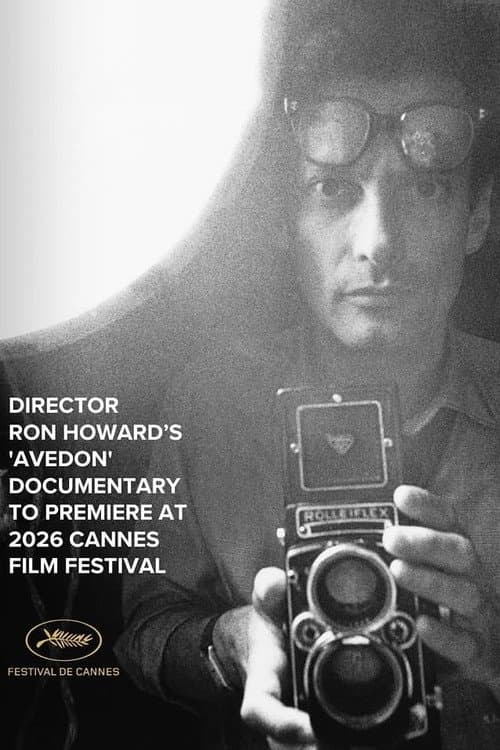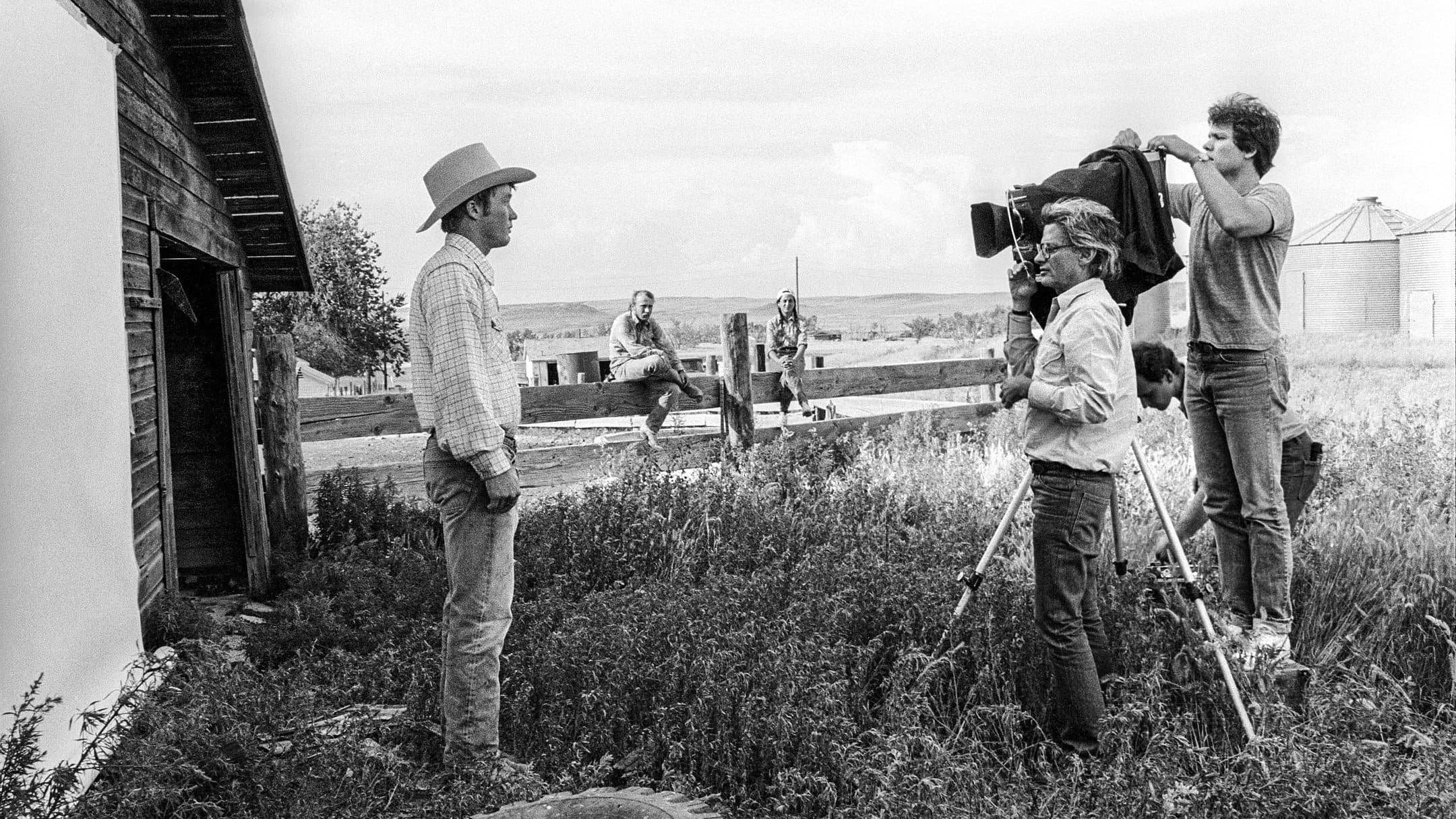
Ron Howard has admitted he initially doubted whether he was the right filmmaker to direct "Avedon," the documentary portrait of photographer Richard Avedon that opened in theaters on November 6. Speaking about the project, Howard said the scope and the archival demands of the film made him question his fit for the job before he committed to it. The feature, which runs 104 minutes, draws on unprecedented access to Avedon's archive, including never-before-seen photographs, behind-the-scenes recordings and interviews with people who knew the artist well.
"Avedon" traces the life and legacy of a photographer whose work in fashion, portraiture and commercial photography examined identity, power, fear and beauty. The film argues that Avedon's images did more than reflect the culture around him; they helped shape it and continue to influence how audiences see the 20th century. It is an English-language Hollywood documentary, and its only credited cast member is Avedon himself, who appears through archive footage.
Why Howard Hesitated
Howard's hesitation centered on the unusual demands of directing a documentary built around a still photographer's archive. The material required him to work as an interpreter of images rather than a director of staged scenes, and he was not certain his background was the natural preparation for that task. He ultimately decided the story was worth the leap, having come to see Avedon's career as a sustained investigation of how people present themselves and how power is pictured. The archive access, with recordings and firsthand accounts supplementing the photographs, gave him a structure he could trust.
An Archive-Driven Portrait
The film's centerpiece is the material itself. Organizers of the project describe the access as unprecedented, and the documentary uses it to move between Avedon's assignments in fashion and advertising and his more personal portraits. Those interviews with people close to Avedon anchor the photographs in the circumstances in which they were made, and they allow the film to treat his commercial work and his portraiture as parts of a single body of thought rather than separate careers.
"Avedon" arrives with modest but respectable scores from audiences and critics: 6.667 out of 10 on TMDb and 6.7 out of 10 on IMDb. That reception suggests a documentary that has found a receptive audience without generating the kind of polarizing debate that sometimes surrounds films about major cultural figures. The film's release in early November places it in the thick of the fall documentary season, when awards-minded nonfiction titles typically compete for attention.
For Howard, the project is a departure from the narrative features for which he is best known, though it shares his long-standing interest in figures who shaped popular culture. His uncertainty about his own suitability is, by his account, part of what made the film a challenge worth taking: the subject demanded a director willing to subordinate himself to the archive rather than impose a signature style on it.
"Avedon" is now playing in theaters. It runs 104 minutes and is rated as a documentary.
Source: The Hollywood Reporter