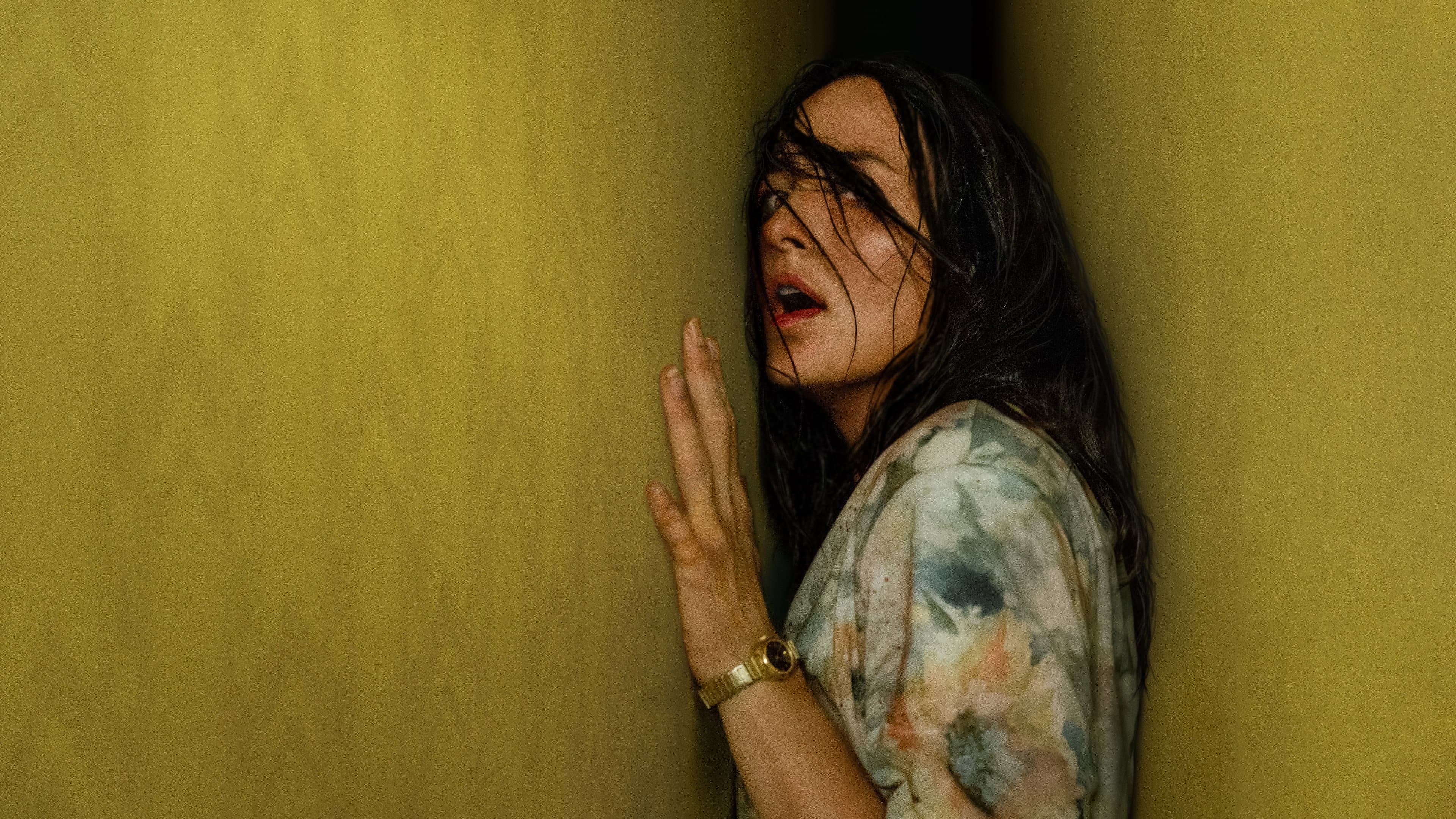
The Rotterdam International Film Festival is turning its spotlight on the restless, lo-fi corner of horror that has migrated from message boards and YouTube rabbit holes into the arthouse conversation. Under the banner of "Analog Horror 2.0," the festival is assembling a program that traces how a generation raised on grainy VHS noise, cursed video-game footage, and found-footage creepypasta has begun reshaping the genre - and it is doing so with a pointed nod to two of the titles that helped push that aesthetic into the mainstream: "Backrooms" and "Obsession."
The framing is deliberate. Rotterdam has long positioned itself as a launchpad for formal experimentation, and festival programmers appear to see the analog wave not as a novelty but as a legitimate cinematic language - one built from compression artifacts, CRT scan lines, distorted audio, and the eerie intimacy of a camcorder left running in an empty room. By naming two reference points in its own title, the festival signals that it is interested in where this movement goes next rather than simply cataloguing its viral hits.
From Internet Subculture to Festival Section
Analog horror's rise has been unusually organic. It grew out of online communities that traded in unsettling images and unexplained footage, often with no credited director and no distribution beyond a share link. The "Backrooms" phenomenon - the idea of an endless, thinly carpeted maze lurking just outside normal reality - became one of the most recognizable expressions of that sensibility, spawning countless imitators and eventually feature-length treatments. "Obsession" occupies a related but distinct space, associated with the same appetite for dread that arrives through degraded images and ambiguous sources rather than jump scares.
What Rotterdam seems to be arguing is that this material has matured past its shock-value phase. The "2.0" in the section's name implies an evolution: filmmakers who grew up fluent in the visual grammar of the internet are now using it with intent, building atmosphere and narrative out of the very imperfections that older cinema tried to eliminate. The result sits comfortably alongside the festival's traditional interest in boundary-pushing work, even as it challenges assumptions about what counts as a film and who gets to be called a filmmaker.
A Provocation for the Arthouse Circuit
The decision to platform analog horror also carries a curatorial argument. Festivals have spent recent years grappling with how to represent moving-image work that lives primarily online, and Rotterdam's answer appears to be to treat it as a subject rather than an anomaly. Putting "Backrooms" and "Obsession" in the same breath as a festival section title lends the movement a kind of institutional recognition while keeping its outlaw energy intact.
That tension - between the underground and the red carpet - is likely to define the conversation around the program. Purists may worry that formal recognition sandpapers away what made the form exciting in the first place. Others will see it as an overdue acknowledgment that some of the most vital horror filmmaking of the past decade has been happening in browser tabs rather than multiplexes. Either way, the section gives critics and audiences a framework for discussing a style that has often been easier to feel than to describe.
For Rotterdam, the gamble is characteristic. The festival has a history of inviting audiences to meet cinema halfway, and analog horror demands exactly that kind of participation - viewers must lean in, squint, and accept that the picture is supposed to look wrong. Whether "Analog Horror 2.0" produces the next wave of festival-ready features or simply documents a subculture at a crossroads, its placement on the program is itself a statement about where the genre's center of gravity now sits.
The section is expected to draw attention from both devoted followers of the online scene and programmers watching for the next crossover sensation. With its explicit homage to "Backrooms" and "Obsession," Rotterdam is making clear that it intends to be part of the story rather than merely a venue for it - and that the static, the glitches, and the sense of something watching from just off-screen have earned a place in the festival's official conversation.
Source: The Hollywood Reporter