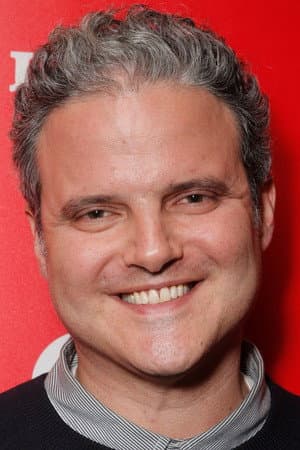
Two of the most respected cinematographers working today, Sam Levy and Jamie Ramsay, had a simple message for the next generation of camera artists during a recent conversation about craft and career: the images you make will outlast you. The pair, speaking to a room of emerging filmmakers, urged young cinematographers to treat their work as a long-term legacy rather than a stepping stone, and to protect the creative instincts that drew them to the job in the first place. "What you guys do lives forever," the two emphasized, framing the cinematographer's role as one of the few jobs in filmmaking where the visual record endures well beyond any single production.
Levy, whose credits include Lady Bird and Frances Ha, and Ramsay, known for his work on Living and The End We Start From, come from different corners of the industry but share a passion for mentorship. Their advice leaned heavily on the value of patience and curiosity over flash. Both men cautioned that chasing trends or imitating the latest viral look can hollow out a young artist's voice, and they encouraged newcomers to study the history of the medium - not just the celebrated masters, but the everyday photography, painting, and architecture that shape how light and composition are understood.
Emphasis on Collaboration Over Technique
A central thread in their remarks was that cinematography is a collaborative discipline, not a solitary art. Levy and Ramsay advised up-and-coming directors of photography to invest as much energy in relationships as in gear. They described the best working partnerships as ones built on trust, where a DP feels comfortable pushing back on a director and where both parties share a common language about story and emotion. Technique, they suggested, can be learned; the ability to listen and translate a director's intent into a visual plan is what separates a technician from a true collaborator.
They also urged young cinematographers to resist the temptation to over-light or over-complicate a scene. In their view, restraint often carries more power than spectacle, and a simple, well-observed frame can communicate more than an elaborate setup. The conversation touched on how early-career DPs frequently feel pressure to prove themselves with showy work, a habit both men gently discouraged.
Practical Counsel for a Changing Industry
The pair acknowledged the practical realities facing newcomers: shrinking budgets, tighter schedules, and the rapid evolution of camera technology. Rather than view these shifts as threats, they encouraged emerging cinematographers to embrace them as opportunities for resourcefulness. Knowing how to do more with less, they argued, is a skill that will serve a DP throughout an entire career, and the constraints of a small production can often force creative solutions that a bigger budget might never demand.
Levy and Ramsay also spoke about the importance of watching one's own work critically - screening it with fresh eyes, asking what could have been clearer or more emotional, and treating every project, no matter how small, as a chance to refine a personal approach. They stressed that building a body of work takes years, and that early missteps are not just forgivable but essential.
The session closed on a note of encouragement. Both cinematographers reminded the audience that the images captured on any given shoot will remain long after the crew has dispersed, and that this permanence is both a privilege and a responsibility. For the young filmmakers in the room, the message landed as a call to slow down, stay curious, and trust that the work itself - not awards or viral clips - is what will define them.
Source: The Hollywood Reporter