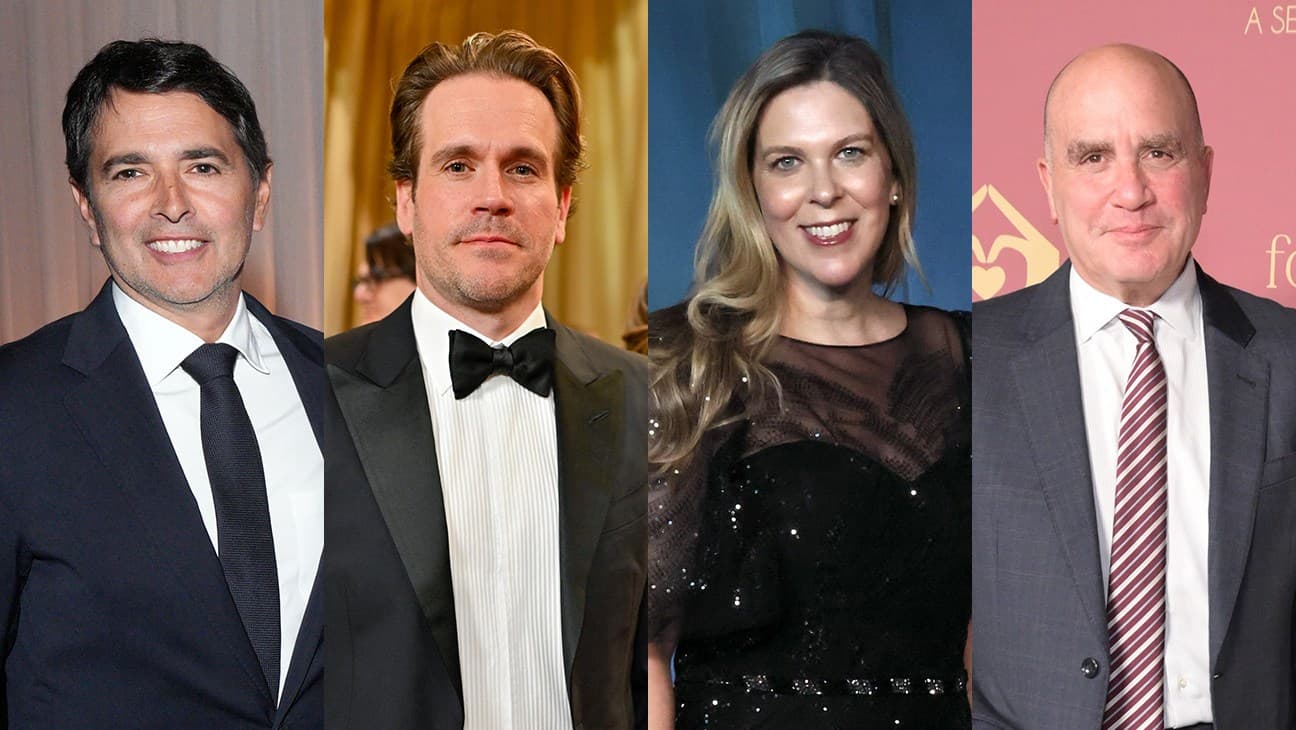
The executive shake-up set in motion by the Skydance - Paramount merger has produced its first significant film-side personnel moves, with Kira Goldberg departing Warner Bros. for Paramount and Jesse Ehrman elevated to lead the film operation at Warner Bros. The reshuffling signals how quickly David Ellison's team intends to put its stamp on Paramount's movie studio while simultaneously reshaping the leadership chart at one of its chief rivals.
Goldberg's move to Paramount closes a lengthy tenure at Warner Bros., where she most recently served as co-president of production. In her new role, she will help steer Paramount's film slate as the studio integrates into the broader Skydance organization. Her arrival comes as Paramount's film leadership has been in flux throughout the merger process, and her hire is widely read in industry circles as an effort to bring proven franchise-management experience into the fold.
Ehrman, meanwhile, ascends to run Warner Bros.' film division after years as a senior production executive at the studio. He inherits a slate that includes some of the company's most valuable ongoing franchises, along with a mandate to keep theatrical output robust at a time when the studio's corporate parent, Warner Bros. Discovery, has been the subject of persistent deal speculation.
The two moves are intertwined in the way Hollywood staffing often is - an opening at one lot creating opportunity at another, with talent flowing between competitors. Goldberg's exit left a hole in Warner Bros.' production ranks, and Ehrman's promotion is at least partly a vote of continuity from studio leadership, keeping institutional knowledge in-house as the film group navigates a transitional period.
A Leadership Reboot at Paramount
For Paramount, the Goldberg hire is the clearest sign yet of the direction the studio's film operation will take under its new ownership. Skydance has signaled since the merger's completion that it intends to lean on seasoned production executives to bolster Paramount's theatrical release strategy, and Goldberg's background in developing and overseeing commercial, franchise-oriented films aligns with that ambition.
Her portfolio at Warner Bros. included oversight of major productions in development and production, giving her a résumé that travels well to a studio looking to rebuild momentum on its release calendar. Insiders describe the move as a recruiting win for Paramount, which had been searching for a senior production executive to anchor its film team after a stretch of organizational uncertainty.
Warner Bros. Bets on Continuity
Ehrman's promotion, by contrast, is a story about institutional stability. A longtime Warner Bros. executive, he has been closely involved in the studio's biggest franchises and is regarded internally as a steady hand who understands how the lot develops, packages, and releases movies at scale.
His new role puts him at the center of decisions about which projects get greenlit and how the studio balances tentpoles with filmmaker-driven fare - a balance that has grown more delicate as the theatrical business continues to find its post-pandemic footing. For Warner Bros. Discovery leadership, keeping Ehrman in a top film post is a way to avoid disruption while the company weighs its own strategic options.
What the Moves Mean for the Talent Landscape
The Goldberg - Ehrman shuffle matters beyond a simple personnel chart. Executives of their caliber shape which filmmakers get meetings, which scripts get bought, and which movies get made. A shift of that kind of decision-making power from one studio to another can ripple through the creative community for months, as agents and producers recalibrate their relationships.
It also reinforces a broader truth about the current moment in Hollywood: corporate consolidation at the top is translating into executive churn in the middle and upper ranks of the studios. The Skydance - Paramount combination has already triggered a wave of restructuring, and the knock-on effect at Warner Bros. shows how connected the two lots remain, even as rivals.
For now, both studios have filled key seats. Paramount gets a production executive with franchise bona fides in Goldberg. Warner Bros. gets a familiar leader in Ehrman, who must now demonstrate he can run a film division rather than just help populate it. In an industry that rewards continuity and fresh blood in roughly equal measure, each studio has made the bet it thinks it needs.
Source: The Hollywood Reporter