Sofia Coppola is ready to get back to telling stories with actors and scripts, but before she does, she has one piece of family business to finish. The filmmaker behind "Marie Antoinette" and "Lost in Translation" is preparing a return to narrative features after a stretch devoted to other projects, yet her next release will not be a new fiction film at all. It is a documentary built around her late mother, and its subject is the very movie that once put Coppola in the middle of a media firestorm.
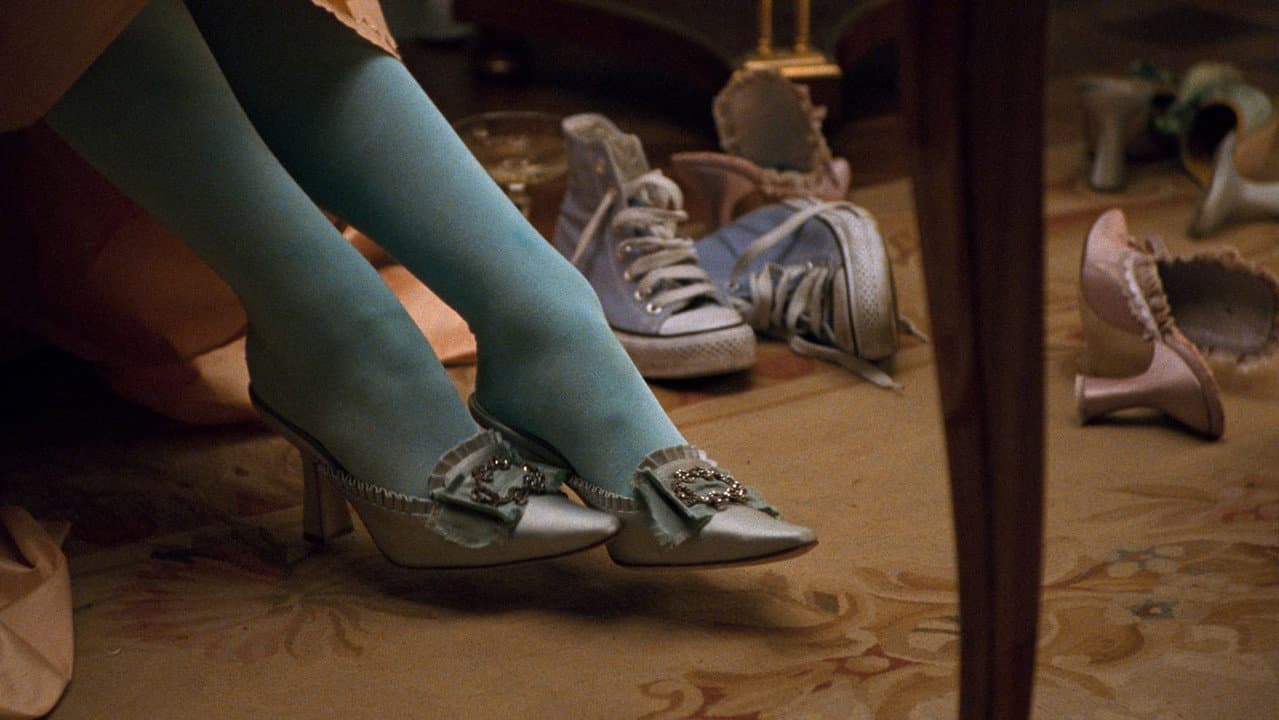
The project, titled "Making Marie Antoinette," centers on the production of her 2006 historical drama. According to the filmmaker, the documentary has been assembled from material shot during that period, and she has described it as an intimate look at what it took to bring the opulent, divisive film to the screen. She has said she wanted to see the movie through her mother's eyes before moving on to whatever comes next.
That original film, "Marie Antoinette," was released on May 24, 2006, through Hollywood channels and runs 123 minutes. It carries a TMDb rating of 6.69 out of 10. Coppola directed from her own screenplay, and the cast was led by Kirsten Dunst as the doomed French queen. Jason Schwartzman played Louis XVI, Steve Coogan appeared as Ambassador Mercy, and Judy Davis took the role of Comtesse de Noailles. Rip Torn portrayed Louis XV, Asia Argento played Comtesse du Barry, Molly Shannon was Aunt Victoire, and Shirley Henderson played Aunt Sophie.
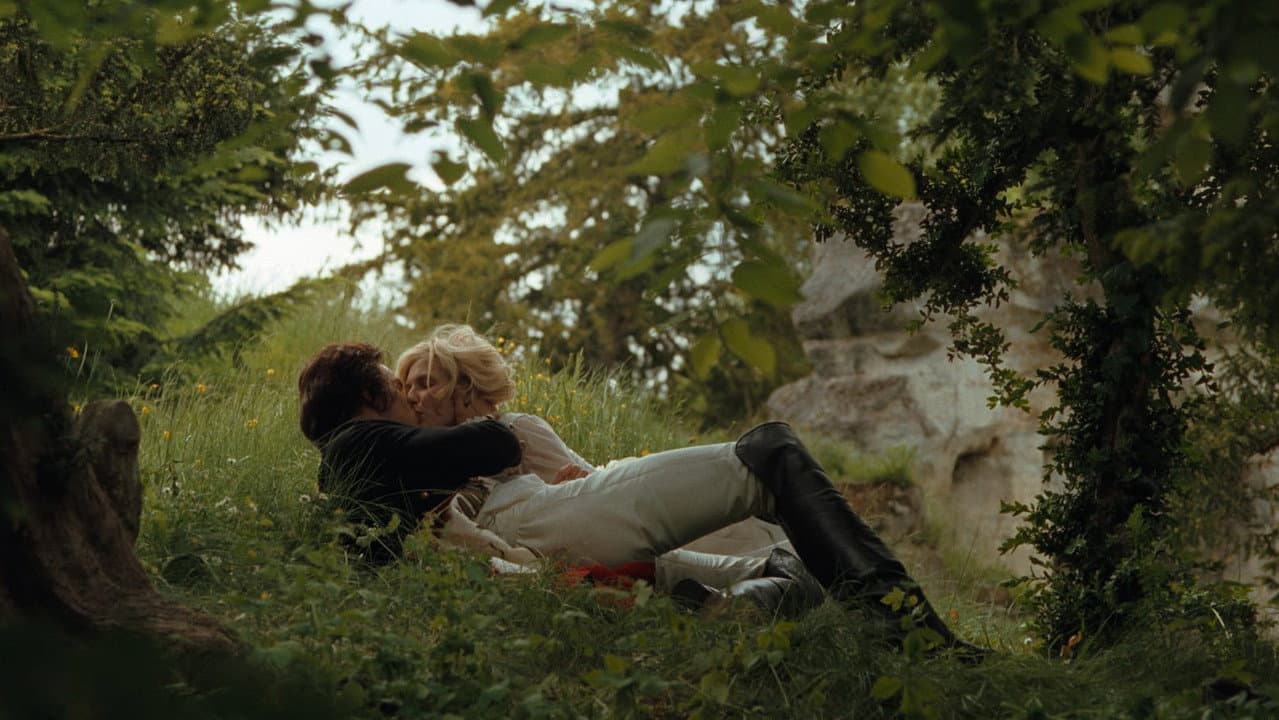
The film retells the story of France's iconic but ill-fated queen, following her from her betrothal and marriage to Louis XVI at fifteen through her reign as queen at nineteen and, ultimately, the fall of Versailles. It was a period piece with a modern pulse, set to a soundtrack of new wave and post-punk, and it divided critics and audiences on release. Some praised its dreamy, sympathetic portrait of a teenager thrust into court life; others found its anachronisms and its sympathy for the aristocracy hard to swallow. Over the years it has been reassessed, and it now stands as one of Coppola's most discussed works.
For Coppola, the film also marked a personal milestone. It was the first project she made after becoming a mother, and it was shot on location in France with a large cast and a famously detailed production design. The experience shaped her approach to filmmaking, and the documentary reportedly draws on behind-the-scenes footage that captures both the scale of the production and the day-to-day reality of directing it.
Coppola has been candid that the documentary is not a conventional making-of. She has described it as a portrait of a specific moment in her life and career, framed by her relationship with her mother, who died in 2024. The filmmaker has said she wanted to honor that relationship and to close a chapter before starting something new. She has not announced what that new narrative feature will be, only that she intends to return to fiction.
The timing is notable. Coppola's last narrative feature, 2023's "Priscilla," was a modestly scaled portrait of Priscilla Presley, and it arrived after a gap of several years. She has spent much of the intervening time on shorter projects, fashion collaborations and, now, this documentary. A return to narrative film would put her back in the kind of production she is best known for: character-driven stories with a strong visual identity, often centered on young women navigating confined worlds.
"Marie Antoinette" remains a touchstone for that sensibility. Its depiction of Versailles as a gilded cage, its attention to clothing, food and music, and its refusal to treat history as a dry lesson all anticipated the style Coppola has continued to refine. The documentary, then, is less a footnote than a bridge. It revisits the film that made her a household name in art-house circles and reconnects her with the person who watched it come together.
What the documentary will reveal about the production is not yet fully known. Coppola has said it includes moments of stress, boredom, exhilaration and doubt, the ordinary texture of a shoot that looked anything but ordinary from the outside. She has also said her mother's perspective gave her a new way to understand the choices she made at the time.
For now, Coppola's plans remain simple on paper: release "Making Marie Antoinette," then return to narrative filmmaking. But the order matters to her. She has made clear that she does not want to begin the next chapter until she has seen the last one off.
Source: The Hollywood Reporter