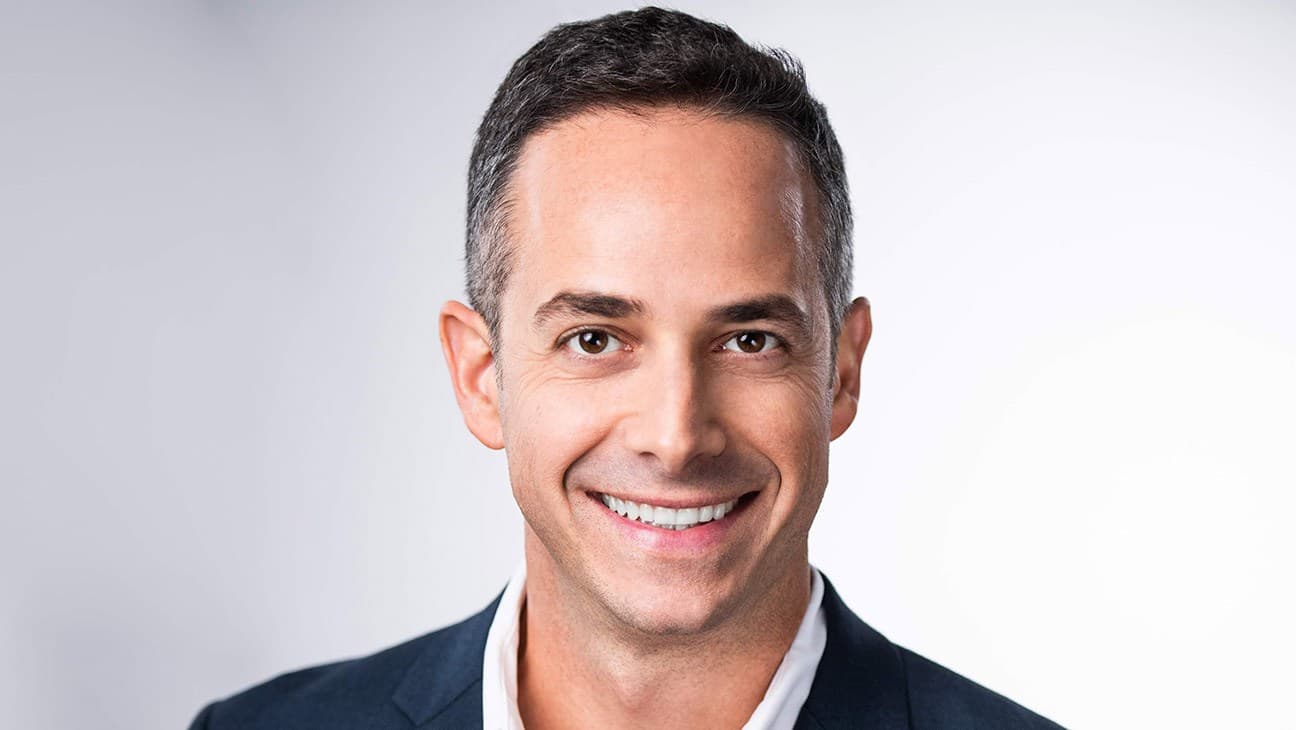
Sony Pictures has handed the keys to its long-running genre label Screen Gems to a digital-native executive, tapping YouTube's Fede Goldenberg to lead the division, according to people familiar with the move. The appointment, expected to be announced internally this week, marks one of the sharpest pivots yet by a legacy Hollywood studio toward the creator economy, and it signals that Sony intends to rebuild Screen Gems around talent that grew up on the internet rather than the multiplex.
Goldenberg comes to Sony from YouTube, where he spent years working closely with creators and helping shape the platform's content strategy. His mandate at Screen Gems is expected to extend well beyond traditional theatrical development. According to insiders, he will be charged with identifying filmmakers, writers, and on-camera talent who have built audiences on YouTube, TikTok, and other platforms, then translating those followings into feature films, streaming projects, and hybrid formats that can live across Sony's various distribution arms.
The move is a striking reversal of the usual traffic pattern. For most of the past decade, studio executives have moved between rival lots, not between Silicon Valley and Culver City. Bringing in a platform-side executive to run a genre label suggests Sony believes the next wave of horror, thriller, and sci-fi hits will be incubated online rather than discovered through the traditional spec-script and pitch pipeline.
Why Screen Gems, and Why Now
Screen Gems has always been Sony's laboratory for lower-cost, high-upside genre fare, the kind of mid-budget movies that can turn a modest investment into a disproportionate return when a concept connects. That business model has come under pressure as theatrical attendance for non-franchise titles has grown less predictable and as streaming buyers have become more selective. A label built to move quickly and cheaply is, in theory, well suited to a creator-driven approach, where a proven online audience can offset some of the marketing risk that usually accompanies an unknown property.
People close to the situation describe the hire as a bet on agility. Goldenberg is said to have pushed inside YouTube for closer ties between digital talent and Hollywood production, and his reputation rests on relationships with creators rather than with the agencies and management companies that traditionally supply studio slates. That profile could give Screen Gems access to projects and talent before they hit the conventional market.
A Studio Betting on the Creator Pipeline
Sony's interest in the creator space is not new. The studio has experimented with digital-first programming and has watched as online personalities with massive followings have occasionally crossed into film and television, sometimes with strong results and sometimes with cautionary ones. What is different here is the scale of the bet: placing a platform executive in charge of an entire label rather than assigning him to a special projects unit or a digital division.
The strategy carries real risk. Online fame does not reliably translate into ticket sales, and creators who thrive in short-form video do not always have the stamina or the skill set for a 95-minute narrative feature. There is also the question of infrastructure. Screen Gems operates within Sony's established development, production, and distribution machinery, and a newcomer from the platform world will have to learn how to navigate that system while simultaneously changing it.
What Comes Next
Goldenberg's first priorities are expected to include assembling a small development team, meeting with the creative community, and identifying a handful of projects that can move quickly. Insiders caution that no slate has been set and that the label's output will likely blend traditional acquisitions with creator-driven originals. Sony declined to comment for this story.
For Hollywood, the larger significance may lie in the precedent. If Screen Gems succeeds under a YouTube executive, other studios will face pressure to look outside the traditional talent pipeline for leadership. If it stumbles, the experiment could reinforce the industry's skepticism about digital-native executives running legacy film operations. Either way, Sony has made a clear statement: it would rather import the creator economy than wait for it to arrive.
Source: The Hollywood Reporter