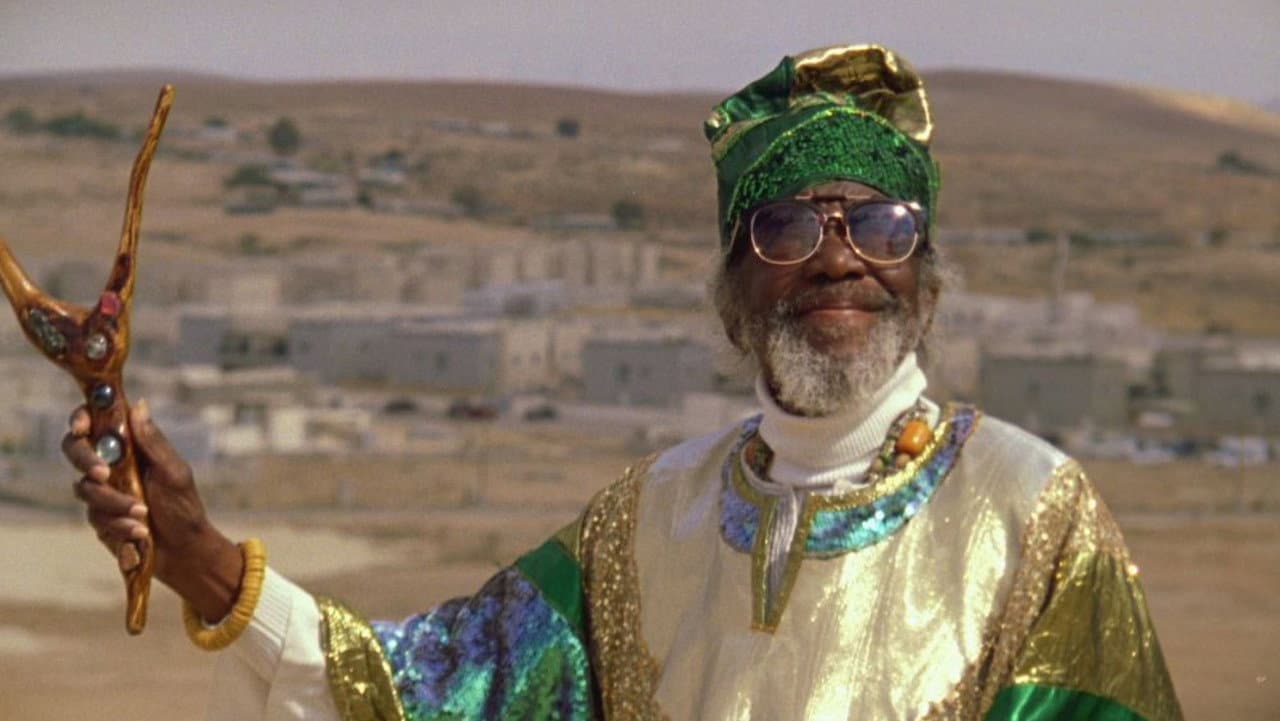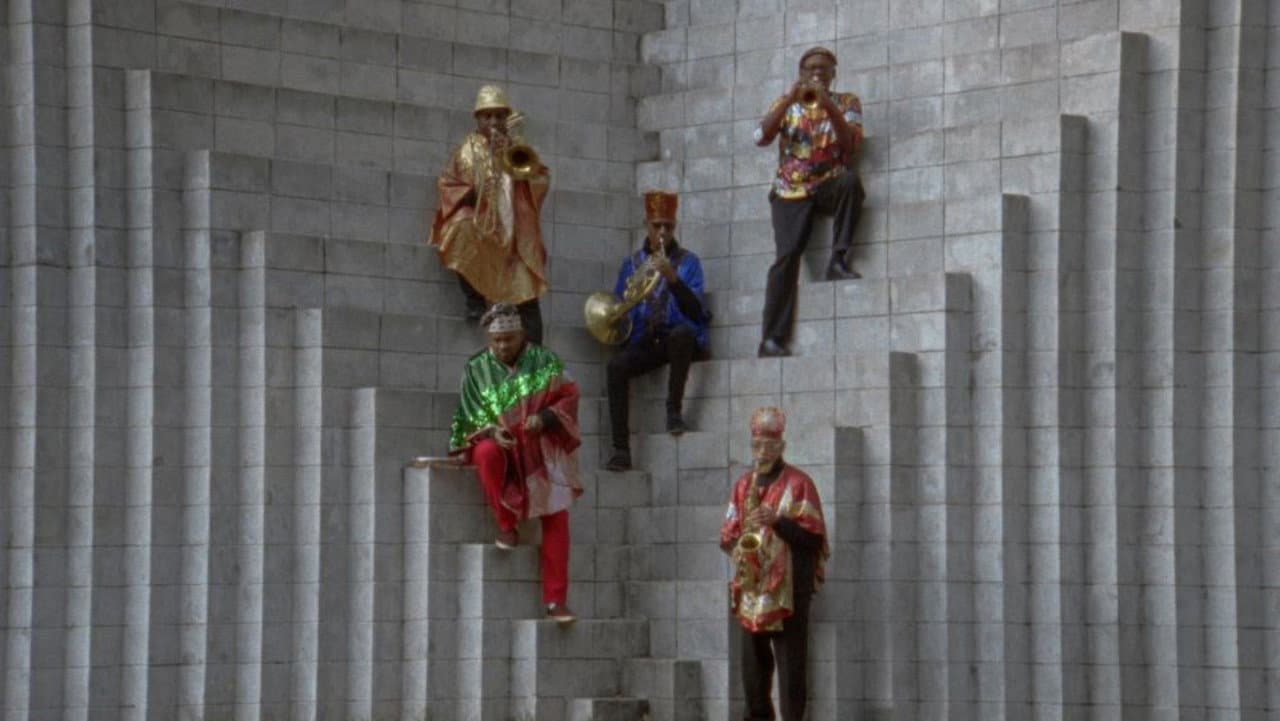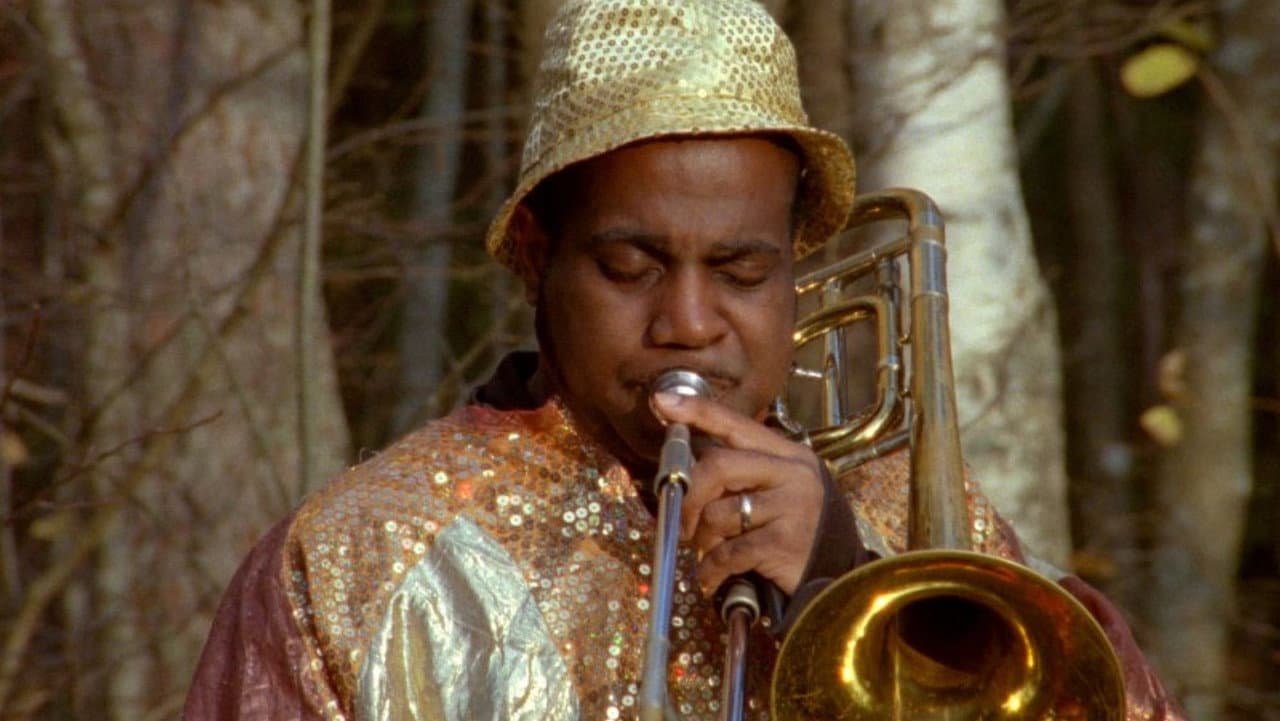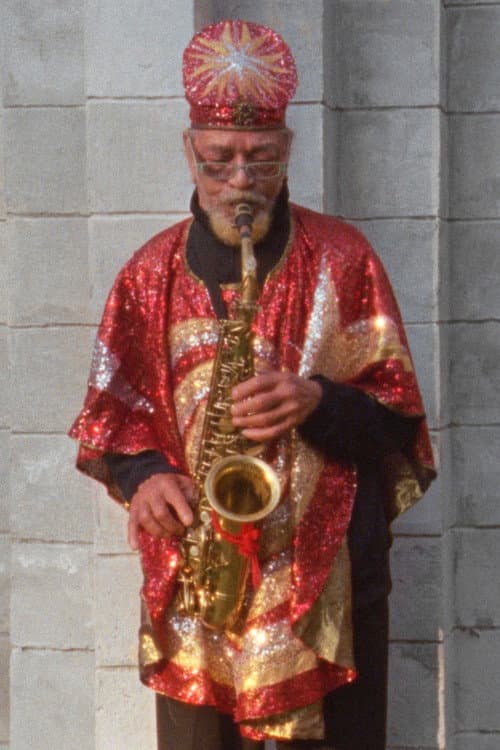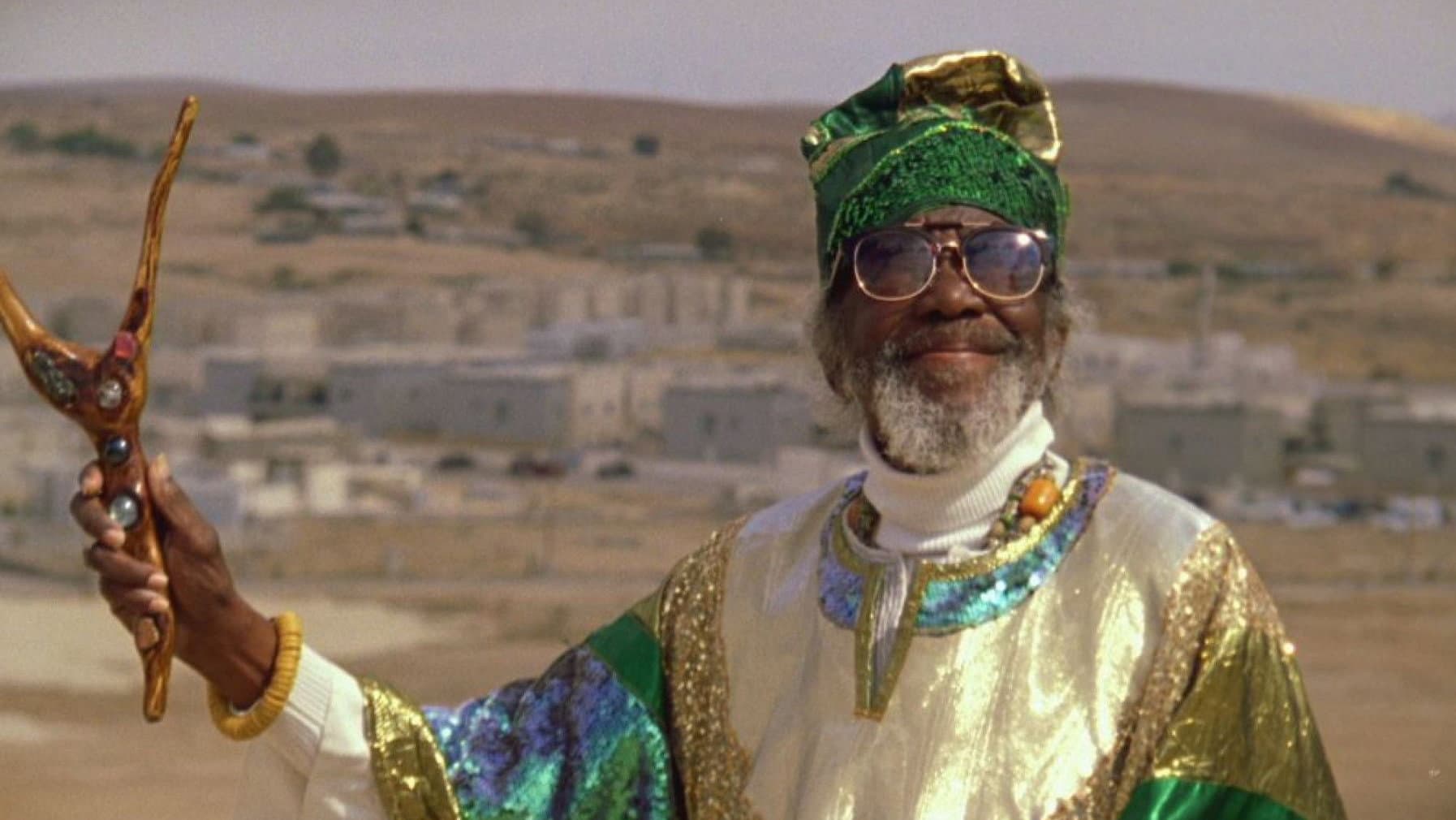
Lithuanian filmmaker Emilija Škarnulytė turns her lens on two keepers of the Sun Ra flame in “Sounds of the Desert,” a 71-minute documentary-music hybrid that charts Marshall Allen and Abshalom Ben Shlomo’s passage through the landscapes where Sun Ra forged his cosmic persona. The film, set for a March 17, 2026 release, blends desert travelogue with the astro-galactic sound world of the Sun Ra Arkestra, using the band members’ journey as a lens on race, injustice and the distractions of contemporary life. USA Film News presents the exclusive Tallinn trailer debut.
The project is billed as a visual odyssey that translates Sun Ra’s concepts through the people who carried them forward. Allen, the Arkestra’s longtime saxophonist and now its centenarian bandleader, and Ben Shlomo, a devoted Arkestra member, are the film’s twin anchors, appearing as themselves. As they move across the desert - a promised land in Sun Ra’s personal mythology, where he once shaped the identity he would carry to stages around the world - the film frames their travels as a search for something more durable than the noise of the present. Music, in Škarnulytė’s telling, becomes a form of inner wisdom, and the desert becomes a place where that wisdom can be heard.
That premise gives “Sounds of the Desert” an unusual texture for a music documentary. Rather than a conventional career retrospective or concert film, it positions the Arkestra’s sonic universe as a kind of navigation system - an “astro-galactic” framework through which the musicians encounter and interpret the world. The promised-land imagery is central: Sun Ra’s biography is inseparable from the idea of elsewhere, of a home beyond the one assigned to him, and the film uses the desert to make that abstraction physical. The result, according to its makers, is a story about finding reasons to resist racism, injustice and vanity through sound - and about locating a measure of peace in a troubled world.
The film’s utopian register is explicit. It describes a planet where Sun Ra and his prophets celebrate the spiritual wealth they carry within them, a vision of abundance that has little to do with material gain. For viewers unfamiliar with the Arkestra’s theology of sound, that framing may read as esoteric, but it is faithful to a group whose performances have long functioned as ritual as much as entertainment. Škarnulytė, whose work often moves between documentary and speculative fiction, appears well suited to the material: her film treats the Arkestra not as a nostalgia act but as a living philosophical project.
At 71 minutes, “Sounds of the Desert” is compact, closer in length to an essay film than a sweeping biography. That brevity may sharpen its focus on the two central figures and the desert journey rather than on exhaustive archival coverage. Details of the production remain limited, and the film has yet to accumulate audience ratings - its TMDb score currently stands at 0/10, reflecting a title that has not yet reached wide viewers rather than any verdict on its quality.
The timing of the release places the documentary in a particular light. Allen has become one of the most enduring links to the Sun Ra legacy, and any film centered on him arrives with a sense of urgency - an opportunity to document a living tradition while its oldest witnesses are still present. Pairing him with Ben Shlomo gives the narrative a generational dimension, suggesting a transmission of ideas rather than a solo portrait. The two men are credited simply as themselves, a choice that reinforces the film’s documentary footing even as its cosmic imagery pushes toward the poetic.
Genres listed for the film are documentary and music, and its original language is Lithuanian - a detail worth noting for audiences who might assume an American production given the subject matter. The project carries a Hollywood industry designation. Škarnulytė directs; no additional cast beyond Allen and Ben Shlomo is listed in the verified materials.
The exclusive Tallinn trailer offers the first sustained look at how the director balances the Arkestra’s dense, often overwhelming sound with the silence and scale of the desert. If the preview is any indication, “Sounds of the Desert” will ask viewers to sit with ambiguity: a promised land that is also a hard, empty place; a music rooted in collective ecstasy that here becomes a tool for individual reflection; a utopian vision advanced by men who have spent decades navigating a decidedly non-utopian world.
For USA Film News readers, the film represents a crossover curiosity - part art-house experiment, part essential document of African American musical innovation. Whether it finds a broad audience beyond festival and repertory circles will depend on how warmly viewers respond to its hybrid form. What seems clear is that “Sounds of the Desert” is not aiming for the conventional music-doc playbook. It wants to be experienced as the Arkestra’s music is: as a journey with no fixed destination, undertaken in the hope of hearing something true.
Source: The Hollywood Reporter