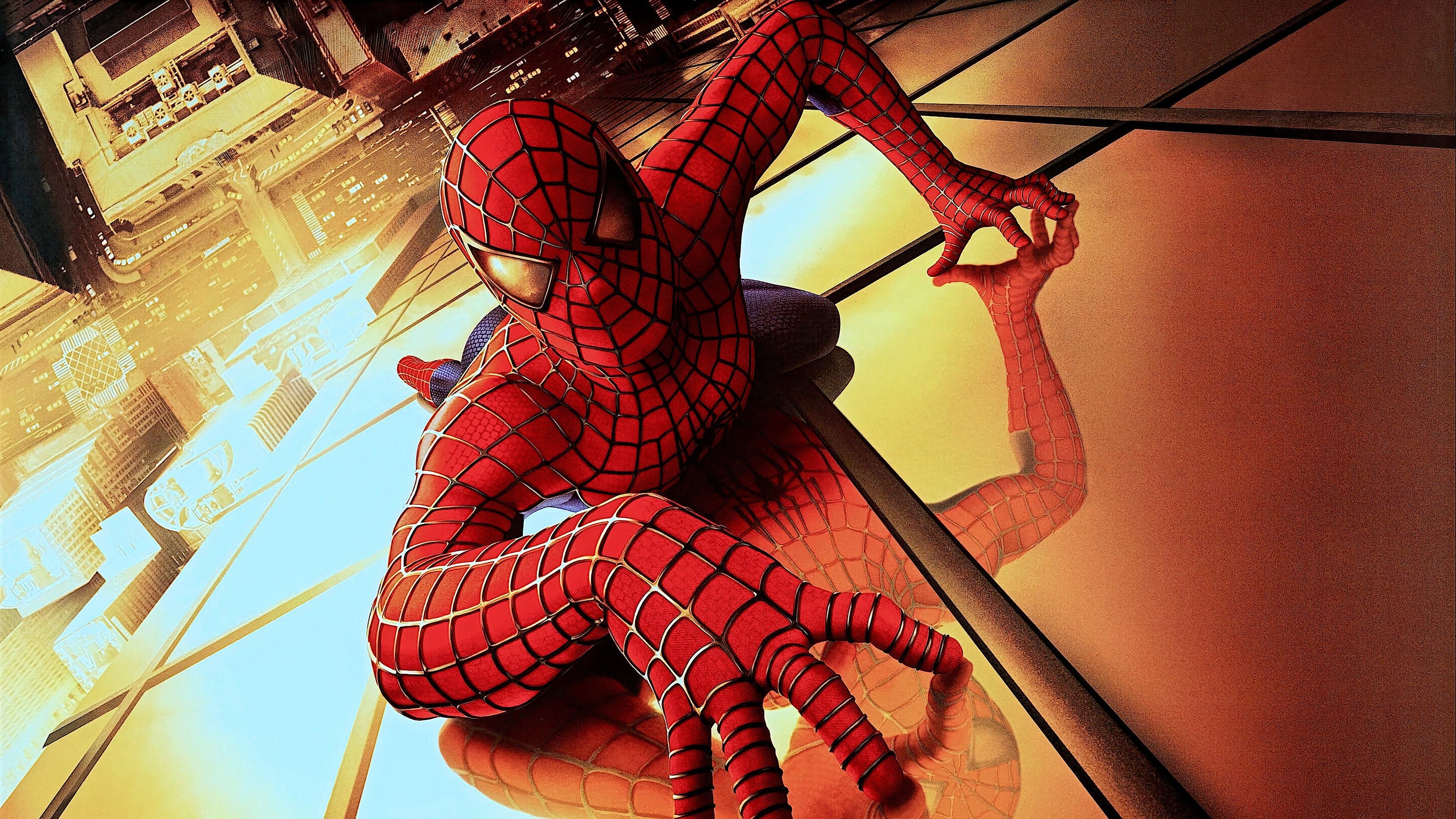
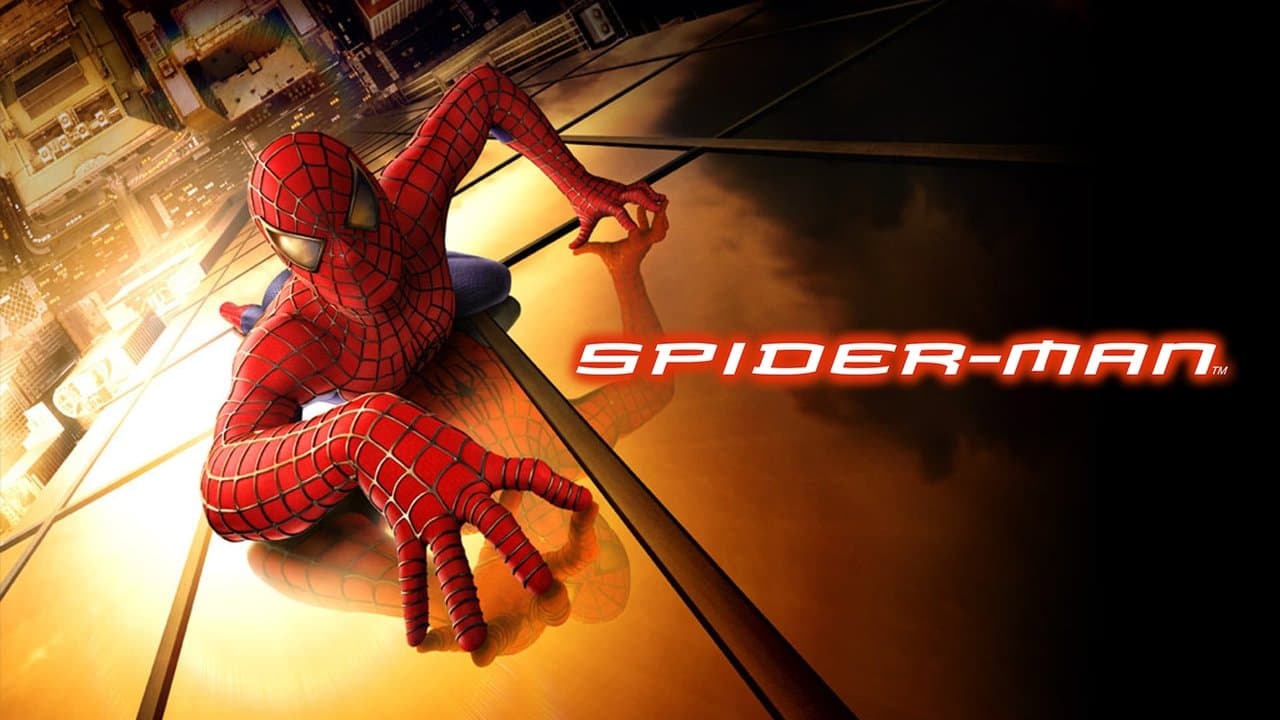
Spider-Man: Last Blockbuster Franchise Hollywood Hasn't Ru
Director
Sam Raimi
Language
EN
Release
2002-05-01
Runtime
121 min
Advertisement
Is Spider-Man the only blockbuster franchise Hollywood hasn't screwed up? A deep dive into why the web-slinger remains untouchable.
July 30, 2026 - USA Film News
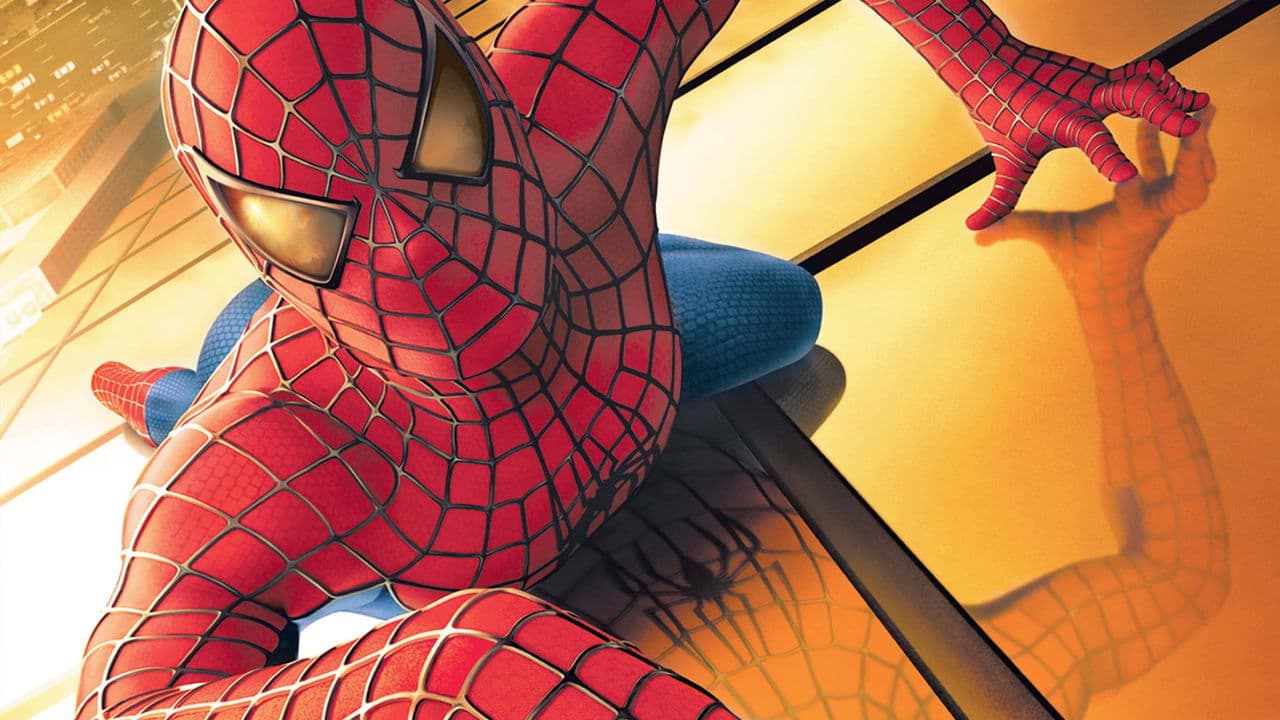
Twenty-four years after its debut, Sam Raimi’s “Spider-Man” still stands as a curious anomaly in Hollywood’s blockbuster landscape. While studios have repeatedly rebooted, sequelized, and franchise-fatigued audiences into boredom, this 2002 origin story remains a touchstone - a reminder that big-budget spectacle and genuine character work can coexist. With a TMDb rating of 7.339/10 and a runtime of 121 minutes, the film has aged well enough that critics and fans alike still cite it as the benchmark for superhero cinema that Hollywood hasn’t managed to mess up.
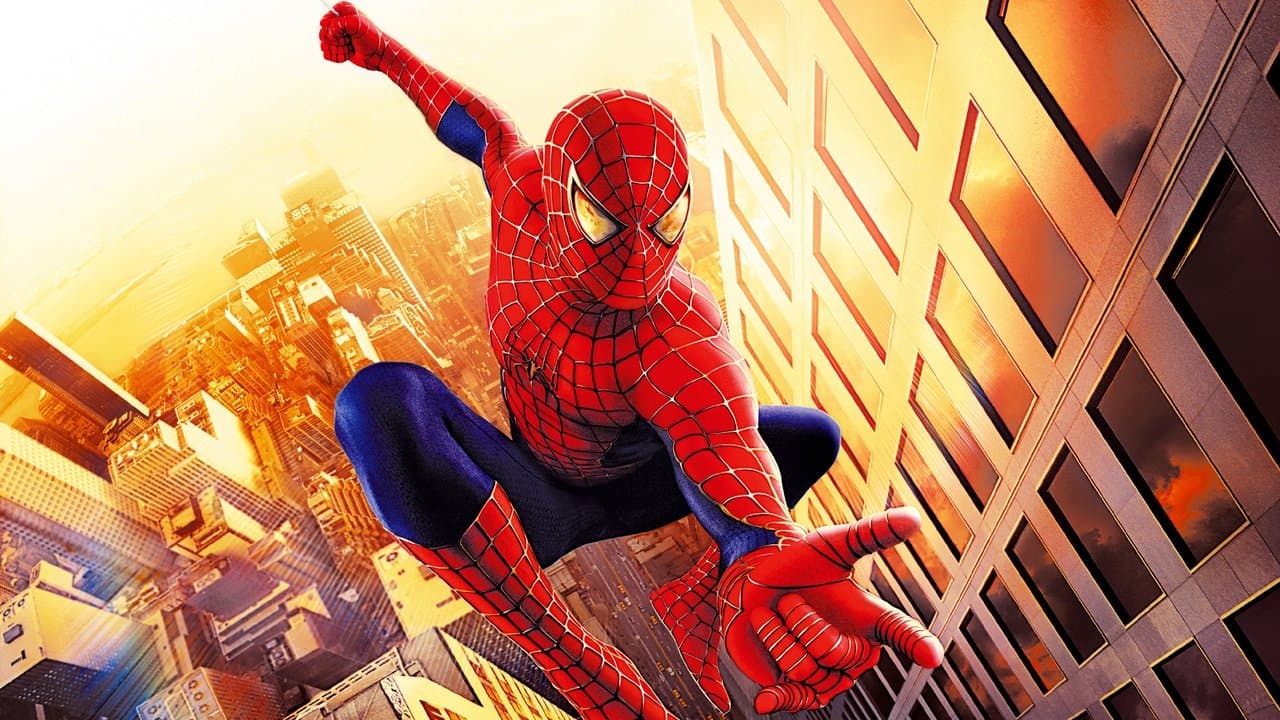
The story, for anyone who missed the cultural phenomenon, follows Peter Parker (Tobey Maguire), a high-school outcast whose life changes after a genetically altered spider bites him during a field trip at Oscorp. Endowed with superhuman strength, agility, and a precognitive “spider-sense,” Peter learns that “with great power comes great responsibility” - a lesson hammered home after his beloved Uncle Ben (Cliff Robertson) dies at the hands of a criminal Peter failed to stop. What follows is a classic struggle between the awkward teen trying to win the heart of Mary Jane Watson (Kirsten Dunst) and the Green Goblin (Willem Dafoe), the deranged alter ego of industrialist Norman Osborn. J.K. Simmons steals every scene as J. Jonah Jameson, the blustering editor of the Daily Bugle, while James Franco rounds out the cast as Peter’s conflicted best friend Harry Osborn.
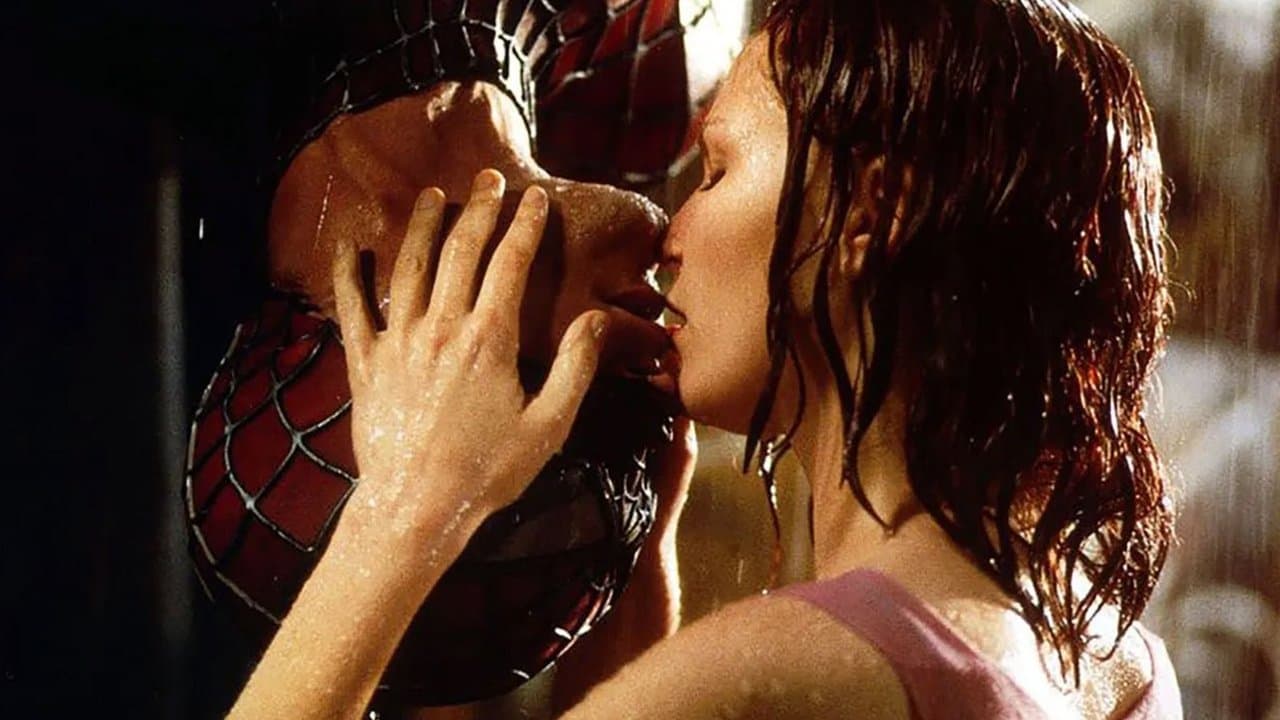
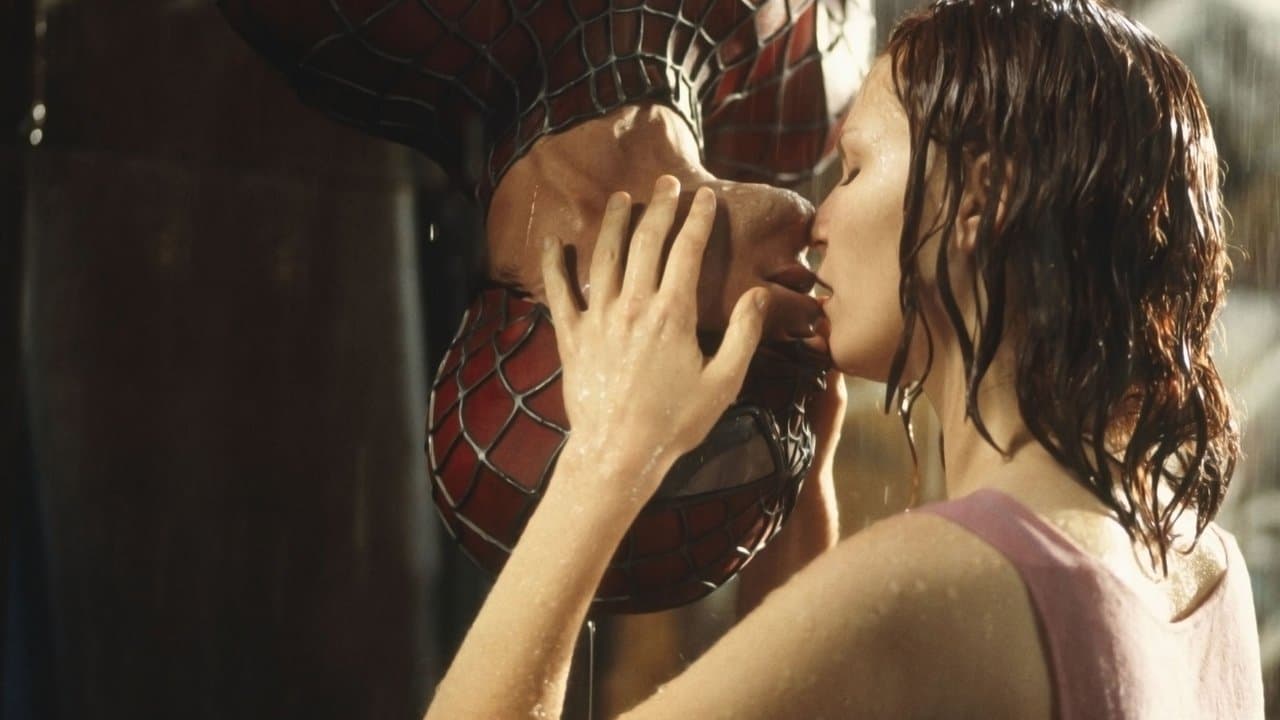
What makes this film feel like the last great blockbuster franchise that studio interference hasn’t mangled? For one, it’s the rare superhero movie that takes its time. Raimi doesn’t rush Peter’s transformation; we watch him figure out his powers in painfully funny montages - web fluid experiments, failed stunts, and the iconic upside-down kiss in the rain. The action is inventive but grounded by character stakes. Willem Dafoe’s Green Goblin is a legitimate threat, not a CGI afterthought; his terror comes from Norman’s split personality and Dafoe’s unhinged performance, not from bombastic explosions.
The film’s legacy is also tied to its restraint. In an era where every superhero property is a multi-part event with looming crossovers, “Spider-Man” is refreshingly simple: boy gets powers, boy learns lesson, boy fights villain. There’s no universe-building baggage, no post-credits teaser for a sequel that hasn’t been written yet. It’s a complete story, self-contained and emotionally resonant. That’s become a rare commodity. Audiences today are conditioned to expect cliffhangers and extended universes, but “Spider-Man” reminds us that a franchise can earn its longevity by earning its ending.
The film’s release date - May 1, 2002 - also captures a sweet spot in pop culture history. It debuted before the superhero genre became a monoculture, before Marvel Studios’ machine-like precision turned every release into a product launch. Raimi, a horror director with a love for comic-book melodrama, brought a handcrafted quality to the visuals. The Goblin’s costume is practical, the web-slinging is practical, and the film’s tone balances earnest romance with slapstick comedy. It’s the kind of studio movie that feels personal - a contradiction in terms these days.
And yet, the film isn’t perfect. Some of the CGI looks dated, particularly in the final skyscraper battle. The pacing can drag in the middle. But that’s part of its charm. “Spider-Man” wears its flaws openly, like a teenager learning to walk in lycra. Modern blockbusters, with their endless reshoots and algorithmic editing, often sand away that rough edge. Raimi’s film embraces it.
The cast remains a large part of why the franchise hasn’t been spoiled. Maguire’s awkward sincerity - his wide-eyed vulnerability - grounds the film in an authenticity that later iterations sometimes miss. Kirsten Dunst’s Mary Jane is more than a damsel; she’s a character with her own ambitions and disappointments. And Willem Dafoe - well, Dafoe’s performance is so committed that even today, his “You know, I’m something of a scientist myself” has become internet canon.
Hollywood has tried to copy that magic. The Andrew Garfield and Tom Holland films each had their strengths, but none captured the specific alchemy of Raimi’s original. The studio system has become obsessed with “franchise-proofing” - adding multiple villains, universe teases, and cameos. The result is often bloated and impersonal. “Spider-Man” succeeds because it never pretended to be anything other than a story about a kid who learns heroism through loss.
In a landscape where legacy sequels, multiversal crossovers, and corporate nostalgia dominate the box office, the 2002 “Spider-Man” stands as a quiet rebuke. It didn’t need to be the start of a 20-film saga. It just needed to be great. And for 121 minutes, it was. Maybe that’s the secret Hollywood keeps forgetting: sometimes the best way to keep a franchise alive is to treat it like a real movie first, and a blockbuster second.
Source: The Hollywood Reporter
Advertisement
Gallery
Advertisement