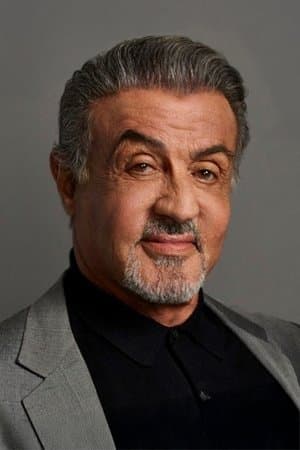
Sylvester Stallone is opening up about the physical toll of a career built on punishing, self-performed action - and he is not mincing words about the wisdom of it. In a candid new reflection, the action icon says he carries "millions of regrets" about insisting on performing his own stunts, calling himself "an idiot" for taking those risks across decades of filmmaking.
"I'm an idiot for doing that," Stallone said, framing the confession with the wry self-awareness that has long been part of his public persona. The line lands less as a punchline than as a veteran's honest accounting: the injuries, the surgeries, the mornings that hurt before the day has even begun.
The admission is striking precisely because Stallone's willingness to absorb punishment on camera helped define his stardom. From the boxing-ring grit of the Rocky series to the paramilitary survivalism of the Rambo films, his screen persona was inseparable from the idea that he was actually taking the hits. That authenticity became a selling point, a marketing hook and, eventually, a physical bill that came due.
A Career Built on Real Impact
Stallone's filmography reads like a catalogue of cinematic damage. The Rocky franchise alone subjected him to staged combat that, however choreographed, still meant repeated blows to the head and body. He has spoken over the years about the cumulative cost of those sequences - neck problems, back trouble and a litany of orthopedic issues that would follow any professional athlete, let alone an actor who kept returning to the ring for new rounds.
Then came Rambo, where the demands shifted from ring craft to wilderness endurance and explosive set pieces. And later, The Expendables assembled a roster of action legends whose collective reputation rested on doing the heavy lifting themselves. Stallone, as the driving force behind that series, was never going to stand on the sidelines while everyone else took the falls.
The result is a body that has been through the wringer in service of entertainment. His "millions of regrets" phrasing is hyperbole in service of a real point: there is a difference between commitment to craft and unnecessary risk, and he now sees where he landed on that spectrum.
The Broader Reckoning in Action Cinema
Stallone's remarks arrive amid a wider reevaluation of how action films are made and who pays the price. For years, performing your own stunts was treated as a badge of honor - a way for stars to prove they were the real deal rather than a manufactured product. Tom Cruise's continued willingness to hang off aircraft and leap between buildings has kept that tradition alive and profitable.
But the industry's calculus has shifted. Insurance costs, safety protocols and the rise of highly skilled stunt professionals have made the case that audiences do not need to see the star actually break a rib to believe the character is in danger. Visual effects, precise editing and dedicated stunt performers can deliver the same visceral thrill without exposing a lead actor to career-ending - or life-ending - harm.
In that context, Stallone's regret reads as a cautionary note from someone who helped write the old rules. He is not renouncing the work; he is naming the cost. There is a difference between a young actor eager to prove himself and a veteran who has spent decades learning what the body can and cannot absorb.
What the Regret Says About Legacy
The irony is that the very recklessness Stallone now questions is a large part of why he became a star. Audiences responded to the sense that the man on screen was genuinely enduring what the character endured. That perceived authenticity gave the Rocky and Rambo films a texture that polished, doubled action could not replicate.
So the regret is complicated. It is not a disavowal of his career or a rejection of the ethos that built it. It is the honest admission of someone who has paid a price in joints and sleep and daily comfort for a choice he would not necessarily make again.
For fans, the takeaway may be less about hindsight than about respect. Stallone put his body on the line repeatedly, and the movies that resulted became touchstones. That he can now look back and call himself an idiot for it does not diminish the achievement - it just makes the man behind it more human.
At a moment when the action genre is debating how far is too far, Stallone's words carry weight that no safety memo could. He is not the first star to admit the toll, and he will not be the last. But few have said it with such blunt, unsentimental clarity.
Source: Variety