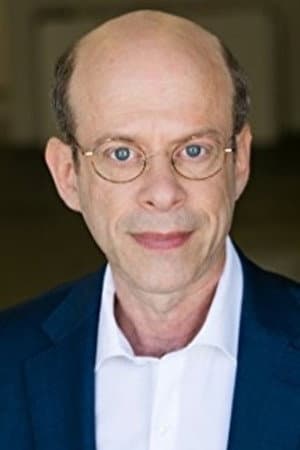
Steven Hack, a character actor whose career stretched from the original Broadway production of "Cats" to a recurring presence on "American Horror Story," has died. He was 68.
News of Hack's death was confirmed through reports circulating on Tuesday, though additional details about the circumstances were not immediately available. Representatives for the actor did not respond to requests for comment.
Hack's passing closes a chapter on a career that bridged two very different eras of American entertainment: the blockbuster Broadway musicals of the 1980s and the boundary-pushing cable television of the 2010s. He was never a household name, but his face and voice were familiar to millions of theatergoers and television viewers alike.
A Founding Member of a Broadway Phenomenon
Hack was among the performers in the original cast of "Cats," Andrew Lloyd Webber's musical adaptation of T.S. Eliot's poetry collection "Old Possum's Book of Practical Cats." The show opened on Broadway in 1982 at the Winter Garden Theatre and went on to become one of the longest-running productions in Broadway history, a cultural touchstone that introduced a generation to the idea of the mega-musical.
For Hack, the production was a formative credit, placing him in the company of a show that would define an era of New York theater. Cast members of that original production became a kind of extended family, and their ranks included performers who went on to long careers in film, television and stage.
In an interview later in his career, Hack described "Cats" as an experience that shaped how he approached performance. "You learned to be present every single night," he said. "The audience was different every time, and the show demanded that you give them something different too." The remark captured the workmanlike dedication that colleagues said defined his approach.
A Second Act on Television
Decades after "Cats," Hack found a new audience through "American Horror Story," Ryan Murphy's anthology series that debuted on FX in 2011. The show became known for its revolving ensemble of actors who returned season after season in new roles, and Hack was part of that repertory company, appearing in multiple installments of the series.
His work on the show came at a moment when Murphy's productions were reshaping the landscape of cable drama, blending horror, camp and social commentary in ways that drew both acclaim and controversy. Hack's presence in that world gave him a second career and introduced him to viewers who had never set foot in a Broadway theater.
Fellow actors who worked with Hack on the series remembered him as a steadying presence on set. One colleague described him as "the kind of actor who made everyone around him better without ever saying a word about it," praising his preparation and generosity with younger cast members. Another recalled his habit of arriving early and staying late, treating even small roles with the seriousness of a lead.
A Career of Small Roles, Deep Impressions
Hack's career was built largely on character work, which he approached with the same discipline he brought to the stage. He understood that a supporting part could carry a scene and that audiences remembered the texture of a performance long after they forgot its size.
He also worked steadily in regional theater and in television guest spots, maintaining a career that spanned more than four decades. For Hack, the work itself was the reward. "I never needed to be the star," he once said. "I needed to be good." That philosophy endeared him to directors and fellow actors, who cast him repeatedly.
His legacy lives on in the original cast recording of "Cats" and in the many episodes of television that carry his name in the credits. For fans of both Broadway and horror television, he remains a familiar thread connecting two very different cultural moments.
Hack is survived by family and a community of collaborators who worked with him across stage and screen. Memorial plans were not immediately announced.
Source: Variety