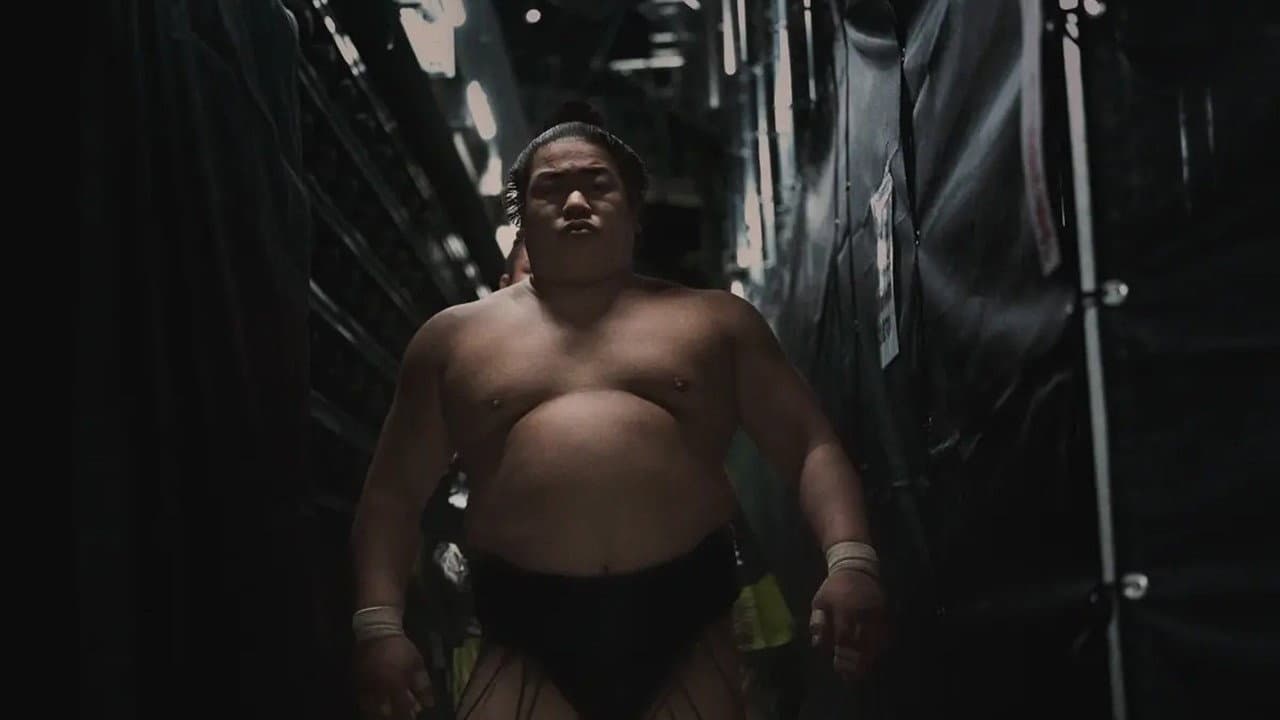
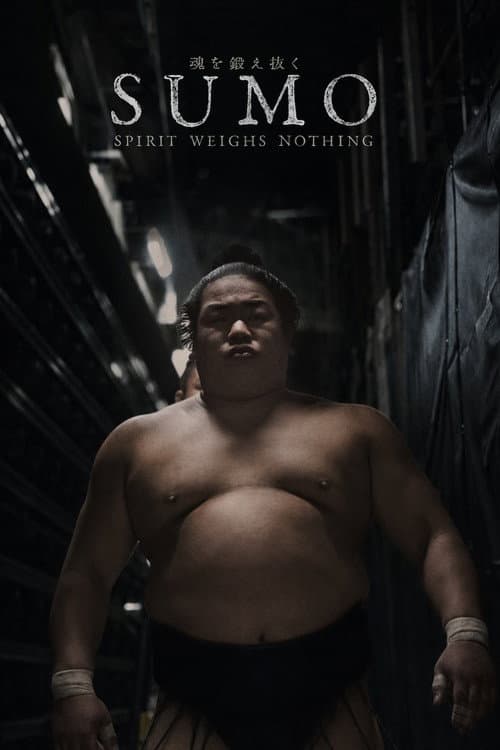
Erik Shirai's new documentary "Sumo: Spirit Weighs Nothing" opens a door that Japan's oldest sporting institution has kept bolted for generations. The 99-minute film, released September 3, 2026, follows a turbulent year inside the sumo world, tracking wrestlers at opposite ends of their careers as they submit to a training regimen that demands as much spiritual endurance as physical punishment.
Shirai, who previously turned his lens on the rituals of Japanese craft and cuisine, spent that year embedded with his subjects. The result is a portrait that treats sumo not as spectacle but as a way of life, one in which the men who compete are, by the director's framing, ordinary people caught inside an extraordinary and unforgiving tradition.
The film's cast is drawn from the sport's real ranks. Terunofuji Haruo, the yokozuna whose comeback from chronic injury and illness became one of sumo's defining modern stories, appears as himself. He is joined by Hiradoumi Yūki, Yonezawaryu Daiki, and Kosei Motomura, each at a different point in the climb - some near the summit, others fighting simply to stay on the mountain.
A Sport Built on What the Camera Usually Misses
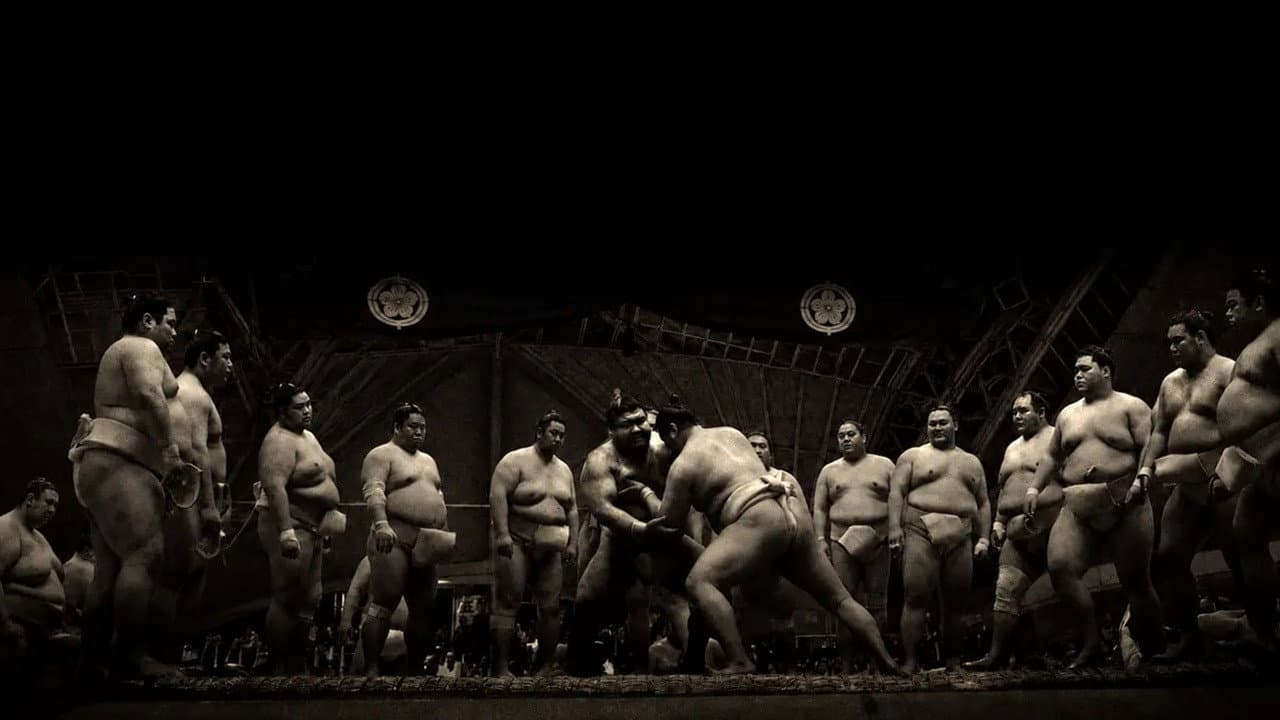
Sumo's public face is the bout itself: two massive bodies colliding, often decided in seconds. "Spirit Weighs Nothing" is far more interested in everything surrounding that moment. The film documents the morning routines, the hierarchical stables where younger wrestlers serve their seniors, and the accumulated sacrifices that make a career possible at all.
That the wrestlers emerge as relatable is, according to the film's own premise, the point. The documentary positions its subjects as "normal dudes" - men with the same doubts and limits as anyone else - who have chosen to refine their spirit within one of Japan's most punishing institutions. The title makes the thesis explicit: true strength, in this world, is not measured in flesh.
Shirai's access is the film's central asset. Sumo stables are famously closed to outsiders, and the sport's governing culture has long resisted the kind of behind-the-scenes treatment common in other athletic documentaries. Gaining a year of inside access, and sustaining it through a period the film describes as one of sacrifice and survival, distinguishes the project from the highlight-reel coverage sumo typically receives abroad.
Career Stakes at Every Rung
By following wrestlers at different career stages, the documentary builds its drama around a structure sumo fans know well but outsiders rarely see. Promotion and demotion in sumo are brutally direct: performance in a handful of tournaments determines rank, income, and standing within a stable. A losing record can send a wrestler tumbling down the divisions; a serious injury can end a career outright.
Terunofuji's presence anchors that theme. His path through injury and return to the sport's highest rank is among the most documented sagas in recent sumo history, and his participation gives the film a figure whose resilience needs no embellishment. The other three cast members supply the counterweight - wrestlers for whom the daily grind, not the championship stage, is the whole story.
That mix allows Shirai to avoid a single triumphant arc. Instead, the film's year is one of turbulence, with the outcomes left to the sport itself.
A Japanese-Language Story in a Global Entertainment Landscape
"Sumo: Spirit Weighs Nothing" arrives in Japanese with a Hollywood industry attachment, a combination that reflects growing international appetite for Japanese documentary subjects treated with patience rather than exoticism. Its runtime of 99 minutes places it in conventional feature-documentary territory, long enough to sit with its subjects but tight enough to avoid the episodic sprawl that often weakens year-in-the-life projects.
Early audience metrics offer little signal. The film carries a TMDb rating of 0 out of 10, indicating that too few viewers have logged votes to produce a meaningful score - common for documentaries in their first weeks, particularly ones focused on a sport with a dedicated but geographically concentrated fanbase.
For USA Film News readers, the film's appeal rests on something simpler than sumo knowledge: the chance to watch people submit to a discipline that will almost certainly outlast them. "Spirit Weighs Nothing" argues that the wrestlers' real contest is not with each other but with the daily demand to keep going - a struggle the documentary treats as neither exotic nor heroic, just human.
"Sumo: Spirit Weighs Nothing" is now in release.
Source: The Hollywood Reporter