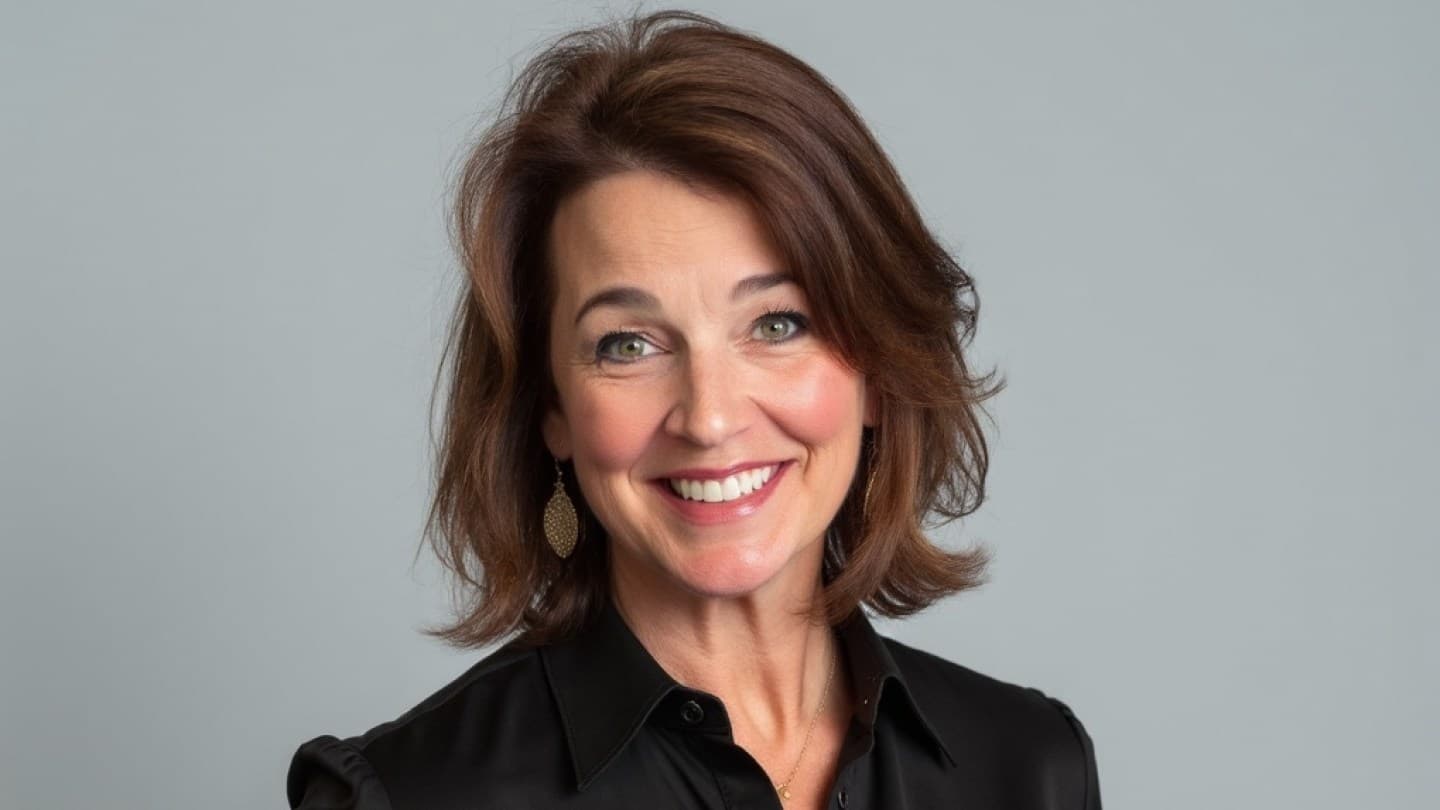
The Sundance Institute has named Tracy Brady as its new chief marketing, brand and communications officer, handing the veteran entertainment executive a central role in shaping how the nonprofit presents itself to filmmakers, audiences and supporters. The appointment places Brady at the helm of the institute's marketing, branding and communications operations, a portfolio that touches nearly every public-facing aspect of the organization behind the Sundance Film Festival.
Brady arrives with deep experience across entertainment marketing and brand strategy. A longtime studio marketing executive, she spent more than two decades at Walt Disney Studios, where she rose to lead franchise marketing for some of the company's most valuable properties. Her background spans theatrical campaigns, consumer brands and global promotional strategy, giving her a skill set that aligns closely with the institute's dual identity as a cultural institution and the steward of one of the world's most closely watched film festivals.
In her new position, Brady will oversee the institute's marketing, brand and communications teams, working to unify messaging across the festival, its year-round artist programs and its fundraising and public outreach efforts. She will report to the institute's executive leadership and will be based at its offices in Los Angeles and Park City, splitting time between the two as the organization prepares for its annual festival cycle.
The hire comes as the institute continues to navigate a fast-changing media and film landscape. Festivals across the industry have faced pressure to redefine their value in an era of streaming, shifting theatrical habits and heightened competition for audience attention. For Sundance, that has meant a steady push to extend its brand beyond the eleven-day festival in January and into a year-round presence supporting independent artists at every stage of their careers. Brady's mandate will include making that broader mission legible to the public, donors and industry partners alike.
The chief marketing, brand and communications role represents a consolidation of responsibilities that had previously been distributed among separate teams. Institute leadership has signaled that bringing marketing, brand identity and communications under a single executive is intended to produce a more coherent voice for the organization and a more strategic approach to its public profile. Brady's reputation for executing large-scale, franchise-driven campaigns at Disney is likely to inform how the institute positions itself in the marketplace for attention and philanthropic support.
Her studio background also carries an insider's understanding of the filmmaker pipeline. During her tenure at Disney, Brady worked on campaigns for major releases that often depended on the kind of cultural conversation independent film excels at sparking. That perspective could prove useful as the institute looks to strengthen the ties between its artist development programs and the mainstream industry, while preserving the independence that defines its identity.
Sundance has long occupied a singular place in American film culture, serving as a launchpad for emerging directors and a showcase for new work from established voices. Its brand is built on discovery and on a certain scrappy, artist-first ethos, qualities that must be communicated to audiences who increasingly encounter films through fragmented digital channels. Brady's challenge will be to modernize that messaging without diluting what makes Sundance distinctive in the first place.
The appointment is also a statement about the institute's priorities heading into a period of strategic planning. By recruiting an executive with a high-profile studio pedigree, the organization is signaling that it intends to compete for visibility and resources at the highest level, even as it remains committed to its nonprofit mission. Marketing and communications have become increasingly central to the financial health of cultural institutions, and the institute appears to be investing accordingly.
Brady joins at a moment when the broader festival ecosystem is recalibrating. Organizers are rethinking sponsor relationships, ticketing strategies and digital engagement, all while trying to maintain the in-person magic that draws filmmakers and buyers to Park City each winter. Her experience in consumer-facing brand management is expected to inform those decisions, particularly as the institute looks to deepen relationships with audiences beyond the festival's traditional footprint.
Colleagues and industry observers will now watch closely to see how Brady translates a studio-honed sensibility into the language of independent film. The institute's constituents - filmmakers, donors, volunteers, festivalgoers - are diverse in their expectations, and speaking to each of them credibly is no small task. Still, the appointment suggests leadership believes that strong, clear branding can serve as a bridge among those audiences rather than a distraction from the art at the center of the mission.
Brady's first months are likely to focus on listening and assessment, with major public initiatives expected to follow as the institute charts its next chapter.
Source: The Hollywood Reporter