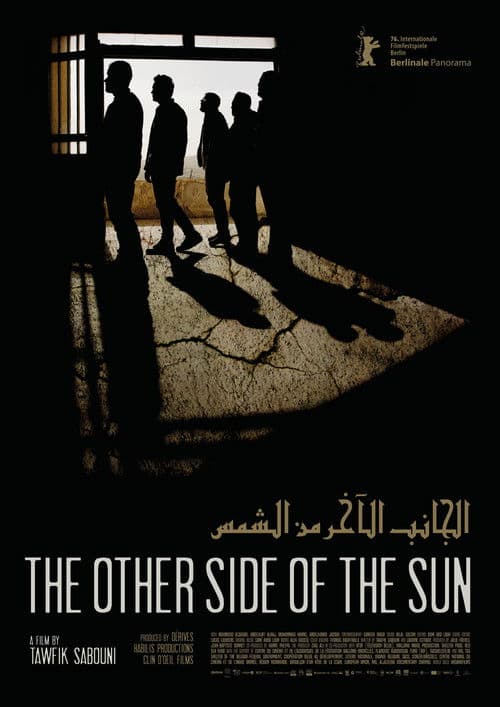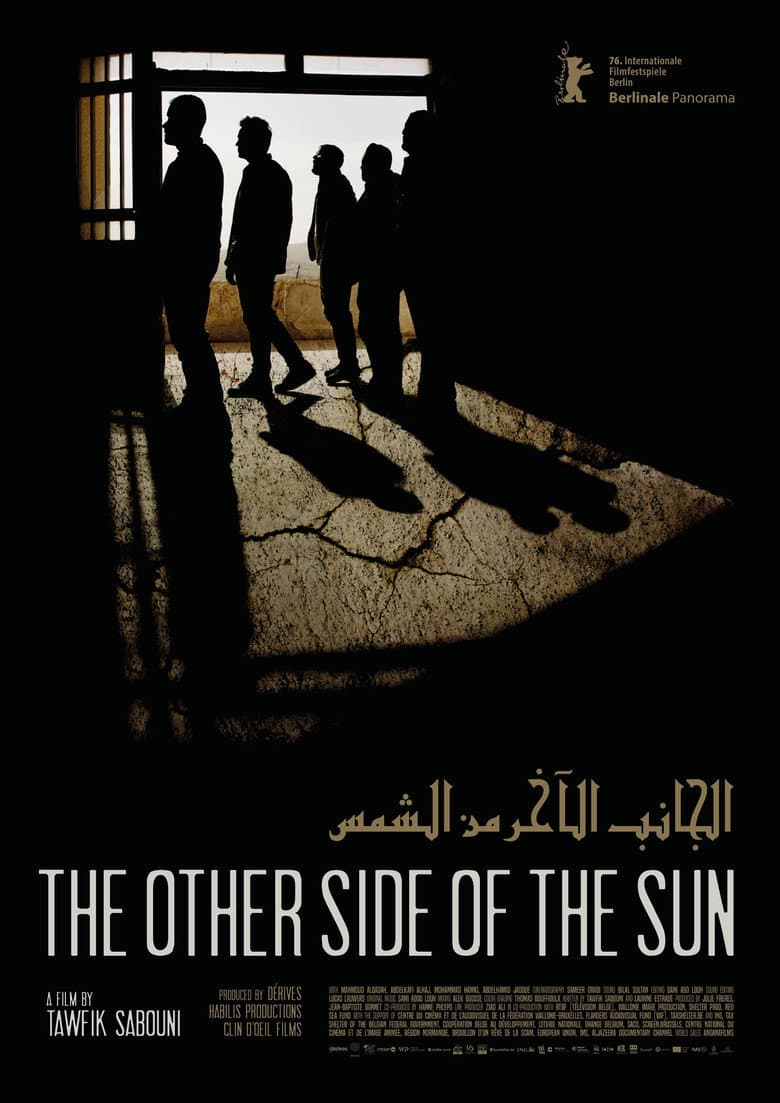
Syria has selected “The Other Side of the Sun,” a 90-minute documentary from director Tawfik Sabouni, as its entry for the Best International Feature Film category at the Academy Awards, while Icarus has landed the documentary feature submission for the United States.
The Syrian pick arrives with a subject that could hardly be more weighted. The film follows five survivors of torture who, in the aftermath of the Assad regime’s collapse, return to the notorious Saidnaya prison to reenact the abuse they endured while incarcerated there. According to the film’s official synopsis, the survivors use the reenactments to reclaim their voices and to bear witness on behalf of those who can no longer speak for themselves.
Sabouni directs the project, which runs 90 minutes and had a release date of Feb. 15, 2026. Its original language is Arabic, and it is classified as a documentary. No cast members have been publicly identified, and the film currently holds no rating on TMDb.
A Submission Rooted in Testimony
The Academy’s international feature race has increasingly made room for nonfiction, though documentaries remain a minority among most countries’ picks. Syria’s choice of “The Other Side of the Sun” places a work of witness-driven cinema at the center of its campaign rather than a narrative drama.
The premise is stark: former prisoners walking back into the facility where they were tortured, not to document its ruins in the abstract but to physically restage what happened to them. That approach raises questions the film itself will likely confront - about the ethics of reenactment, the reliability of memory under trauma, and what it means to perform suffering for a camera in a place where suffering was once enforced.
The title carries its own resonance. The phrase “the other side of the sun” suggests a reversal of light and shadow, a turn toward what was hidden. For a prison like Saidnaya, whose name became shorthand for disappearance and death during the Assad years, the act of returning after the regime’s fall is both a personal reckoning and a political statement.
Saidnaya, located north of Damascus, was long described by survivors and human rights organizations as a site of systematic abuse. The film’s release in February 2026, roughly a year and a half after the regime’s collapse, positions it as part of an early wave of cultural responses to that period. But the documentary’s focus, per its synopsis, stays on the five individuals and their decision to speak - not on the state that once silenced them.
Icarus Takes the U.S. Documentary Slot
On the American side, Icarus has been chosen as the U.S. documentary feature submission. The title shares a name with the 2017 Oscar-winning film about the Russian doping scandal, but no details about this Icarus have been provided beyond its selection. Whether it is a new project, a re-release, or a different film altogether has not been clarified in the available information.
The pairing of the two submissions sets up an unusual dynamic. One is an Arabic-language documentary from Syria, centered on survivors of state torture. The other is a U.S. documentary entry whose subject matter remains unspecified. Both will now enter the Academy’s screening and voting process, where international feature and documentary feature are separate categories with distinct rules and committees.
What Happens Next
Syria’s submission of “The Other Side of the Sun” does not guarantee it a nomination. The international feature category requires films to meet eligibility criteria, including theatrical release requirements in their home country, and Academy members must watch a prescribed slate before voting in the category’s preliminary rounds. With no TMDb rating and no identified cast, the film enters the race with little commercial profile - a common position for documentaries from countries with limited film industries.
For Sabouni, the selection represents a significant moment. His film now becomes Syria’s official face in one of the Academy’s most closely watched races, and its subject matter ensures it will be discussed less as an awards contender than as a document of what happened at Saidnaya.
The Academy’s shortlists and nominations will unfold over the coming months. For now, Syria has made its statement, and it is a documentary that asks viewers to look directly at what survivors carried out of the prison with them.
Source: The Hollywood Reporter