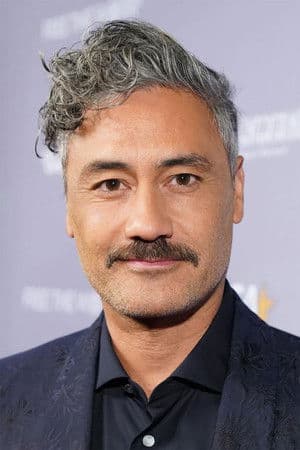
Taika Waititi has never been shy about sharing an opinion, and his latest one lands squarely on the subject dominating conversations across Hollywood: artificial intelligence. The filmmaker behind "Thor: Ragnarok," "Jojo Rabbit" and "Next Goal Wins" said the arrival of AI tools in moviemaking is "probably inevitable," but he made clear he sees little artistry in the way some people want to use them. Typing prompts into a machine to generate a film, he suggested, is "boring and lame."
The director's remarks add a prominent voice to an industry debate that has been building for years, touching on screenwriting, visual effects, animation and virtually every craft involved in getting a movie made. Waititi framed the technology's spread as something studios and creatives will likely have to reckon with rather than something that can simply be wished away. Where he drew his line was over the idea of substituting genuine filmmaking with prompt-driven output, a practice he dismissed in blunt terms.
That skepticism is notable coming from a filmmaker whose career has been defined by a highly personal style - loose, funny, unpredictable and deeply collaborative. Waititi's best-known work depends on improvisation, performance and the chemistry of people in a room together, qualities that do not translate neatly into a text box. His comments reflect a broader anxiety among writers and directors that the ease of generating content could be mistaken for the craft of making it.
Hollywood's labor unions have spent the past several years pressing for guardrails around generative AI, and the topic has surfaced repeatedly in contract negotiations with studios. The concern is not only over jobs but over credit, consent and the use of performers' likenesses. Waititi's framing - inevitable but uninspired - captures a middle position that has emerged in the industry: acknowledging the tools will be part of production pipelines while arguing they should serve filmmakers rather than replace them.
Waititi also has a busy slate of his own, including a long-gestating "Star Wars" project and other ventures, which keeps him closely tied to the studio system weighing these questions. His willingness to speak plainly about AI places him alongside other directors who have voiced unease about automation creeping into creative decision-making, even as some filmmakers experiment with the technology in limited ways for previsualization or post-production tasks.
For now, his message is less a call for a ban than a defense of the creative process. Movies, in his telling, are the product of effort, taste and human collaboration - not a shortcut typed into a prompt. Whether the rest of Hollywood heeds that warning remains an open question, but the argument is likely to keep echoing through soundstages and boardrooms for some time to come.
A Debate That Refuses to Go Away
The timing of Waititi's comments reflects how thoroughly AI has moved from a futurist talking point to a daily concern in production offices. Studios have been exploring generative tools for everything from storyboarding to marketing materials, while guilds have pushed for transparency about where and how those tools are used. Actors and writers have raised alarms about consent and compensation, and the debate has repeatedly threatened to stall contract talks.
Within that landscape, Waititi's position is less about rejecting technology outright and more about insisting on a distinction between assistance and authorship. Tools that help a filmmaker work faster or visualize an idea are one thing; tools that promise to skip the work of filmmaking altogether are another. His "boring and lame" verdict is aimed squarely at the latter, and it lands at a moment when the industry is trying to decide where that line sits.
Why His Voice Carries Weight
Waititi occupies an unusual place in the business. He moves between massive franchise assignments and small, idiosyncratic projects, which gives him credibility with both studio executives and independent-minded artists. He has also been an outspoken advocate for originality and for the kinds of stories that do not fit neatly into formulas. That track record makes his skepticism about prompt-based filmmaking harder to dismiss as nostalgia or fear.
His remarks are unlikely to settle the debate, and he did not pretend otherwise. Calling something inevitable is not the same as endorsing it, and Waititi's comments leave room for filmmakers to use new tools while still defending the craft. What he rejects is the idea that typing a request into a machine constitutes making a movie.
For an industry still working out how AI fits into its future, that may be the most useful contribution of the conversation: a reminder that technology can change how films are made without changing what makes them worth making.
Source: The Hollywood Reporter