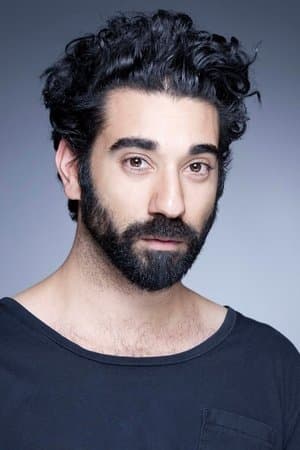
The Tallinn Black Nights Film Festival has locked in the lineups for two of its most closely watched sidebars, unveiling the titles that will compete in its main Competition strand and its First Features program. Among the names drawing early attention is Ray Panthaki, the British actor and producer whose move into directing has landed a slot in the debut-focused section. The announcement, made ahead of the festival's autumn edition, confirms Tallinn's continued role as one of the primary launchpads for new directing talent on the European circuit.
Panthaki is best known to audiences for a screen career that has spanned independent British film and high-profile television, and his transition behind the camera has been anticipated within industry circles for some time. His placement in First Features places him alongside a cohort of filmmakers making their inaugural feature-length work, a grouping that Tallinn has historically used to spotlight voices it expects to hear from again. The festival has not yet detailed how the debut will be positioned within the broader program, but selection alone marks a significant step for a first-time director.
A festival built on discovery
Tallinn Black Nights, known formally as PÖFF, has spent the better part of three decades establishing itself as a fixture on the fall festival calendar. What began as a modest regional event has grown into one of the largest film gatherings in Northern Europe and the only festival in the Baltic region to hold FIAPF-accredited competitive status. That accreditation matters: it places Tallinn in a tier of festivals whose main competitions are recognized by the international industry as legitimate launching grounds for world and international premieres.
The festival's structure reflects that ambition. Alongside its flagship Competition, it runs a sprawling network of sidebars covering everything from genre cinema to documentary, shorts, and experimental work. First Features sits within that architecture as a deliberately curated space, one that programmers have used to separate genuine debuts from the steady stream of second and third films that populate other sections. For a director like Panthaki, that distinction is meaningful - it signals that the selection was made on the basis of a career's first feature-length statement rather than on name recognition alone.
Why debut programs carry weight
Dedicated first-feature sections have become increasingly important to the festival ecosystem over the past decade. They serve a dual purpose: they give programmers a clean framework for identifying new talent, and they give distributors and sales agents a manageable shortlist to work from. A director's debut is often the cheapest moment to acquire their work, and festivals that aggregate debuts into a single program make that scouting process more efficient.
Tallinn's approach has been to treat First Features not as a lesser tier but as a competitive space in its own right, with its own jury and awards. That positioning has helped alumni of the section move on to larger festivals and, in some cases, to theatrical distribution deals secured on the ground in Estonia. The festival's timing - late November, after the major autumn markets have concluded - means it functions partly as a final significant stop for films still seeking buyers before the year closes.
The Competition strand and its function
The main Competition at Tallinn typically skews toward international and world premieres, with a preference for directors from regions that receive less attention from the larger Western European festivals. Over the years the section has become known for mixing established art-house names with relative unknowns, and for programming films that might otherwise struggle to find a foothold. Winning the top prize has, for several filmmakers, translated into increased visibility on the festival circuit and, occasionally, into theatrical releases in markets that would not have otherwise picked the film up.
This year's Competition lineup arrives at a moment when the festival, like most of its peers, is navigating a shifting landscape. Travel budgets for industry attendees have tightened, streaming platforms have grown more selective about the titles they acquire out of festivals, and the competition for premiere slots among filmmakers has intensified. Tallinn's response has been to lean further into its identity as a discovery festival rather than a red-carpet event, a strategy that has kept its industry attendance stable even as other mid-sized festivals have struggled.
What comes next
The full program, including screening times and the composition of the juries, is expected to be released closer to the festival's opening. For now, the two lineup announcements give the industry its first concrete signal about what Tallinn intends to champion this cycle. Panthaki's inclusion in First Features will likely draw press interest beyond the festival's usual trade coverage, given his profile as a performer - a dynamic that festival programmers generally welcome, since it directs attention to the wider debut slate around him.
Whether the film itself lives up to that attention will be answered in November. What is already clear is that Tallinn has once again positioned itself as a place where a first-time director can arrive unknown and leave with a career. Panthaki now has that opportunity, and the festival has another name to add to the list of actors who successfully stepped behind the camera.
Source: The Hollywood Reporter