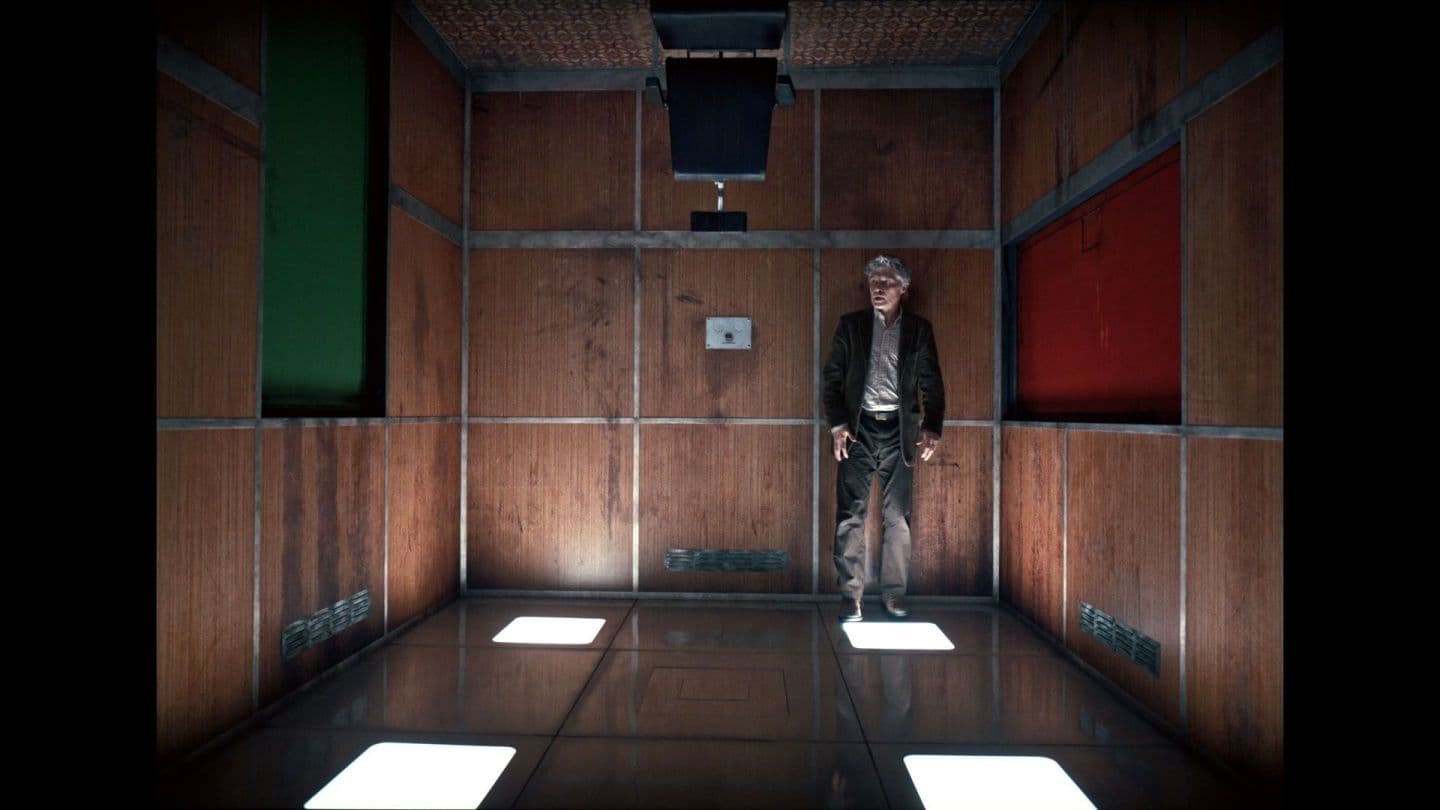
The Tallinn Black Nights Film Festival has pulled back the curtain on this year's Baltic Film Competition, a sidebar devoted exclusively to features and documentaries from Estonia, Latvia, and Lithuania. Organizers positioned the section as a showcase for a regional cinema that has quietly become one of the most distinctive voices in European film, even as it remains under-represented on the international festival circuit.
The lineup reflects the three countries' shared history and their divergent creative instincts. Estonia, the festival's home turf, brings the largest contingent, as it typically does. Latvia and Lithuania are represented by a smaller but carefully chosen slate. Together the selections lean toward intimate, character-driven storytelling rather than the genre spectacle that dominates many mainstream European festivals.
A Regional Focus With Global Ambitions
The Baltic Film Competition has become a calling card for Tallinn's wider identity. Unlike the festival's main competition, which draws premieres from across the globe, this sidebar is strictly homegrown - a deliberate choice that festival programmers have described as a way of building a launchpad for filmmakers who might otherwise struggle to find international distribution.
That strategy has paid dividends. In recent years, several titles that first surfaced in the Baltic strand have gone on to screen at festivals in Western Europe, North America, and Asia. For directors working in small national industries with limited production budgets, the exposure can be transformative. A single high-profile festival slot often determines whether a film secures a foreign sales agent or disappears after a short domestic run.
The competition also functions as a barometer for the region's film culture. Estonian cinema has long been associated with a spare, contemplative visual style and a taste for the absurd. Latvian filmmaking has gravitated toward documentary and social observation. Lithuania, meanwhile, has produced a steady stream of directors unafraid of dark humor and uncomfortable historical reckoning. This year's selection appears to honor all three traditions without reducing any of them to a stereotype.
What the Selection Says About the Region
Several threads run through the program. Family ties and their unraveling appear repeatedly, as do stories set in rural or post-industrial landscapes where economic decline has reshaped everyday life. Migration and the legacy of Soviet occupation also surface, though filmmakers here tend to treat such subjects obliquely rather than as explicit political statements.
The documentary entries may prove the most talked-about. Baltic nonfiction has earned a strong reputation for patient, immersive filmmaking that trusts the audience to draw its own conclusions. Festivals in Amsterdam, Copenhagen, and elsewhere have increasingly looked to the region for work that sidesteps the talking-head conventions of television journalism.
For Tallinn, the Baltic sidebar is also a statement of intent. The festival has grown into one of Northern Europe's largest, and its organizers have been explicit about wanting to be more than a stopover on the awards-season trail. Devoting prominent space to filmmakers from three countries with a combined population smaller than many single European cities is an unusual gamble. It is also, arguably, the festival's clearest point of distinction.
Industry observers will be watching how many of this year's titles travel beyond the Baltic. Sales agents and streaming programmers routinely scout Tallinn, and a strong reception there can open doors that domestic releases alone cannot. Whether the strand produces another breakout remains to be seen, but the intent behind it is unambiguous.
The Bigger Picture
The announcement lands at a moment of real uncertainty for European arthouse cinema. Production costs have climbed, public funding has tightened in several countries, and theatrical attendance for subtitled films remains fragile. Smaller national industries feel those pressures most acutely. A dedicated competition like Tallinn's cannot solve structural problems, but it can concentrate attention at a moment when attention is scarce.
It also matters for audiences. Baltic cinema rarely reaches screens outside the region, and when it does, it is often filtered through the lens of history or politics rather than treated as cinema in its own right. A competitive section that judges these films on craft and storytelling, rather than on their usefulness as historical documents, is a meaningful corrective.
Tallinn has built its reputation on discovery. The Baltic Film Competition is where that promise is tested most directly - against films made close to home, by filmmakers who know the festival intimately and have everything to gain from it. If the section continues to deliver, it will keep earning its place at the center of the program rather than the margins.
*Source: [The Hollywood Reporter](https://www.hollywoodreporter.com/movies/movie-news/poff-2026-tallinn-black-nights-baltic-film-competition-1236729636/)*