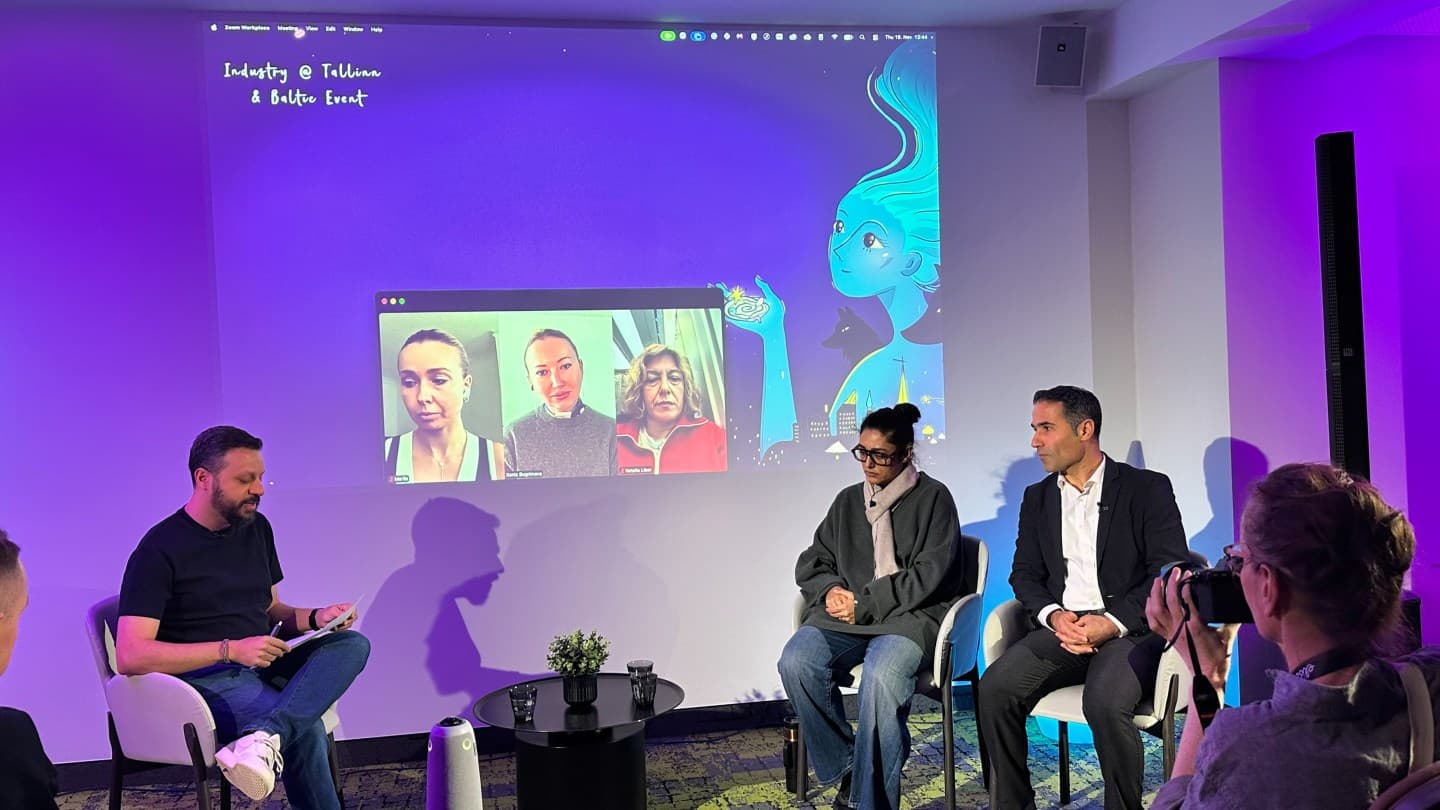
The debate over how cinema portrays women - and how faithfully it treats the past - took center stage at the Tallinn Black Nights Film Festival this week, as filmmakers and industry figures gathered in the Estonian capital against the backdrop of a wider global crisis. Panelists argued that Hollywood continues to reshape historical events for the screen, and that audiences are increasingly demanding female characters who feel lived-in rather than symbolic. The conversations unfolded at a festival known for championing arthouse voices, giving the discussion a pointed contrast with the commercial priorities of the studios.
A Recurring Charge: History as Raw Material
The claim that Hollywood rewrites history is hardly new, but at Tallinn it was pressed with fresh urgency. Speakers described a familiar pattern in which real women are either compressed into archetypes or written out of narratives altogether, their complexity sacrificed for a cleaner dramatic arc. Historical dramas came in for particular scrutiny, with panelists noting that period films often dress contemporary assumptions in old costumes - casting heroines as proto-feminists or reducing them to romantic counterweights.
The critique extended beyond individual films to the machinery behind them. Development processes, financing structures, and marketing logic all push toward recognizable formulas, participants suggested, and those formulas tend to flatten female experience. The result, they argued, is a paradox: an industry that markets itself as progressive while repeatedly returning to the same narrow templates.
What "Authentic" Means to Filmmakers
Much of the discussion turned on the slippery word "authentic." For some panelists, it meant letting female characters hold contradictions - ambition and doubt, cruelty and tenderness - without the script rushing to redeem them. For others, authenticity was a matter of authorship: who gets to write, direct, and shape stories about women's lives. The two concerns are linked, speakers noted, because a character can only be as textured as the people who create her.
Festival attendees also heard calls for specificity over universality. A female protagonist need not stand for all women, one argument went; the pressure to be representative is itself a constraint that male characters rarely face. Filmmakers described struggling against notes that asked them to soften difficult women or to add explanations for behavior that would be left unexamined in a male lead. Those interventions, they said, accumulate into a kind of narrative policing.
Cinema Under a Global Shadow
The Tallinn debates did not take place in a vacuum. The festival's programming and public discussions repeatedly circled back to the wider global crisis, and speakers acknowledged that existential pressures - economic instability, conflict, and the strain on public funding for the arts - shape what gets made and who gets to make it. When budgets tighten, risk aversion grows, and risk aversion is precisely what pushes storytellers toward proven formulas rather than difficult, particular female characters.
Some participants framed the moment as an opportunity. Crisis, they suggested, exposes which commitments are genuine and which are marketing. Studios that tout female-led projects while sidelining women directors and writers will find those contradictions harder to hide as resources shrink. Independent cinema, meanwhile, has long served as a laboratory for the kinds of portraits the panelists championed - films that treat women as subjects rather than themes.
Festivals as a Counterweight
The setting itself carried meaning. Tallinn Black Nights has built a reputation as a launchpad for international and discovery cinema, and its audiences are accustomed to work that resists tidy resolutions. Organizers and panelists alike argued that festivals serve as a necessary counterweight to studio gatekeeping, offering space for stories that might otherwise struggle to find financing or distribution.
Yet the conversation was not simply celebratory. Speakers warned that festival ecosystems are themselves vulnerable to the same economic pressures, and that visibility at a showcase does not guarantee a film's passage into the wider market. The gap between acclaim and access remains a persistent frustration for filmmakers whose work challenges conventions.
The Road Beyond the Panel
What emerged from Tallinn was less a set of resolutions than a shared diagnosis. The demand for authentic female characters is not a plea for better representation in the abstract; it is a demand for craft, for specificity, and for the willingness to let women on screen be as complicated as the audience watching them. The critique of Hollywood's historical revisions belongs to the same argument: when stories about the past are simplified, the people who get simplified first are usually the ones with the least power to object.
Whether the industry listens remains an open question. Panel discussions rarely change release slates, and the forces shaping production are larger than any single festival. But the Tallinn debates added a clear voice to a conversation that shows no sign of fading - one that insists cinema's imagination of women, past and present, is a measure of its honesty.
Source: The Hollywood Reporter